News Summary
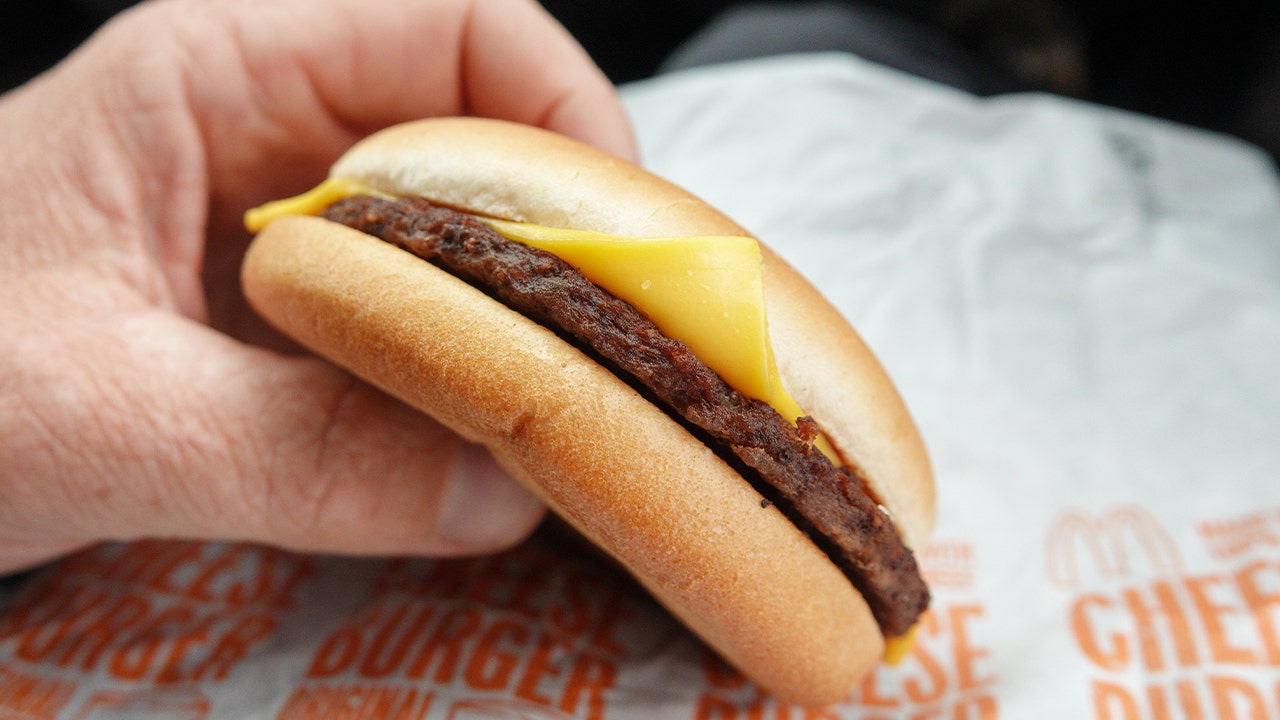
YouGov's "Best Bites 2026: U.S. Restaurant Brand Rankings" surveyed U.S. adults about restaurant consideration, food quality and dining preferences. McDonald's was the fast-food brand most Americans said they would consider when purchasing food or drink (39.6%), followed by Chick-fil-A (35.5%) and Wendy's (33.2%). McDonald's led the french fry category (39.2%) but ranked fifth for favorite burger (8.7%); Five Guys was chosen as America's favorite burger (15.5%), followed by Burger King (15%) and In‑N‑Out (12.1%). Chick-fil-A was named the top chicken spot (25.3%) and was the top-ranked fast-food brand on quality, while McDonald's did not place in the top 10 for overall quality. Wendy's ranked highest for value (21.6%), with McDonald's at eighth for value (12.5%). The report also found Subway led for deli sandwiches (22.9%) and Taco Bell for tacos/burritos (30.3%). YouGov reported that about two-thirds of Americans buy from fast-food restaurants at least once a month and 30% eat fast food at least weekly; among weekly fast-food consumers, 55% are male and 51% are under 45. The survey noted value and discounts are primary drivers of weekly fast-food visits, with customization more important to women and features like 24-hour service appealing more to men. The Fox News article also mentions renewed criticism of McDonald's CEO Chris Kempczinski for eating on camera and that Fox News reached out to McDonald's for comment.
Biblical Reflection
This article reports consumer preferences rather than public policy or safety issues; its core claim — McDonald's is the most-considered fast-food brand despite not topping burger taste rankings — is plausible given the survey results but depends on survey wording, sampling, and metrics (consideration vs. quality). The piece blends straightforward data with human-interest color (criticism of McDonald's CEO eating on camera), which can shift attention from substantive causes behind customer choices: convenience, price, menu breadth, and signature items like fries. From a Christian perspective, this story invites reflection on how consumer culture prizes convenience and brand identity. The coverage does not explore workers' conditions, supply-chain ethics, nutritional impacts, or the communities these chains serve, all of which matter to neighbor-love and stewardship. Christians should recognize the truth that popularity does not equal moral goodness or superior quality; we should also be wary of letting brands shape our identity or values. At the same time, fast-food chains provide employment, accessible food for many families, and communal meeting places — realities that call for mercy, fairness, and practical concern for employees, suppliers, and customers. When responding, aim for humility about cultural trends, courage to ask ethical questions behind consumption, and mercy toward the people whose livelihoods are tied to these businesses.
Scripture in context
This outlook does not yet include contextual Scripture citations. Do not treat a general biblical theme as an exegetical conclusion.
Faithful Response
No prescribed response is offered. Consider the reflection prompts below in your own church context.
Reflection and Discussion
- 1How might 'consideration' (which brand comes to mind) differ from measures of quality, ethics, or community impact, and which should guide our judgments?
- 2What information is missing from consumer surveys — such as sample details, margins of error, labor practices, or nutritional effects — that would change how we interpret these rankings?
- 3In what ways do brand loyalties shape personal and communal priorities, and how should Christians weigh convenience against stewardship and care for neighbors?
Sources
Reporting links are evidence inputs; Sanctuary News' biblical reflection is commentary.
This outlook currently relies on fewer than two linked sources. Broaden verification before teaching from it.
- 1.Original reportprimary