News Summary
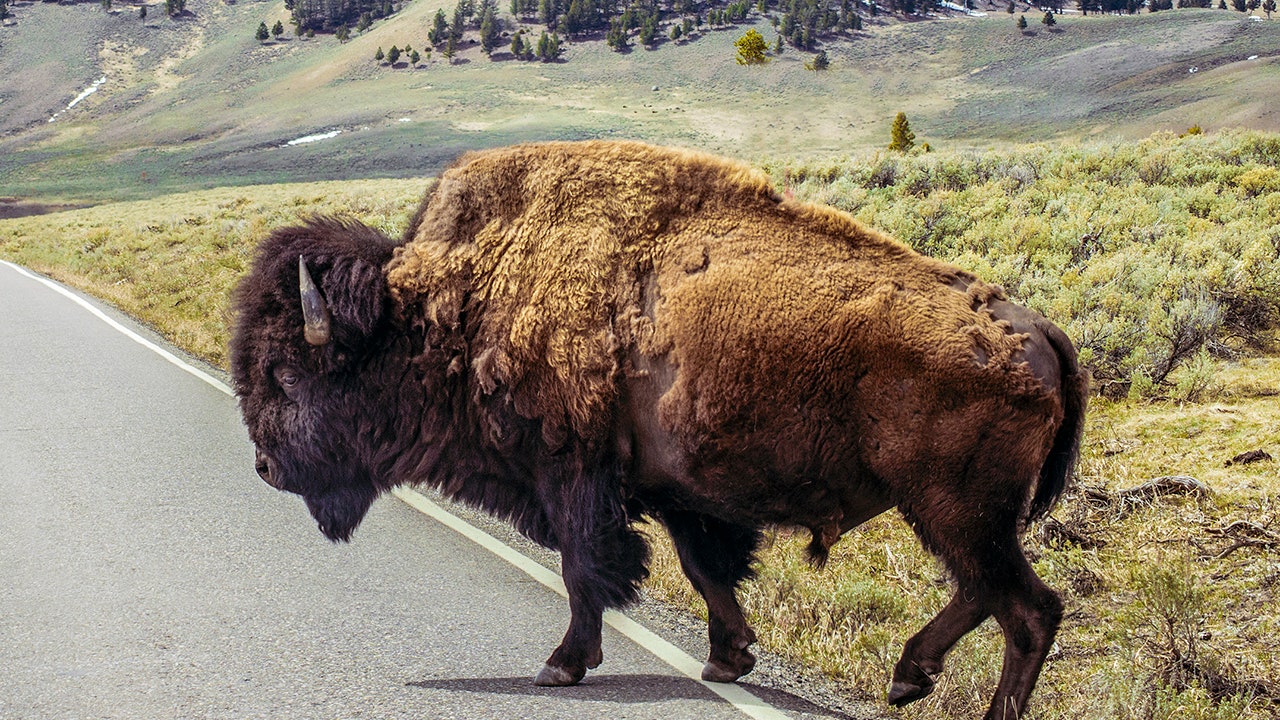
A bull bison at a Yellowstone National Park campground charged and tossed visitor Carl Isom-McDaniel into the air; the encounter left him with multiple broken bones requiring surgery. A wildlife photographer who filmed the event said he stopped recording to help haze the bison away and render aid; the photographer said neither the grandfather nor his grandson appeared to have provoked the animal. Park officials reviewed the incident and announced they will take no management action (the bison will not be euthanized). Reporters noted the bison had earlier charged a group of teenagers, that bull bison can be especially aggressive during mating season, and reminded visitors to stay at least 25 yards from bison. The incident drew wide public attention through a viral video and online discussion about visitor behavior and animal aggression.
Biblical Reflection
The article reports a traumatic event plainly but leans into viral shock by highlighting the dramatic footage and public reactions. Factually, the key claims are straightforward: a serious injury occurred, the park opted against euthanizing the animal, and witnesses intervened. Missing from most viral coverage — and largely absent here — is deeper context about how close the people were to the animal, what warning signage or staff presence existed, and the criteria park managers use to decide when to remove or euthanize wildlife. From a Christian pastoral perspective, this story invites several responses: hold both compassion and sober judgment—compassion for the injured man and his family, and compassion for the animal as part of God’s creation; pursue truth by seeking fuller context before assigning blame; practice humility about the limits of human control over wild creatures; and pursue neighbor-love by supporting measures that prevent future harm (education, clear warnings, and respectful distance). The coverage’s viral framing can fuel fear and a simplistic 'animal as villain' narrative; a Christlike response resists demonizing creation and instead calls for stewardship, careful truth-telling, and care for both people and animals.
Scripture in context
This outlook does not yet include contextual Scripture citations. Do not treat a general biblical theme as an exegetical conclusion.
Faithful Response
No prescribed response is offered. Consider the reflection prompts below in your own church context.
Reflection and Discussion
- 1Does the coverage emphasize sensational footage over the fuller facts about visitor behavior, park warnings, or wildlife management criteria?
- 2How should Christians balance compassion for an injured person with care for wild animals that are part of God’s creation?
- 3What assumptions about human entitlement to close encounters with wildlife does this story reveal, and how should those shape our public policies and personal choices?
Sources
Reporting links are evidence inputs; Sanctuary News' biblical reflection is commentary.
This outlook currently relies on fewer than two linked sources. Broaden verification before teaching from it.
- 1.Original reportprimary