News Summary
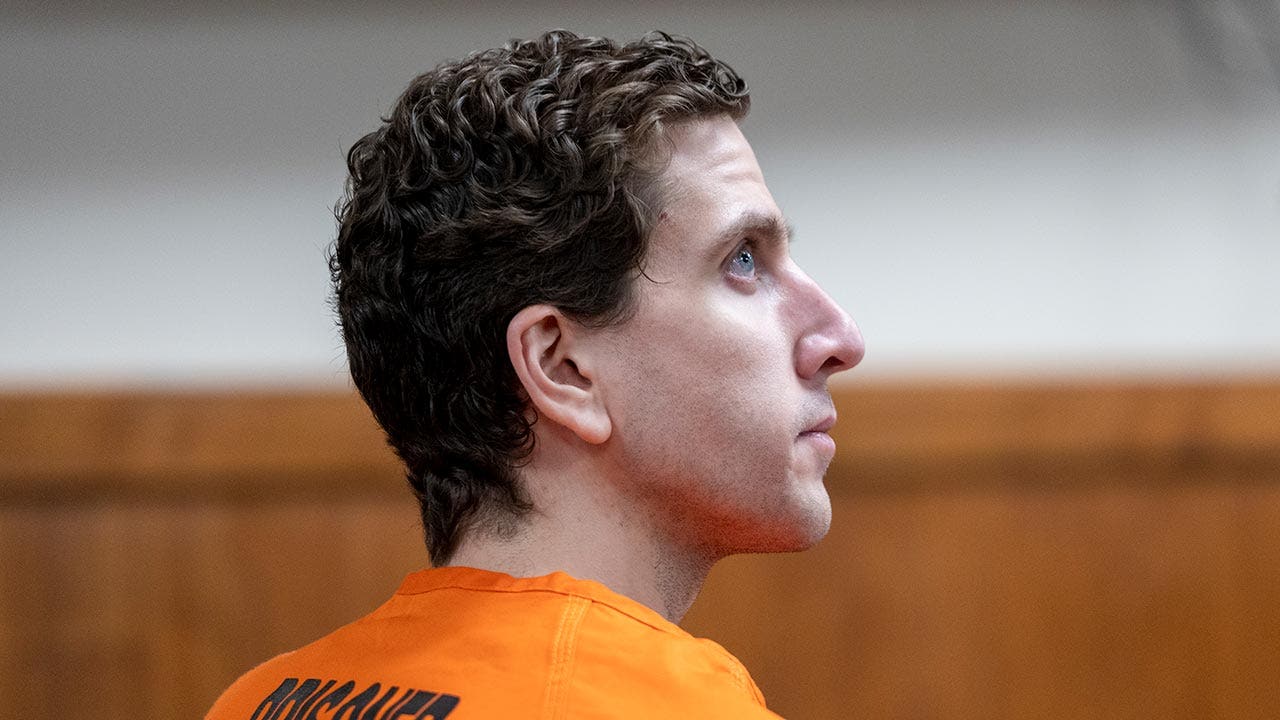
Internal emails released by Washington State University show that WSU Police personnel identified a white 2015 Hyundai Elantra linked to Bryan Kohberger shortly after receiving information about the possible suspect vehicle on November 28, 2022. In a January 5, 2023 email to WSU PD staff, then-chief Gary Jenkins stated officers located the vehicle about 16 hours after receiving the tip and said this occurred earlier than the timeline presented in the public arrest-warrant affidavit. Jenkins praised Officer Daniel Tiengo and Sergeant Curtis James Whitman for locating the vehicle and encouraged staff to use the episode to improve the department's public reputation. Separate emails released via public-records requests include a November 27, 2022 message from Moscow Police Department Detective Corporal Brett Payne instructing local agencies not to stop, detain, or contact the driver of that vehicle unless in a life-or-death emergency. Bryan Kohberger was arrested December 30, 2022; he later pleaded guilty on July 2, 2025, in a deal removing the death penalty and was sentenced to consecutive life terms without parole for four counts of first-degree murder and one count of felony burglary. The four victims were found dead November 13, 2022, at a house in Moscow, Idaho.
Biblical Reflection
A Christian reading should hold multiple convictions at once: a desire for truth and transparency, a commitment to justice for victims, and caution about institutional self-promotion. The emails add factual detail to the investigatory timeline and may correct or complicate how official documents were understood. At the same time, internal praise and public statements from officials can reflect legitimate morale-building after trauma, but they also shape public perception and may be selective in emphasis. Christians should be alert to two temptations in coverage of violent crime: (1) reducing suffering to a public relations victory for institutions, and (2) treating procedural revelations as a substitute for deeper accountability. Scripture calls the community to seek justice, speak truth, and mourn with those who mourn (Romans 12:15; Micah 6:8). That means valuing accurate timelines and transparency while remembering the human cost behind procedural details. It also means resisting narratives that turn law enforcement success into hero-worship or that weaponize partial documents to absolve or condemn without full context. Pray for wise, humble investigators, for clear and honest public communication, and for care for victims' families. Finally, recognize that public records and media framing reflect particular priorities—ask whose reputation benefits and whose pain might be sidelined.
Scripture in context
This outlook does not yet include contextual Scripture citations. Do not treat a general biblical theme as an exegetical conclusion.
Faithful Response
No prescribed response is offered. Consider the reflection prompts below in your own church context.
Reflection and Discussion
- 1Whose interests are advanced when internal investigatory details are highlighted or corrected publicly—victims, investigators, institutional reputation, or media—and how should that affect how you evaluate the coverage?
- 2Does the article present a full context (procedural constraints, safety considerations, timing of information) or selective details that could change how you view the integrity of the investigation?
- 3How does a Christian commitment to justice and compassion shape the balance between valuing police competence and holding institutions accountable to victims and the truth?
Sources
Reporting links are evidence inputs; Sanctuary News' biblical reflection is commentary.
This outlook currently relies on fewer than two linked sources. Broaden verification before teaching from it.
- 1.Original reportprimary