News Summary
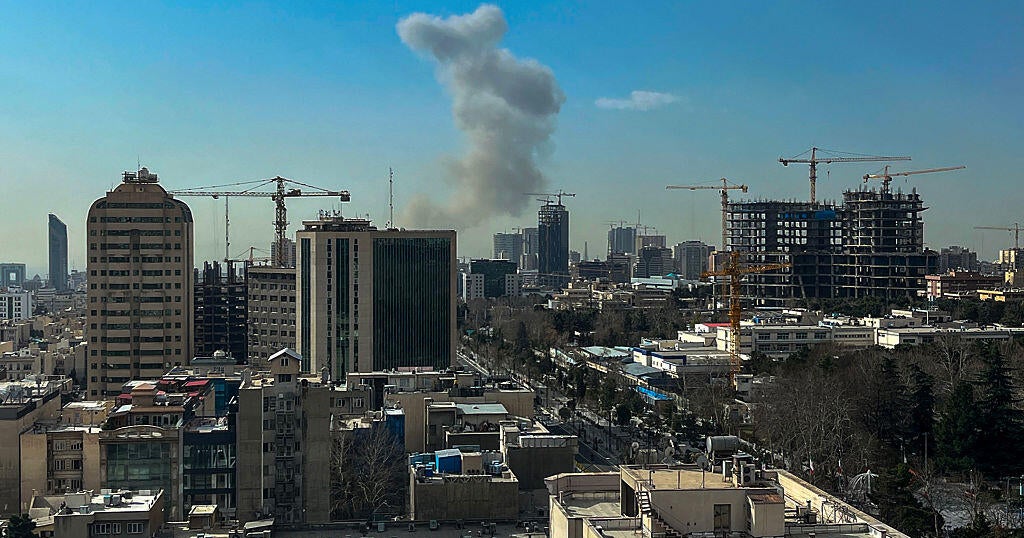
The article reports on the global reaction to recent joint military attacks by the U.S. and Israel on Iran. Key international actors—including the European Union, United Nations, Russia, the United Kingdom, France, Canada, Oman, Kuwait, and Qatar—expressed serious concern about the potential for a wider regional war and humanitarian disaster. The EU and UN emphasized the importance of nuclear non-proliferation, diplomatic negotiations, and the protection of civilians under international law. Russia strongly condemned the attacks, warning of escalating disaster. Western allies, while critical of Iran's nuclear ambitions, urged restraint and a return to diplomacy. Several Middle Eastern states, including Oman and Qatar, lamented the breakdown of negotiations and called for immediate de-escalation and dialogue. The UN Security Council convened an emergency session in response to the crisis.
Biblical Reflection
From a biblical perspective, this news story reflects the ongoing brokenness and conflict in our fallen world. God's Word calls us to pursue peace, seek justice, and protect the vulnerable—values that are clearly at risk in this situation. The warnings and calls for restraint from world leaders echo the biblical mandate to be peacemakers (Matthew 5:9) and to avoid the escalation of violence (Romans 12:18). The suffering of civilians and the threat of wider war highlight the tragic consequences of sin and human pride. While governments wrestle with justice and security, Christians are reminded that true peace and reconciliation come from Christ, not through force or retaliation. We are urged to pray for wisdom for leaders, protection for innocents, and for hearts to turn toward dialogue, humility, and forgiveness. The story challenges us to long for the day when swords are turned into plowshares (Isaiah 2:4), and to do what we can, in our own spheres, to be agents of peace and reconciliation.
Scripture in context
This outlook does not yet include contextual Scripture citations. Do not treat a general biblical theme as an exegetical conclusion.
Faithful Response
No prescribed response is offered. Consider the reflection prompts below in your own church context.
Reflection and Discussion
- 1How can you be a peacemaker in your own relationships and community, even when conflict seems inevitable?
- 2What does it look like to trust God with the outcomes of global events that feel beyond your control?
- 3How might you pray specifically for leaders and civilians affected by violence and war in the Middle East?
Sources
Reporting links are evidence inputs; Sanctuary News' biblical reflection is commentary.
This outlook currently relies on fewer than two linked sources. Broaden verification before teaching from it.
- 1.Original reportprimary