News Summary
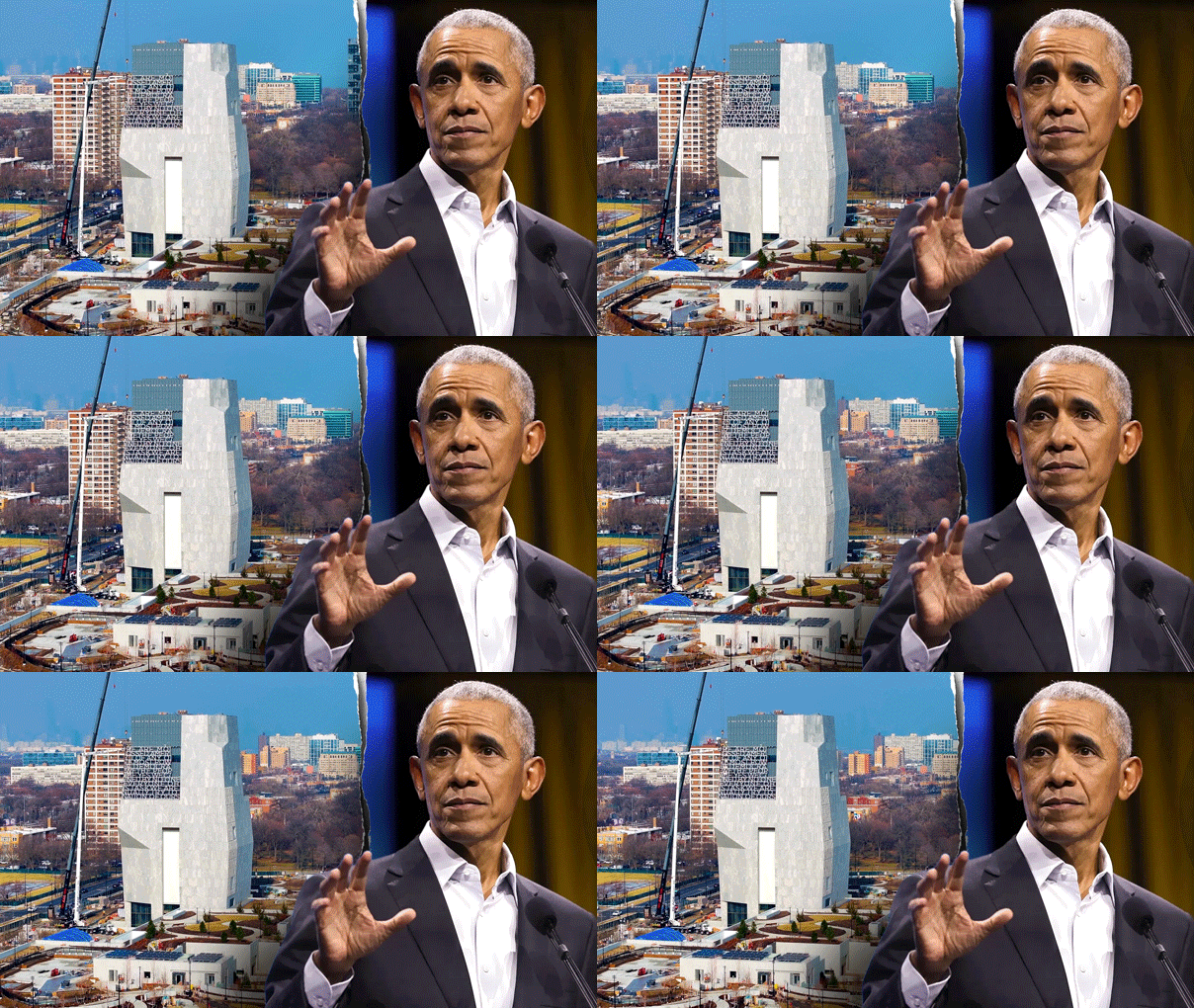
Tenants of the Chaney Braggs Apartments in Woodlawn, Chicago, have organized a tenant union and held a rally to resist possible displacement and rent increases they say are being driven by development pressure around the newly built Obama Presidential Center. A California-based investor is reportedly seeking to buy the building and may renovate or demolish it; tenants say they have been offered $2,000 per household to move out, which they consider insufficient given rising local rents. Many residents pay $700–$800 monthly and some have lived in the building for decades. The building was reportedly once owned by a nonprofit focused on affordable housing but has since lost those protections. Tenants say prior landlord abandonment forced them to organize around maintenance and services, and now the same network is mobilizing to resist market-driven displacement. No sale has been finalized, and residents say they are awaiting responses from city and state officials. The story also notes broader debate around the Obama Presidential Center: proponents promise jobs and investment while critics warn of gentrification and rising public infrastructure costs tied to the project.
Biblical Reflection
Viewed through Scripture and Christian ethics, this story raises familiar moral themes: the dignity of the poor, the call to protect vulnerable neighbors, and the need for honest stewardship of communal resources. The pressures described — long-term residents at risk of displacement as development reshapes a neighborhood — align with biblical concerns about economic injustice and the exploitation of the poor (see Isaiah 58; Proverbs). Christians are called both to welcome investment that genuinely benefits communities and to critique systems that reward profit at the expense of human flourishing. Organizing by tenants to preserve affordable housing is a form of neighbor-love and collective care that Scripture commends when it seeks justice and protection for the weak (Micah 6:8; James 1:27). At the same time, believers must also hold public and private actors accountable: promises of community benefit should be matched by transparent stewardship of public funds and concrete protections (e.g., affordable-housing covenants, relocation assistance that reflects local market realities). The public cost elements mentioned in the article (infrastructure spending) heighten the scriptural imperative for transparency and justice — public investment should not subsidize displacement. Practically, Christian response could include advocacy for policy protections, compassionate direct support for affected families, and insistence that institutions framing themselves as community gifts actually enable the long-term stability of those who live there. Finally, the story warns against a gospel of prestige or image that sidelines the poor; Jesus repeatedly identifies himself with the marginalized (Matthew 25) and commands the church to do likewise.
Scripture in context
This outlook does not yet include contextual Scripture citations. Do not treat a general biblical theme as an exegetical conclusion.
Faithful Response
No prescribed response is offered. Consider the reflection prompts below in your own church context.
Reflection and Discussion
- 1Who in your community bears the cost when new development arrives, and how can you practically stand with them?
- 2Are there local policies or leaders you could respectfully engage to ask for greater protections (affordable-housing covenants, adequate relocation assistance, transparency on public spending)?
- 3How can your congregation reflect Micah 6:8 in both advocacy and direct care for neighbors facing displacement?
Sources
Reporting links are evidence inputs; Sanctuary News' biblical reflection is commentary.
This outlook currently relies on fewer than two linked sources. Broaden verification before teaching from it.
- 1.Original reportprimary