News Summary
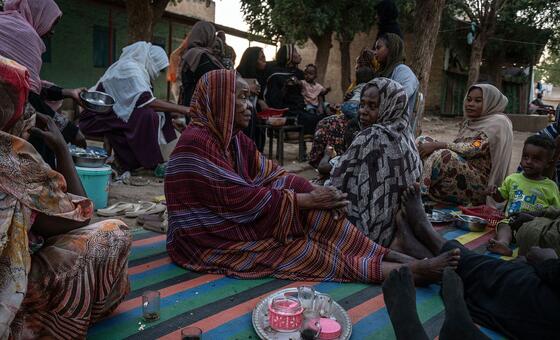
Reported facts: A UN News piece reports that in El Obeid, Sudan, women and girls face a choice when collecting water: risk drone strikes if they go in daylight, or risk sexual assault if they wait until night. The article presents this as an ongoing protection problem. Attributed claims: The article attributes the danger of drone strikes and the occurrence of rape as risks faced by civilians in El Obeid; the original UN News item is the sole supplied source. Uncertainty: The report does not specify who is operating drones, the frequency or scale of strikes or assaults, the time period covered, casualty figures, or responses from authorities or humanitarian agencies.
Source and Framing Analysis
The supplied report is brief and framed around a sharp moral dilemma to emphasize civilian vulnerability. Material uncertainties that affect the story include the absence of named perpetrators, lack of statistics or victim counts, and no quoted local or humanitarian sources in the supplied text. That limited sourcing increases the need for corroboration before drawing firm conclusions about patterns, responsibility, or appropriate policy responses.
Biblical Reflection
This report highlights a tragic intersection of armed conflict, militarized technology, and gender-based violence that strips vulnerable people of basic safety and dignity. The core moral claims are clear and urgent: civilians lack safe access to water, and women and girls face sexual violence as a direct consequence. Christians should receive this report with sorrow for the suffering described, with a prayerful impulse toward justice and concrete help for those harmed.
At the same time, the article contains limited detail about actors, scale, and timing. That scarcity of detail does not diminish the moral urgency, but it does caution us against drawing firm conclusions about responsibility or policy from this single short report. Christian wisdom asks both for compassionate solidarity with victims and for careful truth-seeking about causes and remedies so our responses are both just and effective.
Practically, the Christian response should combine lament, advocacy, and support for trustworthy humanitarian actors. We must name the harm (the denial of safe water and the threat of sexual violence), pray and lament honestly, and seek ways to protect and restore dignity to those affected — while insisting on reliable information and accountability so Christian advocacy addresses real needs and does not inflame further harm.
Scripture in context
- 1Isaiah 1:17 — Isaiah addresses a community whose religious ritual is disconnected from justice and care for the vulnerable; the prophet urges concrete action to defend the oppressed and seek justice. — The passage calls Christians to move beyond pious words to concrete defense of those harmed — advocating for safe access to necessities and protection from violence.
- 2Matthew 25:31–46 — In a judgment scene, Jesus identifies himself with hungry, thirsty, naked, sick, and imprisoned persons and commends those who care for them. — This challenges believers to treat humanitarian need and protection as primary Christian responsibilities, prompting practical aid and advocacy for people denied basic safety.
Faithful Response
Pray regularly and specifically for victims, aid workers, and local communities in El Obeid.
Give to vetted humanitarian organizations providing protection, water, and trauma-informed care in Sudan and surrounding regions.
Raise careful awareness in your church or community using verified facts and reputable sources, avoiding sensational or unverified claims.
Advocate with policymakers and church networks for humanitarian access and protection measures for civilians, especially women and girls.
Reflection and Discussion
- 1How does this report challenge our assumptions about who is safe in conflict zones, and where should our compassion and advocacy be directed?
- 2In what ways must Christians balance urgent moral concern with careful verification before naming perpetrators or prescribing political solutions?
- 3How should the church prioritize resources and prayer when basic services like water become sites of danger and violence?
Sources
Reporting links are evidence inputs; Sanctuary News' biblical reflection is commentary.
This outlook currently relies on fewer than two linked sources. Broaden verification before teaching from it.
Download source notes