News Summary
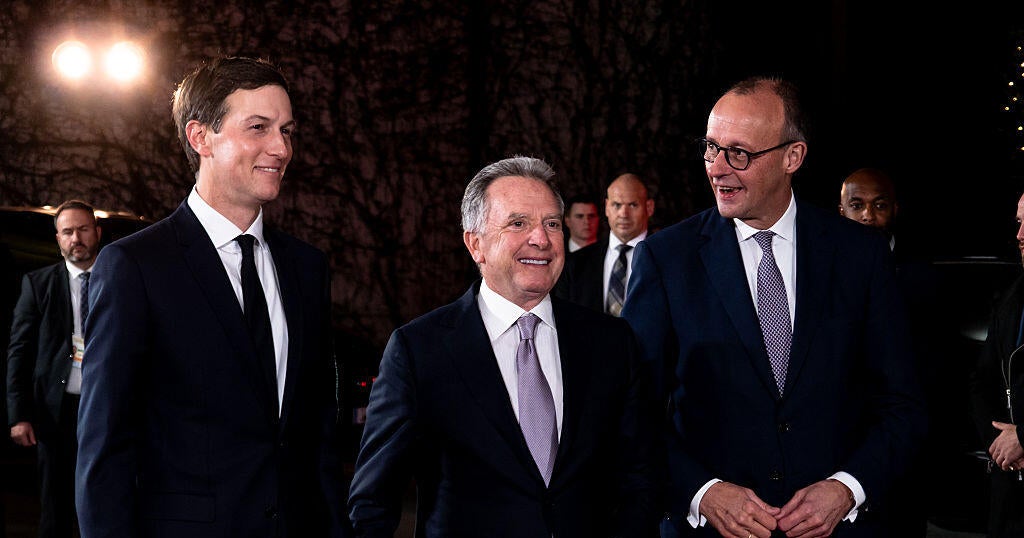
The article reports on a high-level diplomatic meeting planned in Miami between a Kremlin envoy, U.S. officials, and associates of former President Trump to discuss an American proposal for ending the ongoing war in Ukraine. Kirill Dmitriev, representing Russia, is to meet with Steve Witkoff (Trump's envoy) and Jared Kushner after similar discussions took place in Berlin with Ukrainian and European officials. The talks focus on security guarantees for Ukraine, possible territorial concessions, and other elements of the U.S.-drafted peace plan. The article also notes that Witkoff will meet separately with officials from Qatar, Egypt, and Turkey regarding the next stage of a Gaza peace plan. The diplomatic efforts face significant obstacles, including Russia’s demands for recognition of its territorial gains and Ukraine’s insistence on sovereignty and security, possibly without NATO membership if comparable guarantees are provided. Meanwhile, both Russia and Ukraine continue to inflict and suffer significant military and civilian casualties from ongoing drone attacks. The piece highlights the complicated and tense process as the U.S. tries to broker peace amidst conflicting demands and ongoing violence.
Biblical Reflection
Through the lens of Scripture, these peace efforts reflect both the hope and the brokenness of our world. The pursuit of peace and reconciliation is deeply aligned with biblical teaching: "Blessed are the peacemakers, for they shall be called sons of God" (Matthew 5:9). Yet, the realities of negotiation—demands for territory, security guarantees, and ongoing violence—reveal human pride, mistrust, and the tragic consequences of war. The Lord calls us to seek justice and mercy (Micah 6:8), to love our enemies, and to pray for those who persecute us (Matthew 5:44). True peace—shalom—requires more than the cessation of hostilities; it requires repentance, forgiveness, and a commitment to the dignity of all people. The political maneuvering here often prioritizes power and self-interest over these gospel values. Christians should pray for leaders to be guided by wisdom, humility, and a genuine desire for reconciliation, that peace would not be merely an absence of war but a reflection of God’s justice and love.
Scripture in context
This outlook does not yet include contextual Scripture citations. Do not treat a general biblical theme as an exegetical conclusion.
Faithful Response
No prescribed response is offered. Consider the reflection prompts below in your own church context.
Reflection and Discussion
- 1How do my prayers for peace reflect both a desire for justice and a spirit of forgiveness?
- 2In what ways am I tempted to prioritize self-interest over the well-being of others when I consider conflicts, whether personal or global?
- 3How can I be a peacemaker in my own context, following the example of Christ?
Sources
Reporting links are evidence inputs; Sanctuary News' biblical reflection is commentary.
This outlook currently relies on fewer than two linked sources. Broaden verification before teaching from it.
- 1.Original reportprimary