News Summary
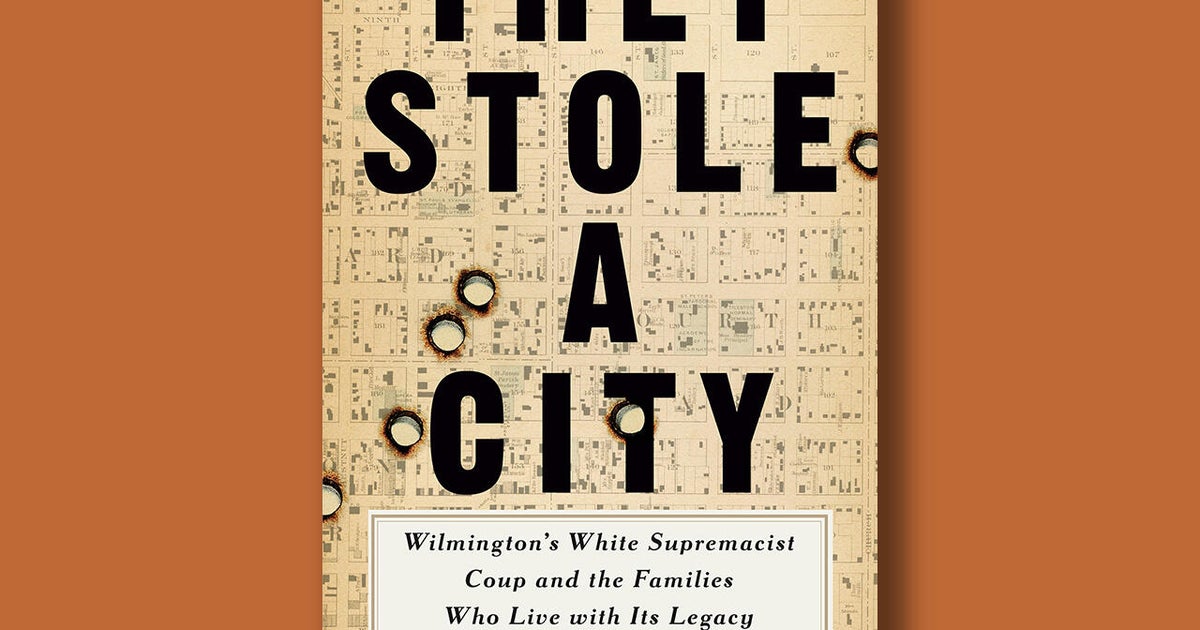
This article is an excerpt from Lauren Collins's forthcoming book They Stole a City (publishing July 14, 2026). Collins examines the events of November 1898 in Wilmington, North Carolina, when white supremacists violently overthrew a legally constituted, racially mixed city government. The excerpt explains that Collins expands the usual timeline of 1898 to include antecedents and long-term consequences, follows multiple white and Black Wilmington families across generations, and links the massacre and coup to later Jim Crow laws, voter disenfranchisement measures (including grandfather clauses), school closures and local economic decline. Collins argues the takeover was a premeditated coup that enabled prolonged white political dominance and shaped persistent disparities in Black voter participation, homeownership, business ownership, and public memory. The piece also notes increased contemporary awareness of 1898 and situates the event as a case study relevant to modern threats to democratic institutions; it advertises the book and a forthcoming CBS interview with the author.
Biblical Reflection
Collins's account seeks to surface historical truth and to trace how racial violence and political disenfranchisement produce long-lived social and institutional damage. Framed as both historical investigation and moral reckoning, the piece emphasizes testimony, family memory, and structural continuity rather than treating 1898 as an isolated incident. That interpretive stance is consistent with much recent scholarship on racial terror and systematic disenfranchisement, though readers should note the author intentionally foregrounds intergenerational effects and moral judgment—choices that shape interpretation as much as the documented facts. From a Christian pastoral perspective the article calls for honest remembrance, accountability, and repair: truth-telling about past wrongs is necessary for justice, and justice is a guard for neighbor-love and communal flourishing. At the same time, faithful response requires humility (resisting triumphalism or partisanship), mercy toward present-day descendants who did not commit ancestors' sins, and courageous public work to restore rights and protect democratic institutions. Finally, the piece reminds Christians that preserving a healthy polity includes defending the weak, ensuring access to political life, and resisting narratives that normalize exclusion or dehumanization.
Scripture in context
This outlook does not yet include contextual Scripture citations. Do not treat a general biblical theme as an exegetical conclusion.
Faithful Response
No prescribed response is offered. Consider the reflection prompts below in your own church context.
Reflection and Discussion
- 1How does seeing the Wilmington events as a deliberate, long-term coup change the way you evaluate present-day debates about voting access and public memory?
- 2What evidence does the author use to connect 1898 to later legal and economic outcomes, and where might interpretation rather than fact shape that narrative?
- 3Who benefits when a community's painful history is minimized or forgotten, and how does that shape power today?
Sources
Reporting links are evidence inputs; Sanctuary News' biblical reflection is commentary.
This outlook currently relies on fewer than two linked sources. Broaden verification before teaching from it.
- 1.Original reportprimary