News Summary
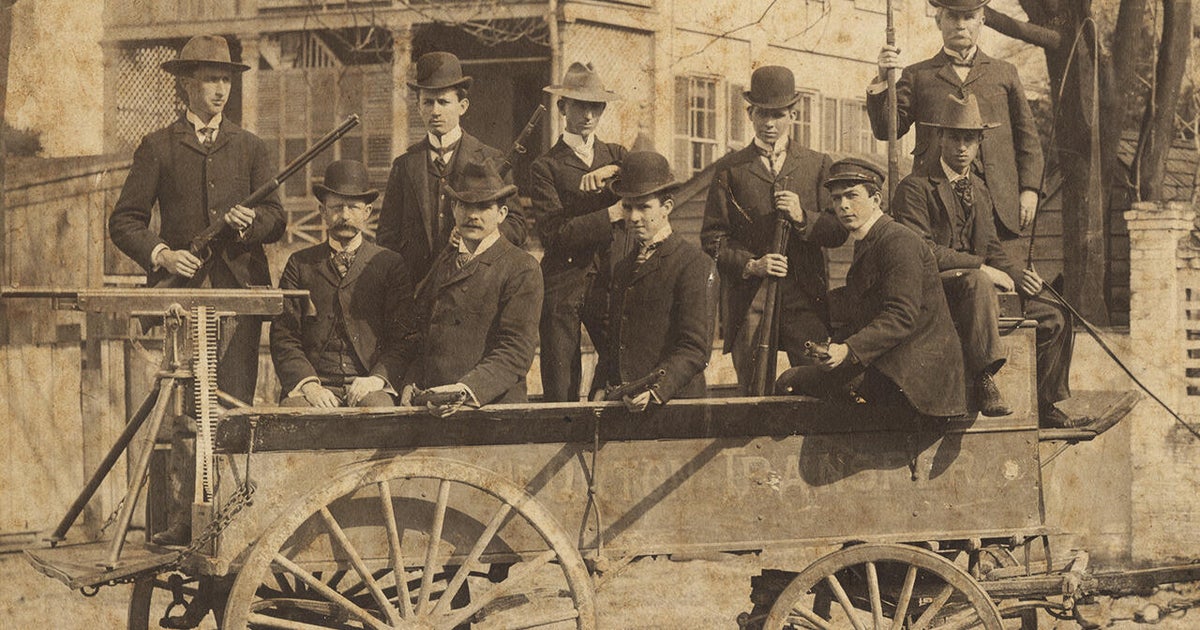
The article summarizes reporting by Lauren Collins (author of the forthcoming book They Stole a City) about the 1898 violent takeover in Wilmington, North Carolina. At the time Wilmington was a prosperous, integrated city with Black political power; white supremacist organizers, including local elites and politicians, mounted an explicit campaign to remove Black influence. On November 10, 1898, a white mob burned the town's Black newspaper, The Daily Record, marched through the city, and killed Black residents at Fourth and Harnett Streets; contemporaneous accounts and later historians estimate the death toll as ranging from dozens to hundreds. A cart equipped with a rapid-fire gun fired on predominantly unarmed Black residents; specific victims named include Joshua Halsey, who was shot and killed. White attackers forced Wilmington's multi-racial city government to resign at gunpoint and installed white Democratic leaders. No prosecutions followed; contemporary newspapers framed the events as a “race riot,” and appeals to President McKinley drew no federal intervention. The coup precipitated long-term demographic and political changes in Wilmington—reducing its Black population percentage dramatically—and the article describes ongoing efforts by some local institutions and descendants to reckon with the history and seek truth and healing.
Biblical Reflection
Viewed through a Christian lens, this story exposes systemic sin: organized racial violence, the abuse of power, the silencing of truth, and the long-term harm inflicted on neighbors. The article largely aligns with historical scholarship and presents documented names, dates, and primary-source evidence (photographs, minutes, contemporary press) that support its claims, though some details—like exact casualty counts—remain uncertain and summarized as scholarly estimates. The narrative challenges readers to resist easy forgetfulness or defensive pride; it shows how civic institutions, local elites, and media narratives can collude in injustice. Christians should respond with sober humility (acknowledging complicity where it exists), a commitment to truth-telling, and practical solidarity with those harmed—pursuing restorative justice and supporting honest public memory. At the same time, faithful witness requires careful historical discernment (avoiding exaggeration of uncertain figures) and the courage to call for accountability and repair, not merely condemnation. The posture Scripture calls for here is neither triumphalism nor avoidance but confession, restitution where possible, and work toward reconciliation that honors victims and seeks structural change.
Scripture in context
This outlook does not yet include contextual Scripture citations. Do not treat a general biblical theme as an exegetical conclusion.
Faithful Response
No prescribed response is offered. Consider the reflection prompts below in your own church context.
Reflection and Discussion
- 1Whose voices and records were suppressed or erased, and how does that shape the story we inherit?
- 2How does the way communities remember or forget this event affect current structures of power and belonging?
- 3What concrete forms of accountability and repair would honor victims and reflect Christian commitments to justice and neighbor-love?
Sources
Reporting links are evidence inputs; Sanctuary News' biblical reflection is commentary.
This outlook currently relies on fewer than two linked sources. Broaden verification before teaching from it.
- 1.Original reportprimary