News Summary
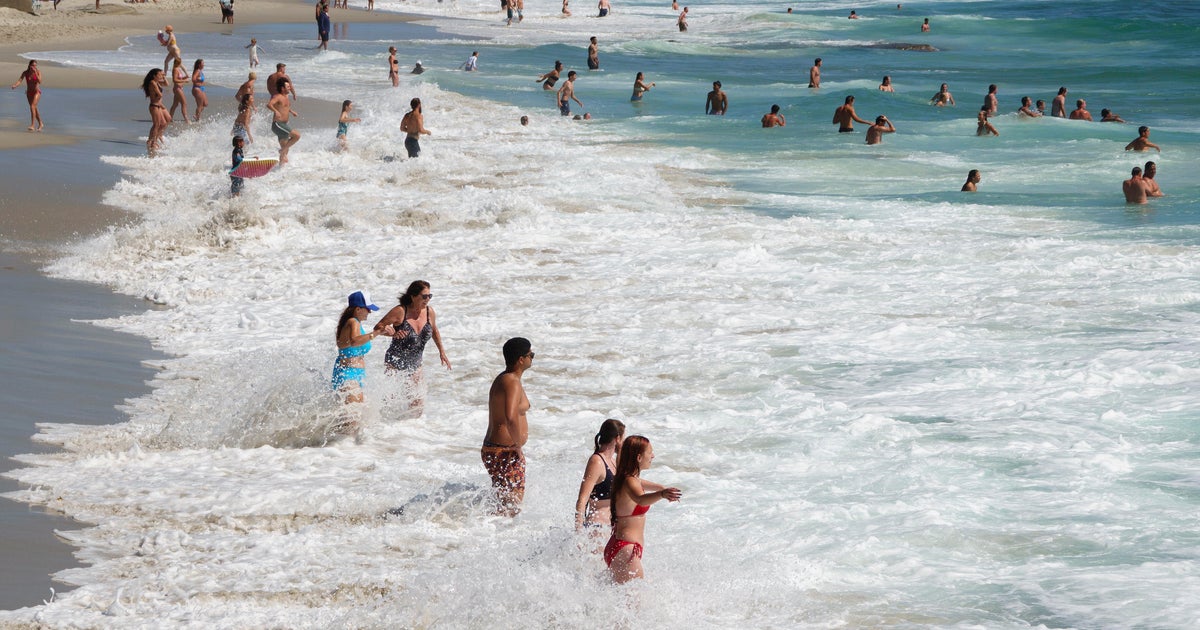
The National Weather Service forecasts a long, dangerous heat wave across the central and eastern United States ahead of the July Fourth holiday. High temperatures are expected across the lower Great Lakes, mid-Atlantic, Mississippi and Ohio River valleys, Great Plains, Southeast and parts of the Midwest, with many cities potentially seeing their highest temperatures of the year. Temperatures will reach into the 90s and low 100s °F (mid to high 30s °C), and high humidity will push heat indices to 100–115 °F (40–46 °C). Nighttime lows in the 70s °F will limit relief. Parts of the West remain unusually cool, while the Four Corners face dangerous fire-weather conditions and severe thunderstorms and flooding threats exist across northern Plains into the Mid-Atlantic. The article cites public-health guidance — limiting outdoor activity, staying hydrated, and ensuring access to air conditioning — and notes the CDC’s guidance on heat-related symptoms. It also references concurrent extreme heat in parts of Europe and recent drowning deaths in France tied to people seeking relief in water.
Biblical Reflection
The report is straightforward public-weather reporting aimed at warning people and promoting safety; it aligns with authoritative forecasts and public-health guidance. The immediate moral responsibility is practical: protect vulnerable neighbors (elderly, children, outdoor workers, unhoused people) and support public infrastructure (cooling centers, emergency services). The piece does not argue causes, so it avoids conflating forecasting with climate policy, but readers should be aware of broader systemic issues—energy access, urban heat islands, and emergency preparedness—that shape who suffers most. A Christian response balances truthful reporting with mercy and action: use accurate information to care for neighbors, advocate for community resilience, and pray for those at risk and for those serving in response roles.
Scripture in context
This outlook does not yet include contextual Scripture citations. Do not treat a general biblical theme as an exegetical conclusion.
Faithful Response
No prescribed response is offered. Consider the reflection prompts below in your own church context.
Reflection and Discussion
- 1Who in our community will be most harmed by this heat and what systems (cooling centers, outreach, utility support) are in place to protect them?
- 2Does this report focus primarily on immediate safety, or should it prompt broader questions about long-term community resilience and equitable access to cooling?
- 3How does our response show mercy and stewardship: do we prioritize quick relief, fair resource distribution, and support for public servants who protect us?
Sources
Reporting links are evidence inputs; Sanctuary News' biblical reflection is commentary.
This outlook currently relies on fewer than two linked sources. Broaden verification before teaching from it.
- 1.Original reportprimary