News Summary
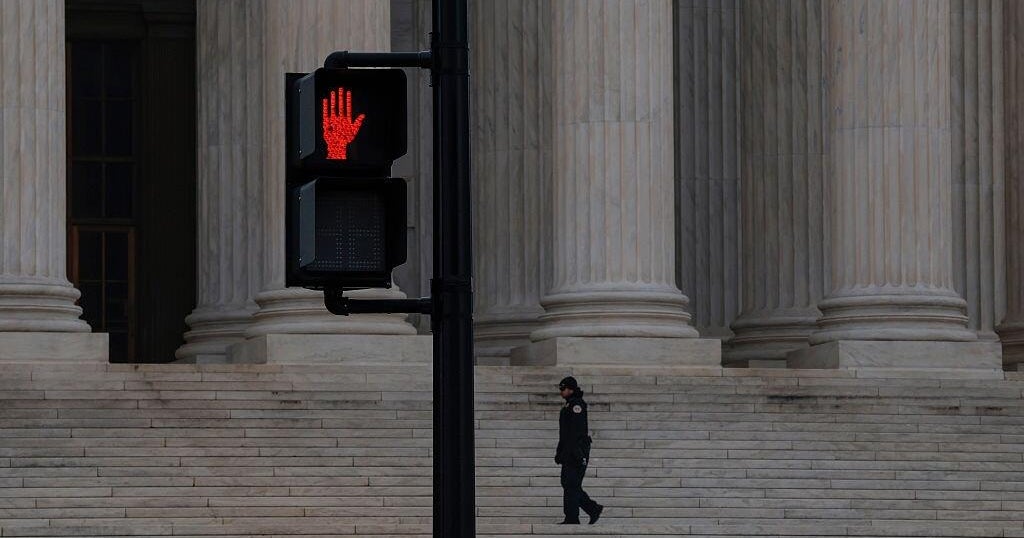
The article reports on a 6-3 Supreme Court decision that struck down President Trump's sweeping tariffs, which he imposed under the International Emergency Economic Powers Act (IEEPA). The Court ruled that the president does not have the authority to impose tariffs using this law, as it does not explicitly grant such power. The majority opinion, which included both liberal and conservative justices, emphasized that only Congress has the authority to impose tariffs, and that IEEPA's language does not provide for this presidential action. The dissenting justices argued that regulating importation has historically included tariffs and that the president should have this authority in times of emergency. The ruling limits the executive branch’s ability to unilaterally impose tariffs for economic or national security reasons unless Congress clearly enables it.
Biblical Reflection
This news story serves as a reminder of the biblical importance of just authority, accountability, and the separation of powers. Scripture teaches that rulers must not overstep the boundaries of their God-given authority (Romans 13:1-4). The Court's ruling reflects a principle of accountability, ensuring that even those in high office remain subject to the law and not above it. Such restraint protects against the abuse of power and upholds justice, echoing biblical values of fairness and stewardship. Moreover, it underscores the wisdom in having checks and balances—no single leader should wield unchecked power over matters that affect the nation's wellbeing (Proverbs 11:14). As Christians, we are called to pray for our leaders and seek just governance, recognizing that wisdom and authority ultimately come from God. The ruling also invites reflection on humility in leadership and respecting established processes rather than acting unilaterally, which aligns with Christ’s example of servant leadership. In a world where power can be tempting to misuse, this case encourages all—leaders and citizens alike—to seek justice, act with humility, and honor the rule of law.
Scripture in context
This outlook does not yet include contextual Scripture citations. Do not treat a general biblical theme as an exegetical conclusion.
Faithful Response
No prescribed response is offered. Consider the reflection prompts below in your own church context.
Reflection and Discussion
- 1How do I respond when leaders or those in authority act beyond their limits? Do I pray for them and seek justice?
- 2In what areas of my life am I tempted to act unilaterally rather than seeking wise counsel and respecting boundaries?
- 3How can I encourage and support systems of accountability and justice in my community or workplace?
Sources
Reporting links are evidence inputs; Sanctuary News' biblical reflection is commentary.
This outlook currently relies on fewer than two linked sources. Broaden verification before teaching from it.
- 1.Original reportprimary