News Summary
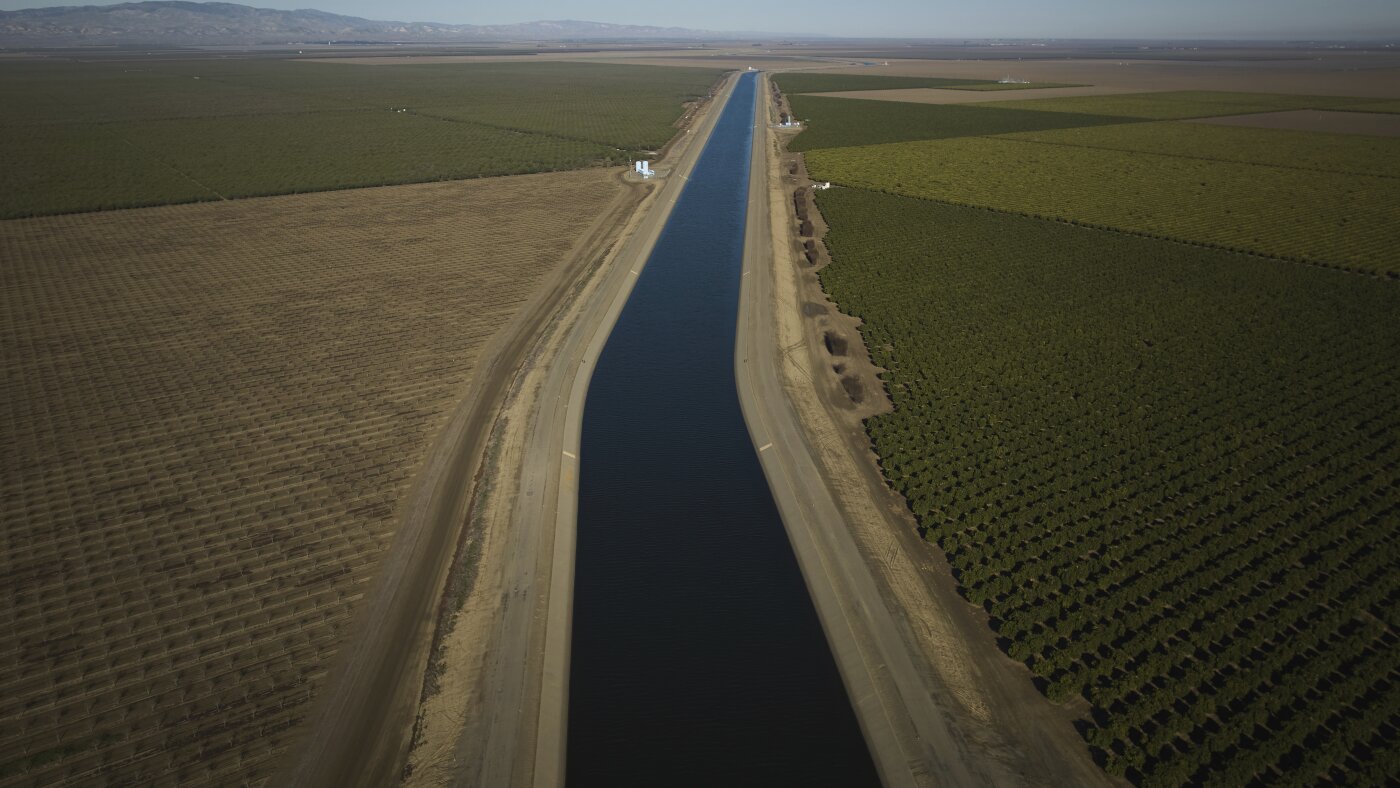
The article discusses a major new solar farm project planned in California’s San Joaquin Valley. Due to increasingly scarce water resources and stricter laws on groundwater use, many farmers are leaving their land fallow and seeking new sources of income. The Westlands Water District, a powerful agricultural organization, is partnering with solar developers to convert up to 200 square miles of farmland into a solar facility capable of generating 21,000 megawatts of electricity. The project promises guaranteed income for farmers, potentially helping to sustain the farming community. However, there are concerns among local towns, such as Huron, about job losses for farmworkers and whether they will benefit from the transition to solar energy. Discussions are ongoing about a community benefits package to address these concerns. The model may be adopted elsewhere as more farmland becomes fallow under new water regulations.
Biblical Reflection
From a biblical perspective, this story is a complex mixture of adaptation, stewardship, and justice. Scripture teaches the importance of stewardship—caring for the earth and its resources (Genesis 2:15), as well as providing for one's family and community (1 Timothy 5:8). The farmers’ willingness to adapt to changing environmental realities and seek sustainable solutions is commendable and reflects wise stewardship. Developing clean energy can also be seen as caring for God’s creation.
However, the article highlights a potential justice issue: while landowners benefit, vulnerable communities of farmworkers may be left behind. The biblical prophets repeatedly call for justice for the poor and marginalized (Isaiah 1:17, Micah 6:8). Christian virtue would urge those in positions of power and benefit to ensure that the transition to solar energy does not overlook the needs of workers and their families, but instead seeks their welfare and inclusion. The negotiations around community benefits are an opportunity to practice biblical justice, generosity, and neighborly love (Luke 10:25–37).
Ultimately, this story challenges readers to consider not only how we adapt to environmental challenges, but whether our adaptations promote fairness, compassion, and the flourishing of all in the community.
Scripture in context
This outlook does not yet include contextual Scripture citations. Do not treat a general biblical theme as an exegetical conclusion.
Faithful Response
No prescribed response is offered. Consider the reflection prompts below in your own church context.
Reflection and Discussion
- 1How can I support or advocate for solutions that care for both the environment and the vulnerable in my community?
- 2In what ways do I benefit from changes in society, and how can I ensure others are not left behind?
- 3What does it mean for me personally to act justly, love mercy, and walk humbly in the face of change?
Sources
Reporting links are evidence inputs; Sanctuary News' biblical reflection is commentary.
This outlook currently relies on fewer than two linked sources. Broaden verification before teaching from it.
- 1.Original reportprimary