News Summary
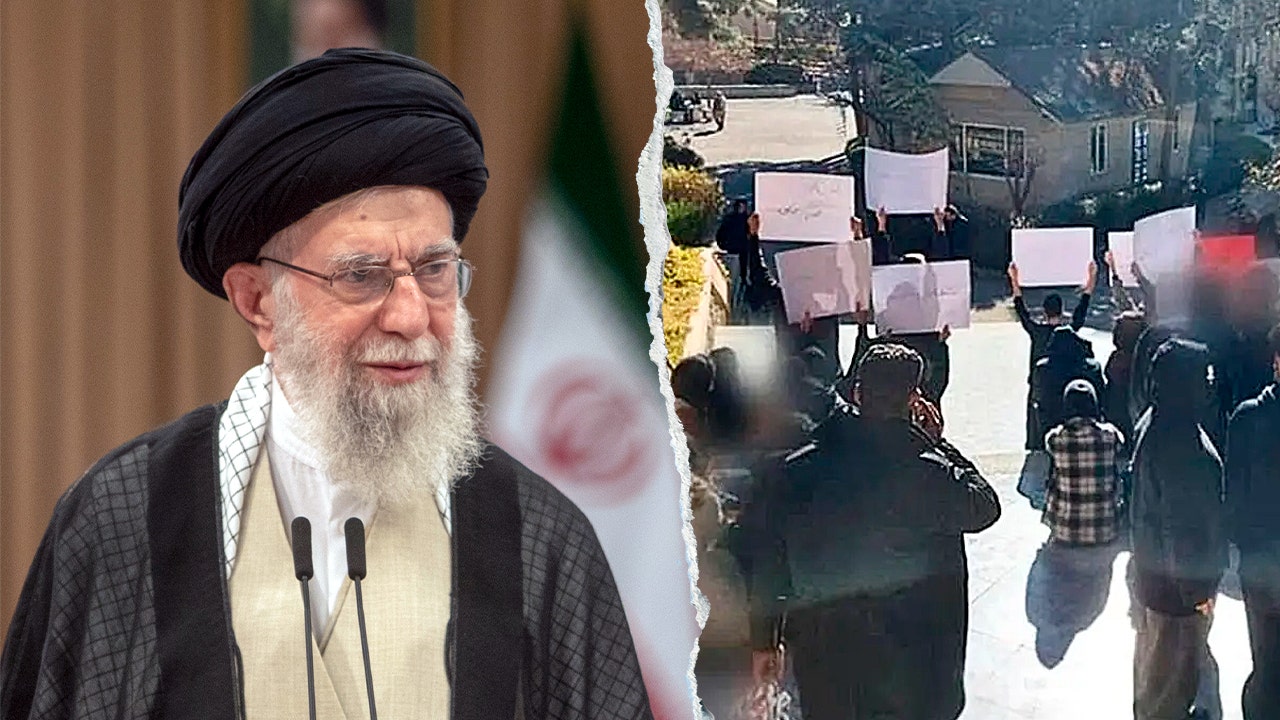
The article examines the uncertainties surrounding Iran’s future leadership should the Islamic Republic collapse. Amid ongoing anti-regime protests, experts highlight that the question of succession is complex and depends greatly on how the regime might fall, especially whether Iran's security forces—like the Islamic Revolutionary Guard Corps (IRGC) and the Basij militia—fracture or remain loyal. Some warn of the risk that a mere reshuffling of elites could leave coercive structures in place, blocking true reform. Key figures discussed include Reza Pahlavi, who advocates for a secular, democratic Iran and stresses the importance of letting the people decide the country's future, and Maryam Rajavi, leader of the Mujahedin-e Khalq, who calls for an organized internal resistance and a provisional government leading to free elections. There is skepticism about the viability and popularity of opposition groups, and no clear successor is identified. The article concludes that Iran’s next chapter is far from determined and will likely be shaped by events on the ground, not by foreign intervention.
Biblical Reflection
From a biblical perspective, the article reflects a nation in turmoil, grappling with leadership, justice, and the yearning for freedom. Scripture often warns against relying solely on human systems for ultimate deliverance—'Do not put your trust in princes, in mortal men, who cannot save' (Psalm 146:3). The focus on charismatic leaders, military power, or external influence mirrors the biblical caution against 'playing musical chairs' with power without addressing the heart of a nation’s problems: justice, righteousness, and true peace. The absence of clear, servant-hearted leadership points to a spiritual vacuum, echoing the biblical pattern where, 'everyone did what was right in his own eyes' (Judges 21:25), leading to instability. The Christian hope in such scenarios is for leadership that seeks the welfare of all people, grounded in justice, humility, and compassion. As believers, we are called to pray for peace, for wise and just leaders (1 Timothy 2:1-2), and for movements rooted in truth, dignity, and reconciliation—qualities sorely needed in moments of national crisis.
Scripture in context
This outlook does not yet include contextual Scripture citations. Do not treat a general biblical theme as an exegetical conclusion.
Faithful Response
No prescribed response is offered. Consider the reflection prompts below in your own church context.
Reflection and Discussion
- 1What qualities does Scripture call us to look for in leadership, especially in times of national crisis?
- 2How can we pray for justice and peace in countries experiencing political upheaval?
- 3Are we tempted to put our hope in political systems or leaders instead of seeking God’s ultimate guidance and justice?
Sources
Reporting links are evidence inputs; Sanctuary News' biblical reflection is commentary.
This outlook currently relies on fewer than two linked sources. Broaden verification before teaching from it.
- 1.Original reportprimary