News Summary
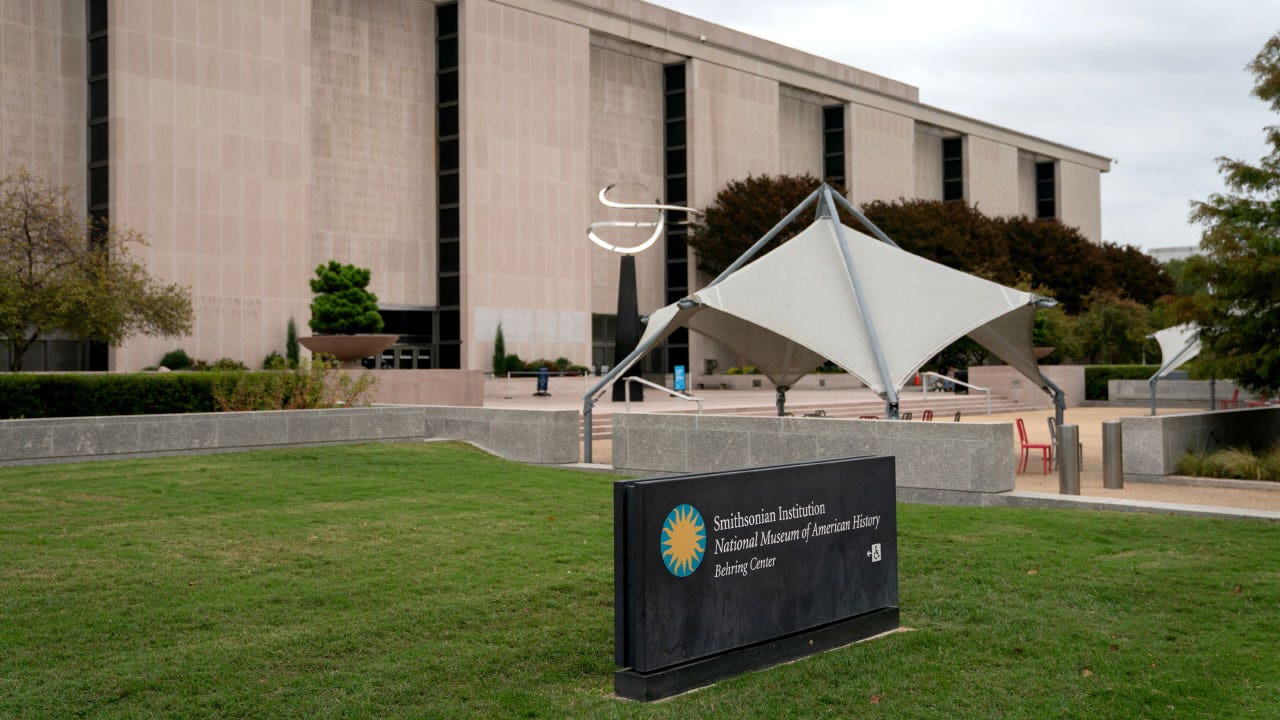
A 162-page White House Domestic Policy Council report titled “Restoring Truth and Sanity to American History,” published July 4, alleges the Smithsonian Institution’s National Museum of American History (NMAH) has been subject to "ideological capture" and shifted from neutral historical scholarship toward political activism. The report criticizes museum leadership — naming Director Anthea Hartig and citing public statements that link history to social justice and advocacy — and claims that NMAH de-emphasizes the Founding era and founders in favor of interpretive themes about slavery, race, gender, immigration, and modern social-justice terminology. The report notes a revised mission statement emphasizing "a more just and compassionate future" and says the Smithsonian receives more than $1 billion in annual taxpayer support, arguing that the museum’s approach conflicts with a recent presidential executive order aimed at removing political influence in government entities. The article reports the White House conclusions and examples from the report; it does not include a response from the Smithsonian or museum leadership in the text provided.
Biblical Reflection
This dispute is about competing views of how publicly funded cultural institutions should present the past. The White House report frames NMAH’s recent interpretive choices as political and potentially unpatriotic; the museum’s public-facing language about complexity, justice, and marginalized perspectives reflects a different priority: widening the story told to include people long omitted or downplayed. Christians care about truth, but truth-seeking requires careful attention to evidence and motive on both sides. A government report with strong political aims deserves scrutiny for selective framing, just as museum curatorial decisions deserve evaluation for adequacy and balance. Pastoral wisdom calls us to resist tribalizing history: patriotism that ignores injustice is incomplete, and justice-minded critique that erases national goods can be corrosive. The healthier posture is humility and charity — demand accurate, documented exhibits and transparent review processes while resisting the temptation to weaponize cultural institutions for partisan advantage. Christian virtue points toward honest accounting of the past, care for the vulnerable, and stewardship of shared public resources without demonizing people whose interpretive emphases differ.
Scripture in context
This outlook does not yet include contextual Scripture citations. Do not treat a general biblical theme as an exegetical conclusion.
Faithful Response
No prescribed response is offered. Consider the reflection prompts below in your own church context.
Reflection and Discussion
- 1Who gains influence when cultural institutions are overseen or reshaped by political officeholders, and how does that affect the integrity of public memory?
- 2Are critiques focusing on individual statements or mission language assessing specific exhibit content and evidence, or are they primarily responding to perceived symbols and rhetoric?
- 3How can Christians hold both a grateful patriotism and a prophetic concern for justice when interpreting national history?
Sources
Reporting links are evidence inputs; Sanctuary News' biblical reflection is commentary.
This outlook currently relies on fewer than two linked sources. Broaden verification before teaching from it.
- 1.Original reportprimary