News Summary
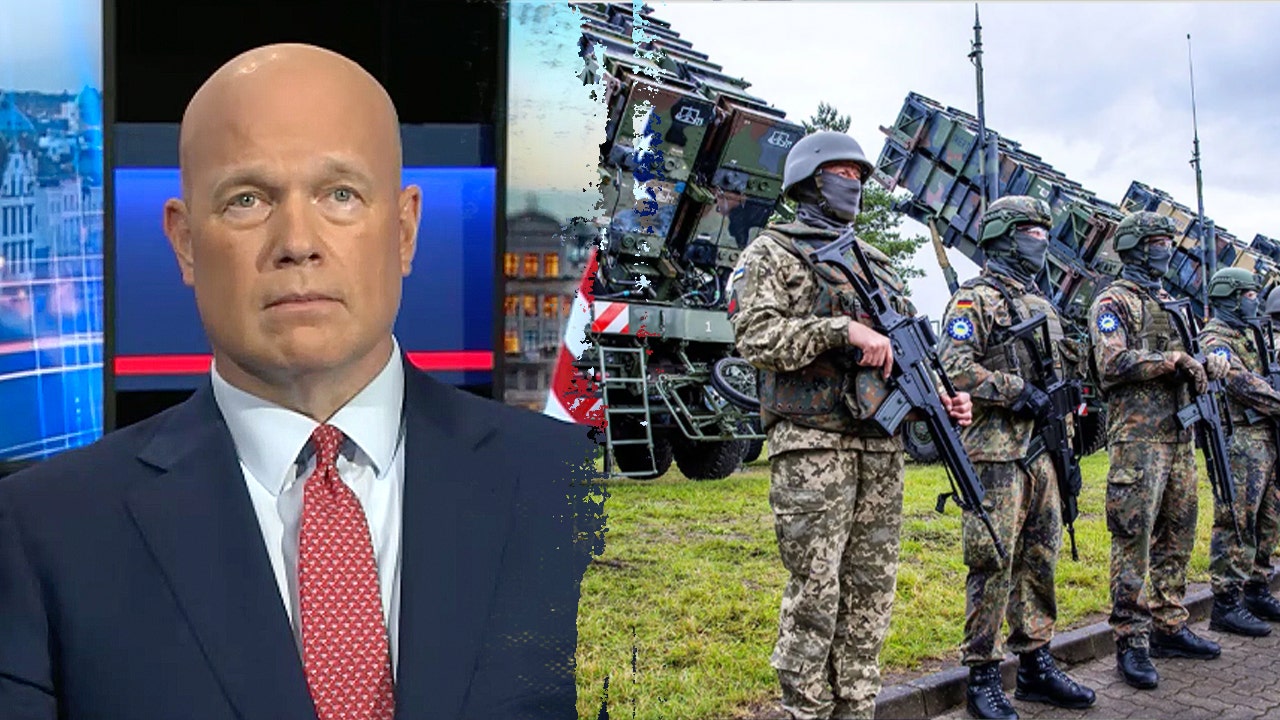
U.S. Ambassador to NATO Matthew Whitaker, in an interview with Fox News Digital, credited President Donald Trump's pressure campaign with prompting what the administration describes as a stronger NATO. At the 2025 NATO summit, allies agreed to a new target of 5% of GDP for defense spending by 2035 (up from the longstanding 2% guideline). Whitaker said allies added nearly $150 billion in defense spending over the past year and that the administration is tracking each country's progress on a monthly dashboard. He named Poland, Latvia, Lithuania, Estonia, Greece and Turkey as leaders in increasing spending, and singled out Spain, France, Italy and the United Kingdom as countries he is watching. The article reports that the U.S. is conducting a force-posture review in Europe tied to burden-sharing debates; recent allied capability steps noted include Germany's planned acquisition of Tomahawk cruise missiles, announcements about Patriot missile production in Ukraine, a Lockheed Martin sustainment facility in Europe, and more than $3 billion in defense agreements and joint ventures announced at the summit. The administration frames these developments as part of a “NATO 3.0” model emphasizing greater European defense production and investment so the U.S. can reweight its global military focus.
Biblical Reflection
From a Christian discernment perspective, this article presents a mix of legitimate security concerns, national interest claims, and partisan framing. The factual elements — increased allied spending commitments, announced procurement and production agreements, and an ongoing U.S. force-posture review — have real and measurable implications for European and transatlantic security. The piece largely relays the administration’s positive assessment of outcomes and uses repeated administration quotes; it does not give equal space to allied reservations, alternative analyses of risk, or the longer-term political and humanitarian consequences of any reduction in U.S. presence. Christians should note two underlying motivations at work: a call for fairer burden-sharing (which aligns with stewardship and responsibility) and clear economic interests tied to defense contracts (which invites scrutiny about profit motives shaping policy language). Practically, the shift toward greater European capability can be a responsible move if it genuinely enhances deterrence and collective protection, but it becomes morally problematic if rhetoric of “equalizing” is used to justify diminishing obligations to protect more vulnerable neighbors or to prioritize industry profit over peace-building. The Christian virtues of truth and humility call us to test claims (who benefits, who bears risk), and mercy and neighbor-love call us to weigh how policy changes affect nations and peoples most exposed to aggression. Finally, the Christian commitment to peace-making urges leaders to pursue strength that enables diplomacy and protects the weak, not strength for its own sake or for economic advantage.
Scripture in context
This outlook does not yet include contextual Scripture citations. Do not treat a general biblical theme as an exegetical conclusion.
Faithful Response
No prescribed response is offered. Consider the reflection prompts below in your own church context.
Reflection and Discussion
- 1Whose interests are most visible in the article—collective security for vulnerable allies, national strategic advantage, or commercial benefits for defense industries?
- 2Does the reporting reflect a single administration’s perspective more than an independent assessment of long-term risks and protections for all NATO members?
- 3If Europe assumes more conventional defense responsibility, what safeguards are needed so that vulnerable countries are not left exposed during transitions?
Sources
Reporting links are evidence inputs; Sanctuary News' biblical reflection is commentary.
This outlook currently relies on fewer than two linked sources. Broaden verification before teaching from it.
- 1.Original reportprimary