News Summary
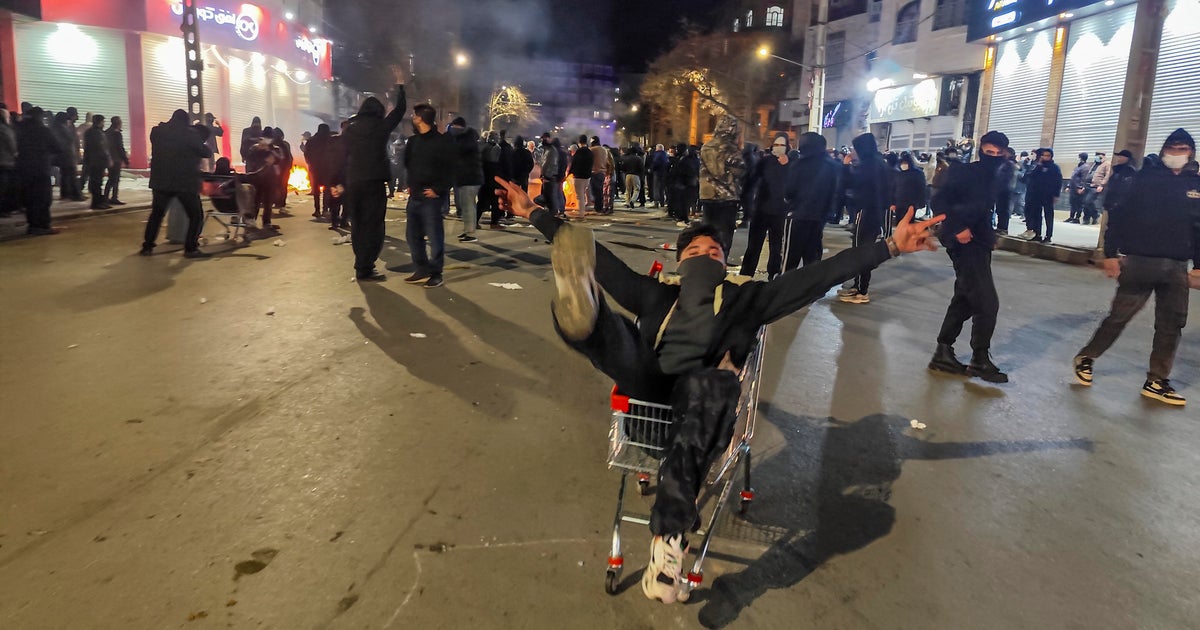
Iran is experiencing its largest anti-government protests in years, sparked primarily by a severe economic crisis and rampant inflation that has devalued the currency and made daily necessities unaffordable for many citizens. The protests began with strikes by shopkeepers in Tehran and quickly spread to at least 46 cities, involving thousands of participants and resulting in mass arrests and dozens of deaths. Authorities have responded with force, detaining over 2,200 people—including minors—and imposing an internet blackout to suppress communication. President Trump has publicly threatened U.S. intervention if Iran violently cracks down on protesters, signaling a more aggressive foreign policy stance. The protests differ from prior movements due to their economic roots and widespread participation, making them harder for the Iranian regime to appease. Exiled Iranian Crown Prince Reza Pahlavi has encouraged the movement, calling for unity and discipline. The situation is tense, with both Iranian and U.S. officials issuing strong statements and the potential for further escalation.
Biblical Reflection
From a Christian perspective, this article highlights both the yearning for justice and the peril of escalating violence. Scripture repeatedly calls us to stand with the oppressed and to seek justice (Isaiah 1:17), and the courage of ordinary Iranians risking their safety for dignity and economic survival is commendable. However, the news also raises concerns about human rights abuses, government suppression, and the temptation toward violent responses—both domestically and in the realm of international intervention. The use of violence and repression to maintain power is deeply contrary to the biblical vision of leadership as servanthood (Mark 10:42-45) and of resolving conflict through peace and truth rather than force. While advocacy for the vulnerable is crucial, Christians must also be wary of solutions that rely on military might or foster further enmity. True hope for Iran—and for all nations—lies in leaders who value justice, humility, and the dignity of all people, and in movements that pursue change through perseverance, nonviolence, and faith in God's ultimate justice.
Scripture in context
This outlook does not yet include contextual Scripture citations. Do not treat a general biblical theme as an exegetical conclusion.
Faithful Response
No prescribed response is offered. Consider the reflection prompts below in your own church context.
Reflection and Discussion
- 1How can Christians support those seeking justice and freedom in other countries without promoting violence or conflict?
- 2What does it mean to 'act justly' and 'love mercy' in the context of international crises and political unrest?
- 3How do we discern when intervention is necessary and what form it should take, according to biblical principles?
Sources
Reporting links are evidence inputs; Sanctuary News' biblical reflection is commentary.
This outlook currently relies on fewer than two linked sources. Broaden verification before teaching from it.
- 1.Original reportprimary