News Summary
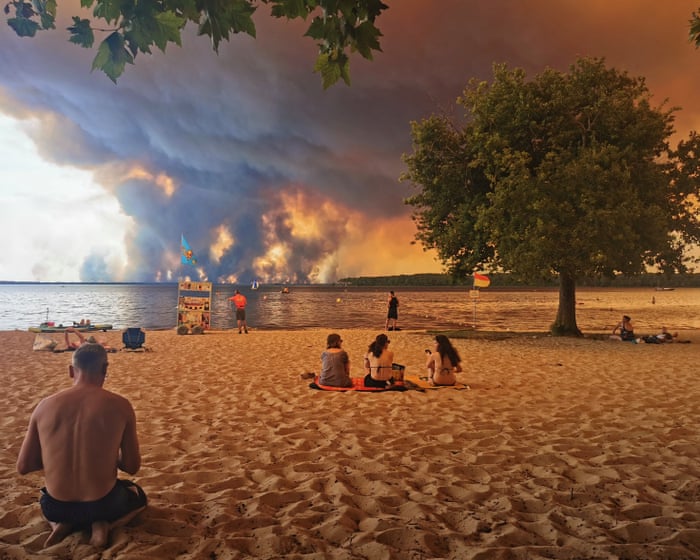
The Guardian published a photo gallery (24 July 2026) collecting 20 images from the previous week. The gallery includes photographs of wildfires in Europe, Russian missile strikes in Kyiv, protests in New Delhi described as 'cockroach protests,' and scenes from the 2026 World Cup final. The piece is presented as curated photojournalism and warns readers that some images may be distressing. The article itself is a visual roundup and does not provide detailed reporting, casualty figures, or in-depth context for each pictured event within the supplied summary text.
Source and Framing Analysis
This is a curated visual roundup rather than investigative reporting. Selection and sequencing decisions determine what viewers notice; striking or graphic images are likely prioritized to convey immediacy and emotional impact. Because the supplied text is a brief gallery description, material uncertainties remain about specifics (dates, locations, casualties, photographer attribution) that would normally appear in full captions. The visual format can inform and move readers but also risks encouraging emotional response without sufficient contextual detail.
Biblical Reflection
This gallery gathers powerful images from different global crises and public moments. As Christians we should receive such images with sober attention: they can awaken compassion and call us to prayer and practical care, but they can also numb us if consumed only as spectacle. The coverage of missile strikes and wildfires points to human vulnerability and the moral urgency of responding to suffering; the protests and sporting events remind us that public life mixes grief, dissent, and communal joy.
Discernment requires asking how images are selected and why certain scenes are foregrounded. Photojournalism can reveal truth but it also frames it—what viewers see and do not see shapes understanding. Christians are called to pursue truth with humility, to comfort the afflicted, and to work for justice and peace where violence or environmental harm appears. That means praying for those depicted, seeking verified information about their needs, and supporting trustworthy relief or peacemaking efforts rather than forwarding emotional content that lacks context.
Finally, the variety of images—war, disaster, protest, sport—should prompt active compassion rather than passive consumption. We should let what we see lead to concrete neighbor-love: informed giving, advocacy for policies that protect life and creation, and patient, humble conversation that resists cheap outrage and cultivates reconciliation.
Scripture in context
- 1Luke 10:25–37 (Parable of the Good Samaritan) — In response to a question about inheriting eternal life, Jesus tells a parable about a man beaten and left by the road; a priest and Levite pass by, while a Samaritan stops to care for him, illustrating that 'neighbor' means anyone in need. — The passage challenges Christians to move beyond distant sympathy for victims shown in images and to act concretely—providing care, protection, and practical assistance—regardless of nationality, politics, or ethnicity.
Faithful Response
Pray specifically for individuals and communities pictured, asking God for protection, rescue, and provision.
Seek verified information before sharing images; prioritize accuracy and the dignity of those depicted.
Support reputable relief organizations or local ministries addressing needs caused by conflict, fire, or displacement.
Encourage personal and congregational education about root causes (conflict dynamics, disaster preparedness, environmental stewardship) and advocate for humane policies.
Reflection and Discussion
- 1How does Scripture’s call to love our neighbor shape the way we respond to images of distant suffering?
- 2Where might our comfort with viewing suffering as spectacle blunt our responsibility to act with mercy and justice?
- 3In what ways can our response balance truth-telling about injustice with humility and a posture of reconciliation?
Sources
Reporting links are evidence inputs; Sanctuary News' biblical reflection is commentary.
This outlook currently relies on fewer than two linked sources. Broaden verification before teaching from it.
- 1.The week around the world in 20 picturesprimary_reporting