News Summary
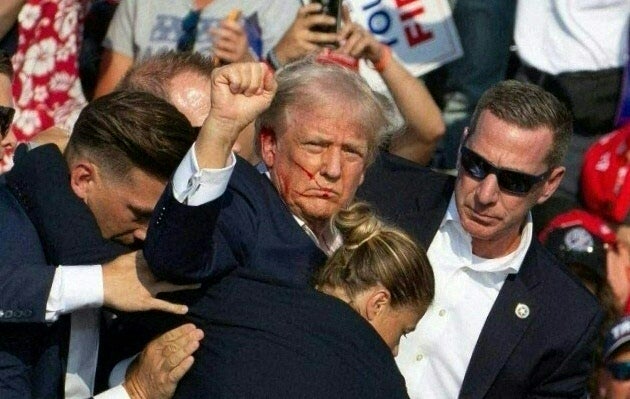
The Department of Homeland Security Office of Inspector General released a 64-page report finding the U.S. Secret Service missed multiple opportunities to prevent or disrupt the July 13, 2024 assassination attempt on then-candidate Donald Trump at a rally in Butler, Pennsylvania. The OIG identified lapses including separate command posts separated by 257 yards with limited radio interoperability, 102 missed radio transmissions related to the search for a suspicious individual, failures to warn on-site protective details that the suspect had a range finder and long gun and had climbed onto a nearby roof, and poor intelligence sharing with the Pittsburgh field office and local law enforcement. The report also found the agency failed to detect an earlier drone flight used by the suspect because of operator training and equipment problems, and that an on-site counter-drone system malfunctioned. Advance planning had identified the American Glass Research building as a line-of-sight vulnerability; recommended mitigations (including use of trucks to block sight lines) were not implemented after campaign staff raised objections about press photos, leaving an unobstructed 155-yard line of sight. Thomas Matthew Crooks fired eight shots; Trump was grazed in the ear, attendee Corey Comperatore was killed, and two other spectators were critically injured. The OIG recommended mandatory threat communication, enhanced counter-drone training, and formal documentation processes for identifying and blocking line-of-sight vulnerabilities among other fixes.
Biblical Reflection
From a Christian perspective, this report raises urgent concerns about stewardship of public trust and the protection of human life. The findings point to systemic failures—communication breakdowns, inadequate training, equipment malfunction, and insufficient coordination—that put lives at risk and undermined the duty to safeguard a public figure and the crowd present. The narrative rightly calls for accountability and practical reform, but readers should note the article’s source and voices (including former agents and campaign staff comments) and seek the formal OIG report and official responses for full context. Spiritually, the situation challenges Christians to demand truth and transparency while resisting partisan exploitation of tragedy. Compassion for victims and their families, sober pursuit of corrective change, and prayers for those who serve in dangerous public-protection roles reflect biblical commitments to justice, mercy, and the preservation of life.
Scripture in context
This outlook does not yet include contextual Scripture citations. Do not treat a general biblical theme as an exegetical conclusion.
Faithful Response
No prescribed response is offered. Consider the reflection prompts below in your own church context.
Reflection and Discussion
- 1What structural incentives or communication practices allowed critical warnings and radio transmissions to be missed, and who must be accountable for fixing them?
- 2How might concerns about optics, media access, or political considerations unintentionally compromise public safety during high-risk events?
- 3Are the recommended technical and procedural fixes sufficient to restore public confidence, or is deeper cultural and organizational reform needed within protective agencies?
Sources
Reporting links are evidence inputs; Sanctuary News' biblical reflection is commentary.
This outlook currently relies on fewer than two linked sources. Broaden verification before teaching from it.
- 1.Original reportprimary