News Summary
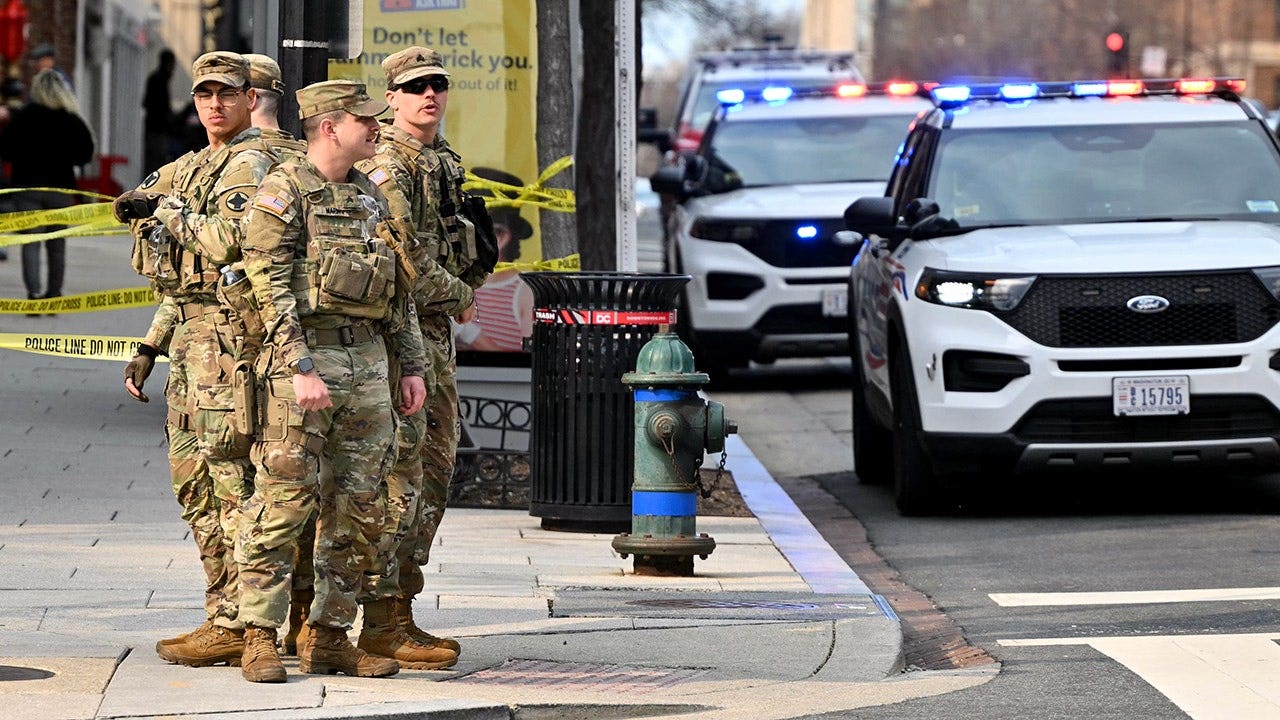
Through the same point in 2026 there have been 20 homicides in Washington, D.C., compared with 42 over the same period in 2025. The Trump administration attributes the drop to actions including the appointment of U.S. Attorney Jeanine Pirro, an increase in federal agents operating in the city, and a deployment of National Guard troops; the White House also cites arrests, weapons and drug seizures and recovery of missing children. Criminologists and other experts caution that homicide declines are occurring in many U.S. cities and that it is difficult to isolate a single cause. They note factors such as improved court processing and prior downward trends in some offenses. Local and national Democrats criticized the federal deployments as unnecessary or harmful. The article reports competing claims: administration officials credit a crime task force and border policies for broader declines, while critics warn of civil‑liberties and community‑trust harms; outside criminologists say crackdowns can have effects but urge caution about claiming a single “magic bullet.”
Biblical Reflection
The story raises morally weighty questions Christians should weigh with both truth-seeking rigor and compassion. Scripture supports government responsibility to maintain public order and protect the vulnerable (e.g., Romans 13), so effective efforts that reduce murder and recover missing children can reflect stewardship of public safety. At the same time, the Bible calls for justice, mercy, and humility (Micah 6:8) — which cautions us against triumphalism when political actors claim credit without clear causal evidence. The article shows competing narratives: political leaders framing enforcement as a vindication, critics warning of overreach, and experts urging careful analysis of data and root causes. Christians should be attentive to both the need for lawful, effective protection of communities and the risks of militarizing civic life or treating people as problems to be suppressed rather than restored. Practically, that means valuing accurate, nonpartisan assessment of outcomes; caring for victims and communities harmed by crime; advocating for fair prosecutions and timely courts; and pressing for policies that address underlying social brokenness (poverty, addiction, family instability) alongside enforcement. Finally, be wary of media and political framing that simplifies correlation into causation — pursue facts, resist partisan reflexes, and pray for wisdom for leaders and mercy for those affected.
Scripture in context
This outlook does not yet include contextual Scripture citations. Do not treat a general biblical theme as an exegetical conclusion.
Faithful Response
No prescribed response is offered. Consider the reflection prompts below in your own church context.
Reflection and Discussion
- 1Are crime declines being presented as a straightforward success attributable to a single policy, and what evidence would be needed to establish causation rather than correlation?
- 2Whose voices and lived experiences are missing from the coverage — victims, community leaders, defense lawyers, court administrators — and how would their perspectives change our understanding?
- 3How does a Christian view balance the legitimate need for public safety with concerns about civil liberties, the dignity of people affected by enforcement, and long-term restoration of communities?
Sources
Reporting links are evidence inputs; Sanctuary News' biblical reflection is commentary.
This outlook currently relies on fewer than two linked sources. Broaden verification before teaching from it.
- 1.Original reportprimary