News Summary
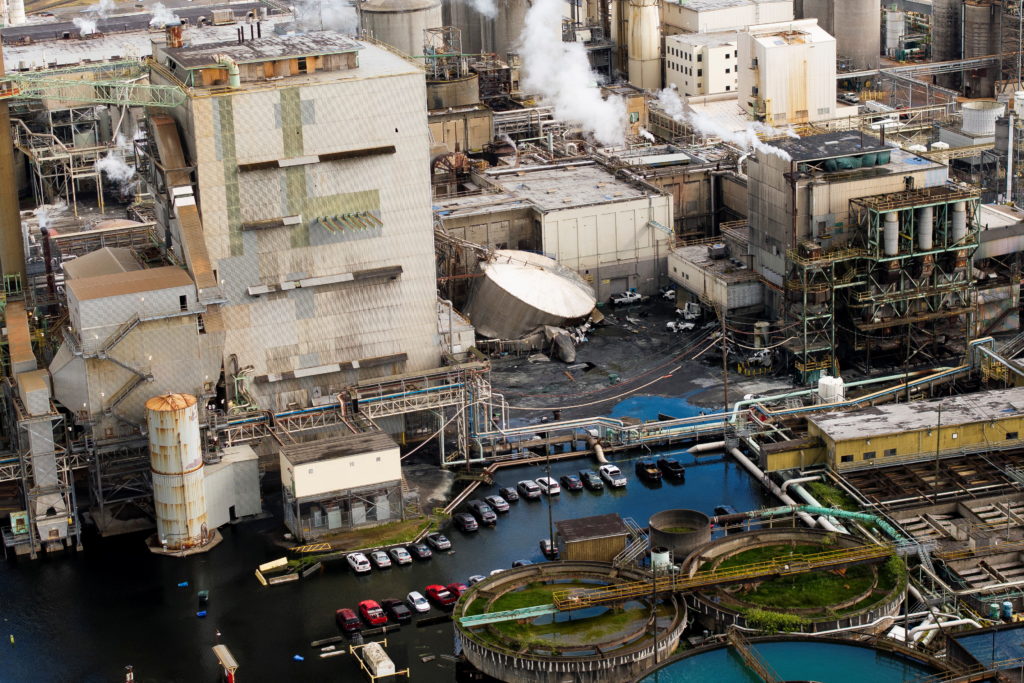
PBS NewsHour reports that a storage tank failed on May 26 in Longview, Washington, releasing caustic liquid with enough force to blow out building walls. The U.S. Chemical Safety Board (CSB) issued an update saying its work is part of an ongoing investigation and that it is still determining the cause. The supplied article’s headline asserts the tank "was called unfit for service" before the failure and describes the event as "deadly," but the short article excerpt does not provide on-the-record documentation, casualty counts, inspection records, or direct CSB quotes to substantiate those stronger claims.
Source and Framing Analysis
Source: PBS NewsHour (article title and short excerpt provided). The excerpt responsibly attributes the update to the U.S. Chemical Safety Board and accurately reports that the CSB is investigating and has not yet determined the cause. Framing issues: the headline includes stronger allegations (that the tank had been called "unfit for service" and labels the event "deadly") that are not documented in the supplied excerpt. This creates material uncertainty: readers need the CSB update text, inspection records, operator statements, and local emergency/medical reports to evaluate the headline’s claims. The CSB is the appropriate federal investigator to lead technical fact-finding; reporting that centers the CSB’s ongoing work is appropriate, but care is needed to avoid amplifying unverified assertions from headlines or secondary claims.
How sources covered this story
Sanctuary separately assesses reporting quality and alignment with Christian virtues. The virtues assessment considers truthfulness, dignity, compassion, justice, peacemaking, humility, and care for vulnerable people. It does not assess a publisher's faith or reward religious language.
Compare 1 reports
Reporting 80/100Virtues 75/100
- Distinctive contribution
- Specifies the physical severity of the release — 'expelled enough caustic liquid to blow out building walls' — and explicitly notes the CSB update and that the cause remains under determination.
- Framing
- Concise, factual framing attributed to the U.S. Chemical Safety Board; frames the information as part of an ongoing federal investigation and avoids speculation about cause.
- Omissions or uncertainty
- Does not identify the specific facility/operator, any casualties or injuries, timeline beyond the date, chemical quantities, technical causes or hypotheses, prior safety warnings, or quotes/documentation from the CSB update beyond the summary statement.
- Why these scores
- The excerpt is clearly attributed, specific about the incident's physical effect, and responsibly notes ongoing investigation (honest uncertainty). Its main limitation is brevity: it omits many contextual and technical details but what is present is factual and appropriately cautious. The passage is truthful, non-sensational, and attributes information to the investigating agency, showing humility about uncertainty. It neither dehumanizes nor exploits victims; however, it does not include explicit compassionate or justice-focused language or details about victims or community impact.
Biblical Reflection
From a Christian perspective, respond first with compassion for anyone harmed and pastoral care for families and neighbors. Value and support careful, transparent fact-finding (the CSB investigation) as an instrument of truth and public safety. Resist rushing to blame or politicize before facts are established: pursue justice without suspicion-driven rhetoric, seek mercy for victims, and practice humility about what is known and unknown. Advocate for accountability and stronger safety practices where warranted, while protecting the dignity of those affected and supporting reconciliation when appropriate. Christians with professional roles in industry or regulation are called to conscientious stewardship of safety and to practical measures that protect the vulnerable.
Scripture in context
- 1Luke 10:25-37 (Parable of the Good Samaritan) — Jesus answers a question about who qualifies as a 'neighbor' by telling a story where a man beaten and left for dead is helped by an unexpected rescuer; the story emphasizes mercy and practical care for the injured. — The passage calls Christians to concrete aid for those harmed, to steps that prevent harm where possible, and to a justice-shaped mercy that seeks the welfare of vulnerable people rather than focusing first on assigning blame.
Faithful Response
Pray specifically for victims, first responders, investigators, and families, asking for clarity, healing, and wisdom.
Offer tangible help to affected neighbors through verified local relief channels (meals, temporary housing, transportation, financial assistance), coordinated with local authorities or relief organizations.
Avoid sharing or amplifying unverified claims; rely on primary documents (CSB updates, inspection reports, official emergency statements) before public accusations.
Encourage and respectfully request transparency from the facility operator and regulators; support thorough, independent investigation and adoption of safety recommendations.
Mobilize pastoral care: visit or call impacted families, provide counseling, and connect congregants with practical volunteer roles that local coordinators request.
Reflection and Discussion
- 1How can our congregation balance the urgent need for accountability with patience for a careful, evidence-based investigation?
- 2What concrete ways can we support victims and first responders in this incident that respect their dignity and preferences?
- 3If investigations reveal preventable failures, how should Christians advocate for systemic safety reforms while pursuing reconciliation and restorative justice?
- 4What vocational ethics should we teach and expect of members who work in industry, engineering, or regulation to prevent similar harms?
Sources
Reporting links are evidence inputs; Sanctuary News' biblical reflection is commentary.
This outlook currently relies on fewer than two linked sources. Broaden verification before teaching from it.
- 1.Washington chemical tank was called unfit for service before deadly failure, investigators findprimary_reporting