News Summary
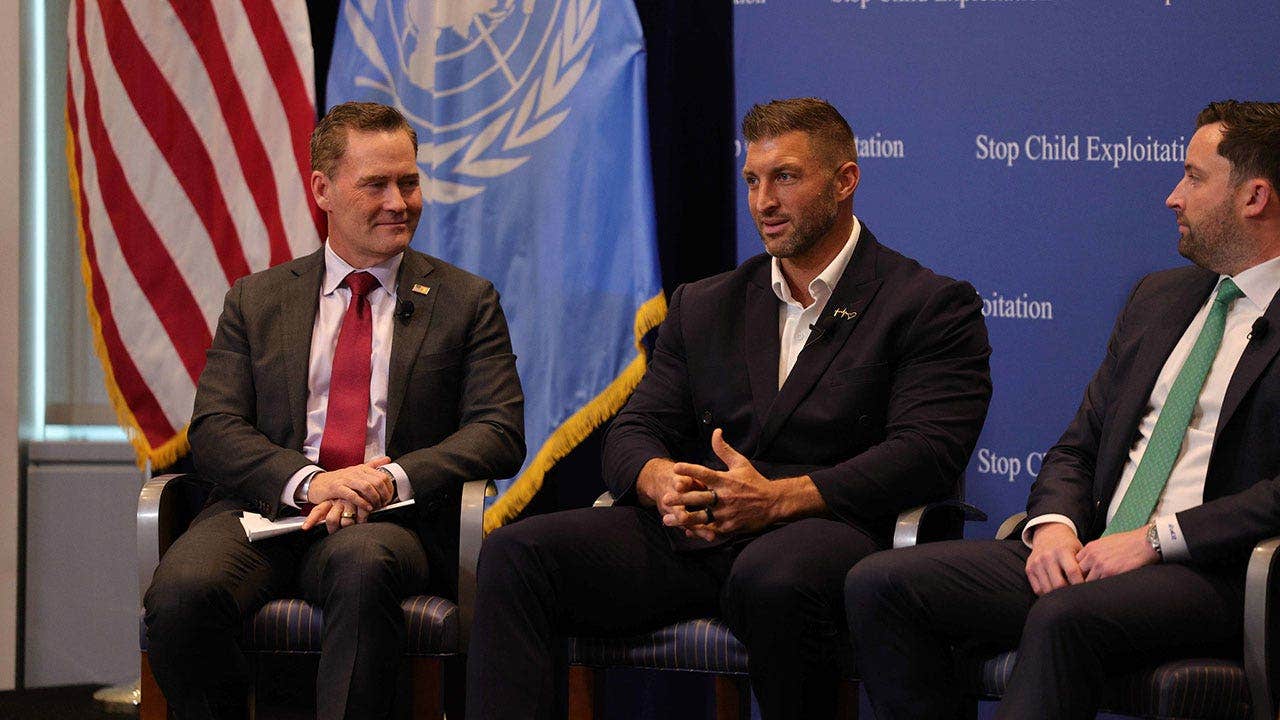
Facts: On July 18, 2026, Ambassador Mike Waltz and Tim Tebow participated in a briefing at the U.S. Mission to the U.N. announcing renewed international collaboration to combat online child exploitation; the event included government, law‑enforcement, and anti‑trafficking advocates and referenced recent operations, congressional funding, and a U.S.‑led U.N. resolution on online sextortion. Attributed claims: Tebow warned that exploitation is occurring ‘‘in their backyard’’ and urged parental vigilance; Waltz said many countries lack laws, extradition treaties, or trained investigators. Uncertainties: the article does not provide independent data on prevalence, specific details about the cited operations or funding amounts, or perspectives from survivors and international partner organizations.
Source and Framing Analysis
Source role and incentives: The story is primary reporting by Fox News focused on an event hosted in the U.S. Mission to the U.N., including direct quotes from U.S. officials and an American advocate. The framing centers U.S. leadership and the prominence of Tim Tebow as an advocate. Missing voices: survivors, independent anti‑trafficking NGOs (beyond Tebow’s foundation), officials from partner countries, and external experts on prevalence or policy impact are absent. Disputed or unverified points: references to "recent international operations" and "new funding from Congress" lack specifics that would allow outside verification. What to verify independently: the existence and scope of the referenced operations and funding, the text and sponsors of the cited U.N. resolution, and assessments from independent child‑protection experts.
Biblical Reflection
From a Christian perspective, the initiative reflects a clear moral imperative: protecting children and rescuing victims aligns with the biblical call to defend the vulnerable. The article reports legitimate, concrete steps — diplomacy, funding, training and coordinated investigations — that can help identify victims and prosecute offenders across borders. At the same time, the coverage includes urgent language and emotive warnings that can increase fear; readers should distinguish between measured policy description and alarmist framing. Christians should welcome increased cooperation and resources while asking whether responses address root causes (poverty, lack of legal frameworks, migration vulnerability) and provide long-term care and restoration for survivors. There are also ethical trade-offs to watch: expanding surveillance and digital investigations must be balanced with protections for due process and privacy so that anti-exploitation efforts do not create new harms. Overall, the piece promotes a just cause; Christians can support such work with prayer, advocacy for victim-centered policy, and practical mercy, while exercising discernment about rhetoric and policy consequences.
Scripture in context
- 1Matthew 18:1–6 — In this passage Jesus responds to questions about status in the kingdom by placing a child among the disciples as an example, warning that causing a child to stumble is grievous and that children have a special place in God’s care; historically it addresses communal humility and protection of the weak in the early church. — The passage calls the church to make protecting children a priority, to act decisively against those who harm them, and to foster communities where the vulnerable are visibly cared for rather than hidden behind rhetoric.
Faithful Response
Learn: Seek reliable, evidence‑based resources about online safety and local hotlines for reporting exploitation.
Support: Give time or funds to vetted, survivor‑centered organizations that provide rescue, shelter, and long‑term care.
Advocate: Urge elected officials to fund training and investigative capacity in cooperating countries and to ensure policies prioritize victims’ privacy and recovery.
Reflection and Discussion
- 1Which data or expert voices would change how I assess the scale and character of the online exploitation described here?
- 2How does emphasis on national leadership and celebrity advocacy shape public perception of an international problem?
- 3Am I responding out of fear or from informed compassion that centers survivors' dignity?
Sources
Reporting links are evidence inputs; Sanctuary News' biblical reflection is commentary.
This outlook currently relies on fewer than two linked sources. Broaden verification before teaching from it.
- 1.Waltz and Tebow Launch Global Fight Against Online Child Exploitationprimary_reporting