News Summary
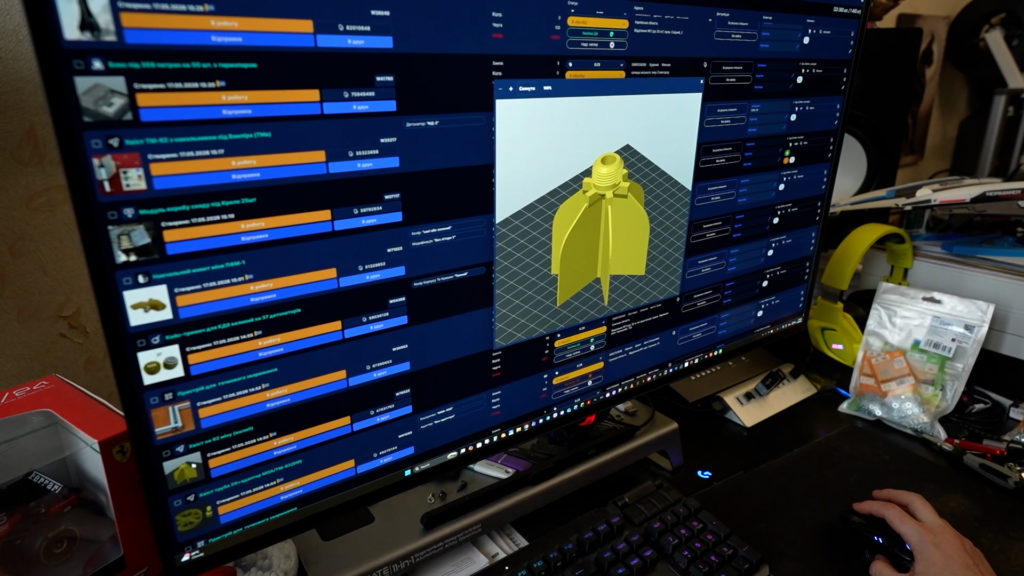
Reported facts: PBS NewsHour states that President Zelenskyy dismissed a tech-savvy defense minister last week and that the dismissal triggered protests among supporters; the piece focuses on technologies and policies credited with transforming Ukraine’s defense capabilities and reports that volunteers with 3D printers have been making weapons used in the conflict. Attributions and uncertainty: the article attributes the transformation in part to the dismissed minister and volunteer technology efforts as presented by supporters and interview subjects; it does not, in the text supplied, quantify the scale, types of weapons produced, legal oversight, or precise battlefield effects. Uncertainties remain about numbers of weapons produced, chains of custody, adherence to legal frameworks, and independent verification of battlefield impact.
Source and Framing Analysis
Material uncertainty: the supplied article summary emphasizes innovation and citizen involvement but lacks granular evidence on scale, types of weapons, safety standards, and the legal or command-and-control structures governing volunteer-made arms. Framing note: focusing on the tech-savvy minister and volunteer makers can valorize innovation and grassroots agency; readers should be aware that such framing may understate regulatory, ethical, and humanitarian risks tied to decentralized weapon production.
Biblical Reflection
This report presents a morally complex picture: volunteers and civilian technologists have mobilized tools and skills to support a nation under attack, which can reflect neighbor-love and a desire to protect the vulnerable. At the same time, the production of weapons outside formal military supply chains raises real ethical and practical concerns about accountability, escalation, and unintended consequences. Christians should neither romanticize technological innovation nor ignore the real need to defend innocent life.
The article’s framing emphasizes innovation and grassroots response; that highlights a worldview that treats technology as a neutral amplifier of human intention. A faithful Christian posture calls us to evaluate both ends and means: affirm efforts that genuinely protect civilians and seek justice, while insisting on transparency, restraint, and measures that reduce harm to noncombatants. Pastoral care must attend to the grief, trauma, and moral weight borne by communities and volunteers alike.
Practically, the story invites Christians to pray for wisdom for leaders and makers, to advocate for policies that protect civilians and limit proliferation, and to support humanitarian relief for those harmed by conflict. We must hold fast to truth and mercy together — resisting both uncritical praise of ingenuity and simplistic condemnation of those seeking to defend their neighbors.
Scripture in context
- 1Matthew 5:9 — Part of the Sermon on the Mount where Jesus speaks to attitudes and actions that characterize the kingdom life, calling for righteousness, mercy, and peacemaking amid conflict and social tension. — This passage calls Christians to prioritize peacemaking even while acknowledging injustice and threat; applied here it challenges believers to seek ways to protect the vulnerable that also pursue reconciliation, limit harm, and resist escalation.
Faithful Response
Pray for discernment for leaders, volunteers, and civilians affected by the conflict and for protection of noncombatants.
Support verified humanitarian relief and pastoral care for refugees and those wounded by the conflict.
Advocate for transparency and accountability in how civilian-made weapons are produced, distributed, and used, pressing both governments and volunteer groups to minimize civilian risk.
Educate your community about the ethical tensions between defending the vulnerable and the risks of proliferation, encouraging sober, informed conversation rather than polarizing rhetoric.
Reflection and Discussion
- 1Does our admiration for technological ingenuity blind us to the moral and practical risks it can bring in wartime contexts?
- 2How should Christians weigh short-term protection achieved by unconventional means against long-term risks to peace and civilian safety?
- 3What kinds of accountability and oversight would a faithful, neighbor-loving approach to civilian involvement in national defense require?
Sources
Reporting links are evidence inputs; Sanctuary News' biblical reflection is commentary.
This outlook currently relies on fewer than two linked sources. Broaden verification before teaching from it.
- 1.How volunteers with 3D printers make weapons for Ukraineprimary_reporting