News Summary
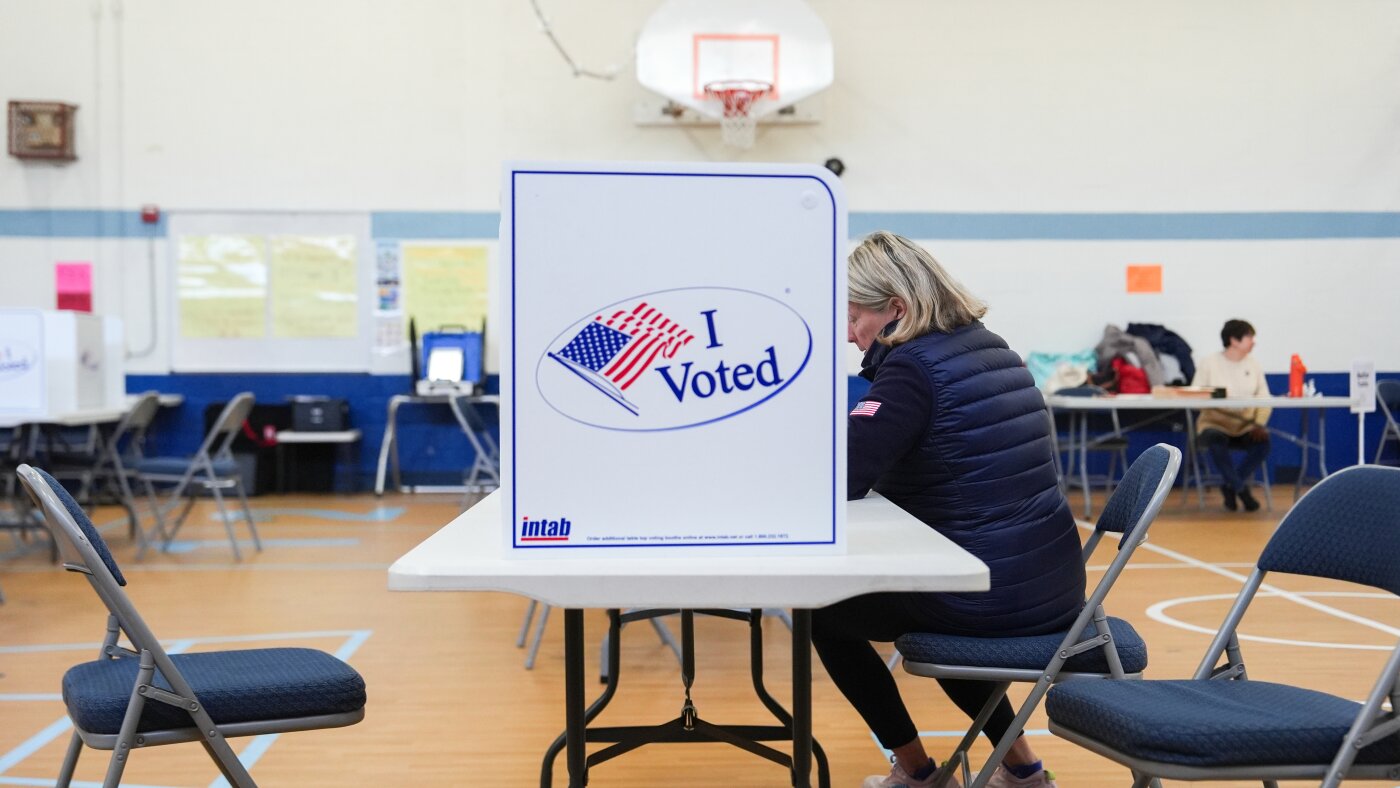
A narrow majority of Virginia voters approved a referendum that allows the Democratic-led state legislature to bypass the state’s bipartisan redistricting commission and redraw congressional district lines ahead of this year’s midterm election. With roughly 95% of results reported, the 'yes' side led by about three percentage points. Proponents say the new map could increase Democratic-held U.S. House seats in Virginia from six to as many as ten of the state’s 11 districts, potentially affecting national House control. Opponents and some Republican leaders have signaled legal challenges; the Virginia Supreme Court has pending cases that could prevent new maps from being used this year. The article places the vote in a national context of recent state-level redistricting conflicts (including actions in Texas, California, Missouri, North Carolina and expected action in Florida), and quotes campaign officials from both sides about the political implications and likely court battles.
Biblical Reflection
The article reports a partisan political outcome with immediate electoral implications. Biblically, Christians are called to value justice, honesty, and the common good (not partisan advantage). Redistricting that is pursued primarily to entrench one party’s power raises legitimate ethical concerns about fair representation — concerns Scripture addresses in its insistence on honest measures and care for neighbors. At the same time, political conflict and competition over governance are part of civic life; Christians should avoid automatic demonization of opponents and resist tribalism. The piece centers partisan consequences (how many seats change) and the tactical framing of bypassing a bipartisan commission; readers should note both the factual basis (the referendum’s text and vote margin) and the normative questions left largely unexplored by the report: whether the change promotes fair representation or merely partisan advantage, how voters understood the complex ballot messaging, and how the courts will adjudicate the legal disputes. Christians should watch for: (1) the integrity of processes (are legal and institutional checks functioning?), (2) the treatment of political rivals with truthfulness rather than slander, and (3) the long-term effects on civic trust and the vulnerable voices who may be marginalized by partisan map-making.
Scripture in context
This outlook does not yet include contextual Scripture citations. Do not treat a general biblical theme as an exegetical conclusion.
Faithful Response
No prescribed response is offered. Consider the reflection prompts below in your own church context.
Reflection and Discussion
- 1Does this change prioritize fair representation and the common good, or primarily partisan advantage? How can you tell from the available facts?
- 2What parts of the story rely on political outcome framing (who wins/loses) rather than questions of process, fairness, and legal integrity?
- 3How should Christians balance engagement in political processes with the biblical call to pursue justice, truth, and love for neighbor?
Sources
Reporting links are evidence inputs; Sanctuary News' biblical reflection is commentary.
This outlook currently relies on fewer than two linked sources. Broaden verification before teaching from it.
- 1.Original reportprimary