News Summary
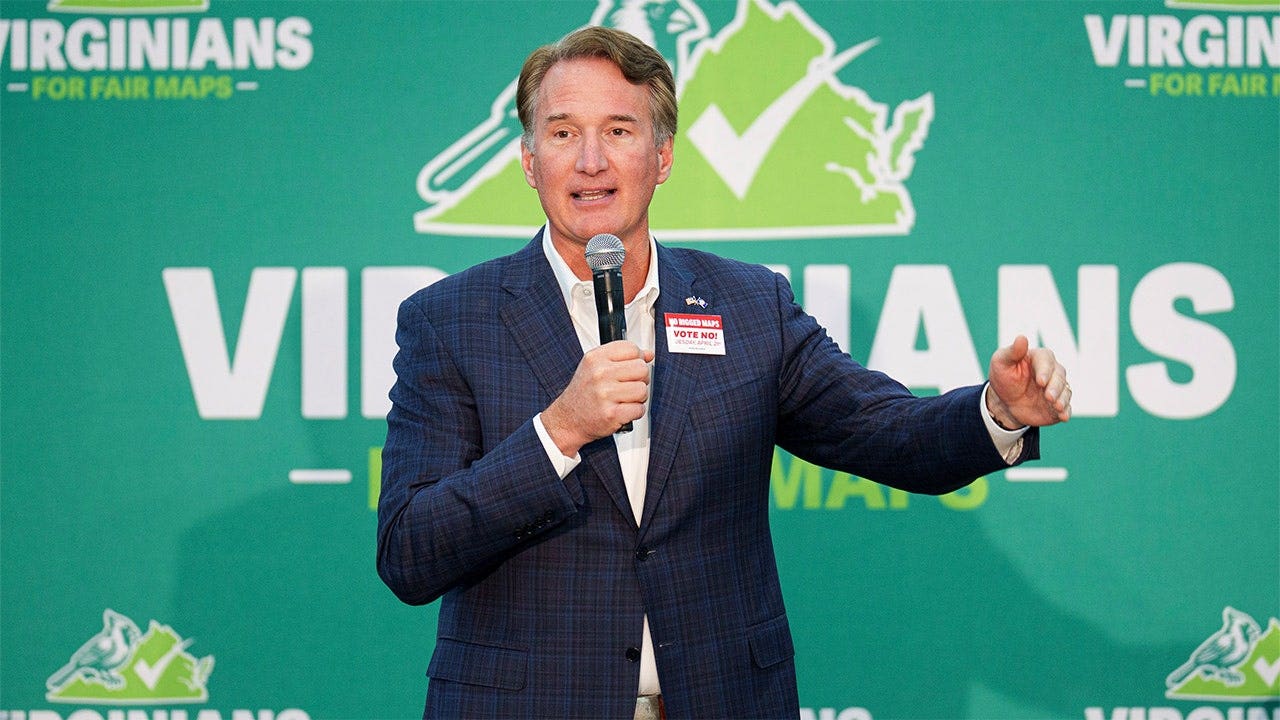
Virginia voters faced a referendum asking whether to temporarily return congressional redistricting authority to the Democrat-controlled state legislature (rather than the current nonpartisan commission) through the 2030 election cycle. Supporters say the change is a temporary response to partisan redistricting efforts in other states and would ‘level the playing field.’ Opponents, led publicly by Republican figures including former Gov. Glenn Youngkin and former Attorney General Jason Miyares, warned the measure would allow Democrats to draw highly partisan maps and could increase the party’s U.S. House advantage in Virginia (the article cites a possible shift from a 6-5 Democratic edge to as much as 10-1). The campaign included high-profile national involvement (former Presidents Barack Obama and Donald Trump publicly weighed in), large funding disparities (pro-referendum groups outraised opposition by roughly three-to-one, with much money from 501(c)(4) groups), and aggressive messaging from both sides accusing the other of unfairness or deception. Polling described in the article showed the vote was close despite the funding gap. The piece situates Virginia within a broader national struggle over mid-decade redistricting in several states and notes pending Supreme Court litigation (Louisiana v. Callais) that could further affect district maps nationwide.
Biblical Reflection
This story reflects the hard realities of partisan politics: both parties seek institutional levers that improve their electoral position, and rhetoric quickly moves from policy arguments to moral accusations. Christians should note two truths. First, the article documents competing claims backed by political actors, big money, and strategic messaging — meaning readers should look for independent evidence (map analyses, legal opinions, impartial polling) rather than accept partisan characterizations at face value. Second, Scripture calls believers to prize justice, honesty, and the common good over short-term partisan advantage. The language in the piece — “immoral,” “bait and switch,” “drunk with power,” and “power grab” — is primarily persuasive rhetoric intended to mobilize voters. The factual points worth holding: (1) the referendum would change who draws maps temporarily; (2) it is likely to have partisan consequences; and (3) large, often undisclosed funding is shaping public messaging. Christians should be wary of narratives that reduce civic life to zero-sum morality plays and instead ask whether proposed changes protect fair representation, voting rights, and the integrity of institutions that serve the whole community. At the same time, Christians must resist cynicism that assumes all actors are equally corrupt; advocacy for fair procedures and transparent processes is consistent with biblical commitments to truth, justice, and stewardship of civic responsibilities.
Scripture in context
This outlook does not yet include contextual Scripture citations. Do not treat a general biblical theme as an exegetical conclusion.
Faithful Response
No prescribed response is offered. Consider the reflection prompts below in your own church context.
Reflection and Discussion
- 1What evidence beyond partisan statements (map analyses, independent court rulings, nonprofit studies) would help you judge whether the proposed redistricting is fair or partisan?
- 2How does the article frame moral language and blame — who benefits from portraying this as an ethical failure rather than a policy dispute?
- 3Are we prioritizing short-term party advantage or the long-term health of representative institutions that protect minority voices and public trust?
Sources
Reporting links are evidence inputs; Sanctuary News' biblical reflection is commentary.
This outlook currently relies on fewer than two linked sources. Broaden verification before teaching from it.
- 1.Original reportprimary