News Summary
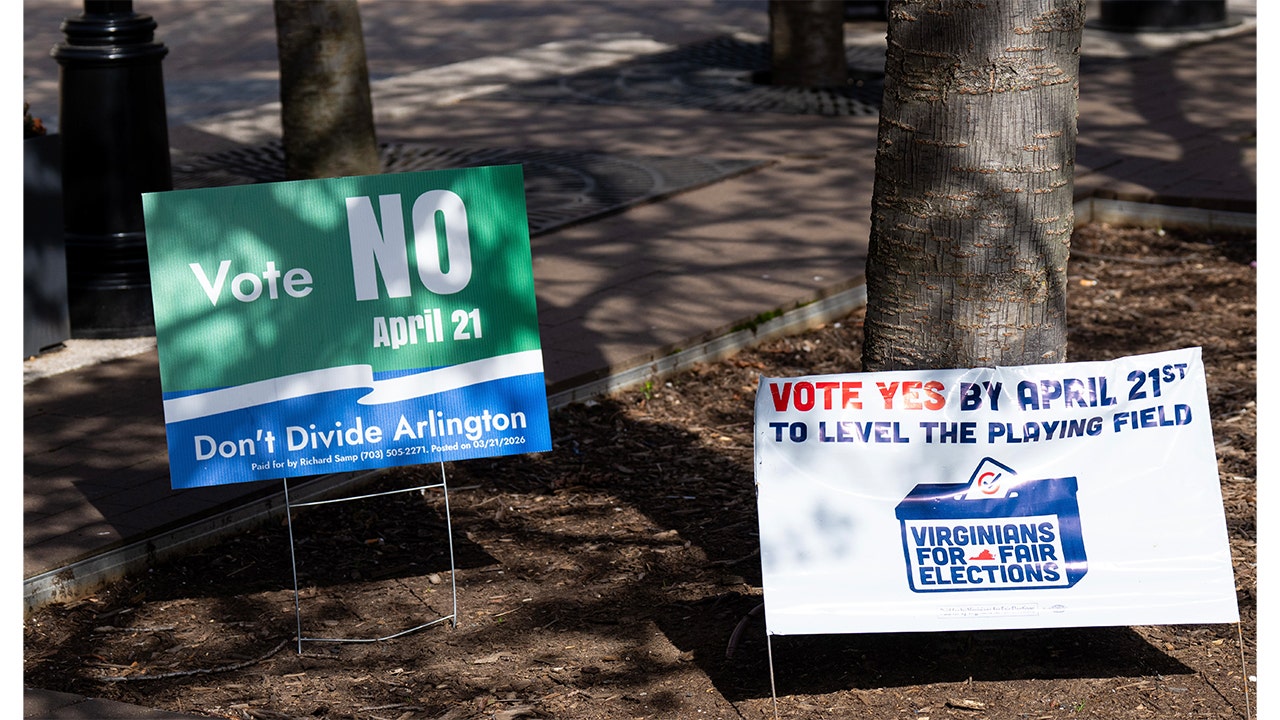
This opinion column reports on a Virginia referendum scheduled for April 21, 2026, that would amend the state constitution to adopt new U.S. House district maps. The proposed maps are projected by proponents and critics to change Virginia’s delegation from a 6-5 Democratic advantage to a possible 10-1 Democratic split. The article includes on-the-ground interviews with Virginia voters expressing confusion, frustration, and partisan concern. It notes that Governor Abigail Spanberger defended the referendum at the State Capitol and denied that Virginia is a "sanctuary state." The piece recounts Republican objections that the maps would disenfranchise many GOP voters and mentions that the Republican National Committee has filed a lawsuit challenging the redistricting push. The columnist frames the dispute as symptomatic of deep partisan division, warns that turnout and ground operations will determine the outcome, and suggests the referendum could have national political consequences.
Biblical Reflection
From a Christian perspective, this story highlights the dangers of fierce partisan loyalty and the corrosion of civic trust. Scripture repeatedly calls God's people to pursue justice, honesty, and the common good; when political processes appear engineered to advantage one faction, suspicion and grievance grow on all sides. This article is an opinion piece and reflects the author's interpretation and partisan concerns—some claims (for example, the exact electoral outcome if maps are adopted) are projections and contested in courts and public debate. Christians should note two truths: first, seeking fair and transparent representation is a legitimate public concern grounded in biblical justice (Proverbs and Micah emphasize fairness toward neighbors); second, tribal responses that excuse similar tactics when 'our side' benefits undermine the moral witness of believers. Evaluate claims by checking primary documents (the proposed maps, court filings, official statements) and by listening to the procedural and legal evidence rather than only partisan rhetoric. Pray and act for civic humility, truthfulness in public discourse, and protection of the vulnerable whose voices can be lost in zero-sum politics.
Scripture in context
This outlook does not yet include contextual Scripture citations. Do not treat a general biblical theme as an exegetical conclusion.
Faithful Response
No prescribed response is offered. Consider the reflection prompts below in your own church context.
Reflection and Discussion
- 1Are the article's strongest claims supported by primary sources (the proposed maps, legal filings, official statements), or are they mainly interpretive and rhetorical?
- 2How does partisan framing shape which facts are emphasized or omitted, and what would a charity-focused account of both sides look like?
- 3In what ways does the pursuit of political advantage conflict with the biblical call to seek justice and the common good?
Sources
Reporting links are evidence inputs; Sanctuary News' biblical reflection is commentary.
This outlook currently relies on fewer than two linked sources. Broaden verification before teaching from it.
- 1.Original reportprimary