News Summary
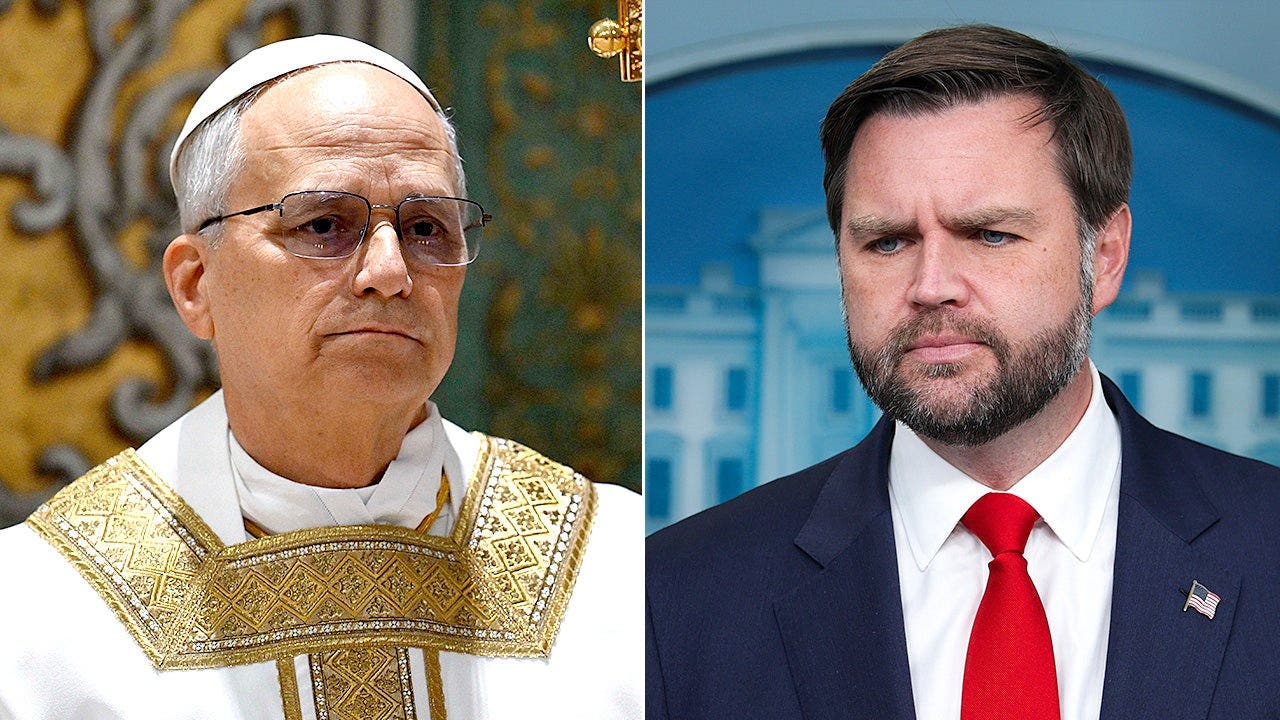
Vice President JD Vance, speaking on Fox News’ Special Report, responded to criticism from Pope Leo XIV of the Trump administration by saying the Vatican should "stick to matters of morality" and leave American public policy to U.S. leaders. Vance defended President Donald Trump after the president criticized the pope on Truth Social (calling him "WEAK on Crime, and terrible for Foreign Policy") and briefly posted then deleted an AI-generated image critics said depicted Trump as Jesus. The pope had publicly criticized U.S. rhetoric on Iran and emphasized the church’s message of peacemaking. Vance said clashes between the pope and the president are natural, affirmed respect for the pope’s religious authority, framed the deleted image as a misunderstood joke, and noted an ongoing working relationship between the U.S. administration and the Vatican. The article reports these statements and the context of the exchanges without independent verification of characterizations like the president’s intent behind the post.
Biblical Reflection
Christians should recognize two distinct but related responsibilities: religious leaders have a vocation to speak prophetic moral truth, and civil leaders bear responsibility for public policy and the common good. The article presents a partisan defense of a president and frames the pope’s interventions as inappropriate political interference; that framing reflects a worldview that privileges political sovereignty and often construes moral critique as overreach. Scripture and Christian tradition allow for public moral witness by religious leaders (calling leaders to justice, peace, and care for the vulnerable) while also recognizing the authority of governing institutions. Christians should therefore weigh both the content of the pope’s moral concerns (e.g., peace, protection of the vulnerable) and the political motives and rhetoric used by politicians defending themselves. Pay attention to tone and tactic: dismissing moral critique as mere interference or labeling religious speech as partisan can avoid engaging the substance of the concerns. Likewise, leaders who mock religious figures or use religious imagery for political ends risk diminishing the church’s moral voice and confuse discipleship with partisanship.
Scripture in context
This outlook does not yet include contextual Scripture citations. Do not treat a general biblical theme as an exegetical conclusion.
Faithful Response
No prescribed response is offered. Consider the reflection prompts below in your own church context.
Reflection and Discussion
- 1When a religious leader speaks on matters like war, migration, or human dignity, are we evaluating the moral content of that speech or automatically treating it as partisan interference?
- 2How might political leaders use appeals to ‘separation’ to dismiss conscience-based moral critique without addressing the underlying ethical concerns?
- 3Are Christian leaders and citizens guarding the church’s prophetic voice from co-option by partisan politics while also honoring legitimate civic authority?
Sources
Reporting links are evidence inputs; Sanctuary News' biblical reflection is commentary.
This outlook currently relies on fewer than two linked sources. Broaden verification before teaching from it.
- 1.Original reportprimary