News Summary
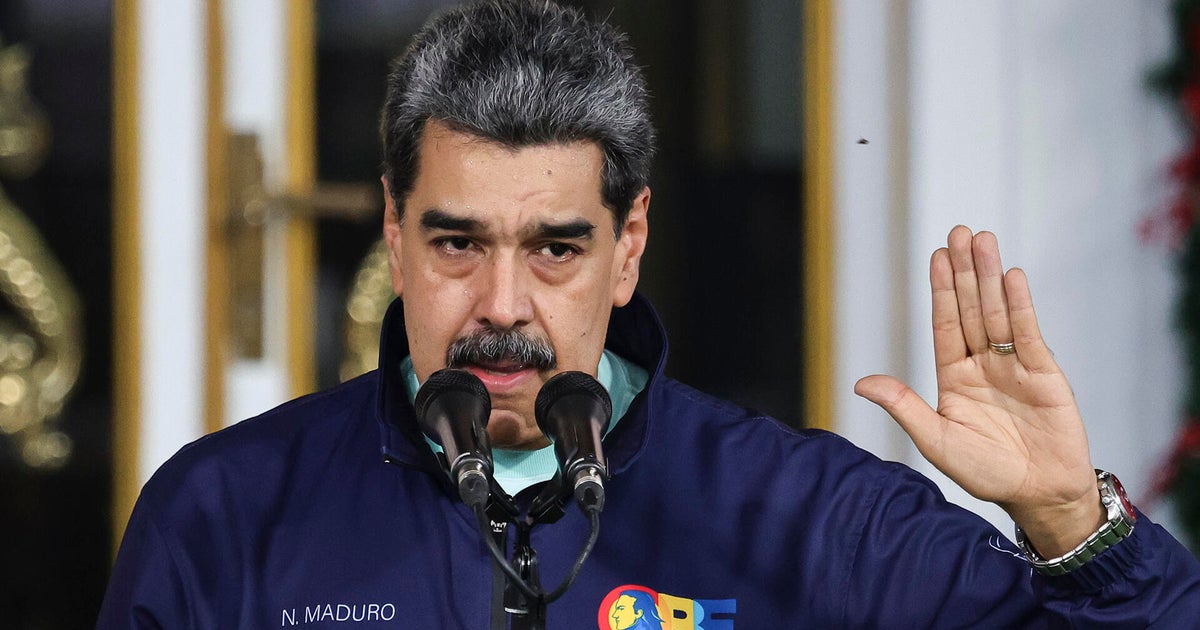
The article outlines a recent large-scale U.S. military strike in Venezuela, resulting in the capture of President Nicolas Maduro and his wife, who are to face criminal charges in the United States. The piece situates this intervention within a longstanding pattern of U.S. military involvement in Latin America, dating back to the Cold War. The article recounts notable interventions, including the 1954 coup in Guatemala, the 1961 Bay of Pigs invasion in Cuba, the 1965 intervention in the Dominican Republic, support for military dictatorships in the 1970s (notably in Chile and Argentina), covert and overt support for armed groups and governments in Nicaragua and El Salvador during the 1980s, Operation Urgent Fury in Grenada in 1983, and the capture of Panamanian leader Manuel Noriega in 1989. In each case, the U.S. justified its actions as efforts to combat communism, protect U.S. interests, or respond to regional security threats. The article notes the significant loss of life and controversy surrounding these interventions and highlights the continuity of such actions up to the present day.
Biblical Reflection
Viewed through the lens of Scripture, the recurring pattern of foreign intervention and the use of military force to achieve national interests raises serious ethical and spiritual questions. Scripture calls us to seek justice, love mercy, and walk humbly with God (Micah 6:8), and to be peacemakers (Matthew 5:9). The persistent resort to military intervention, often resulting in significant civilian suffering and the destabilization of nations, stands in tension with Christ's teachings on loving one's neighbor, reconciliation, and the pursuit of peace. While governments are tasked with maintaining order and justice (Romans 13), the repeated use of force for the advancement of political or economic interests, rather than genuine humanitarian concern, risks violating the biblical mandate to protect the vulnerable and pursue peace. Throughout history, unchecked power and self-interest have led to oppression and suffering—realities the prophets condemned. Christians are called to critically assess the motives and fruits of such actions, advocate for peaceful solutions, and pray for leaders to act with wisdom, humility, and justice. The article serves as a sobering reminder to examine national conduct not only through the lens of strategic interests but in light of Christ's radical call to love, justice, and peacemaking.
Scripture in context
This outlook does not yet include contextual Scripture citations. Do not treat a general biblical theme as an exegetical conclusion.
Faithful Response
No prescribed response is offered. Consider the reflection prompts below in your own church context.
Reflection and Discussion
- 1How do I respond, as a follower of Christ, when nations use force to achieve their goals?
- 2In what ways can I be a voice for peace and justice in a world marked by conflict and intervention?
- 3Do I pray for leaders—both domestic and international—to govern with wisdom, humility, and a commitment to genuine justice?
Sources
Reporting links are evidence inputs; Sanctuary News' biblical reflection is commentary.
This outlook currently relies on fewer than two linked sources. Broaden verification before teaching from it.
- 1.Original reportprimary