News Summary
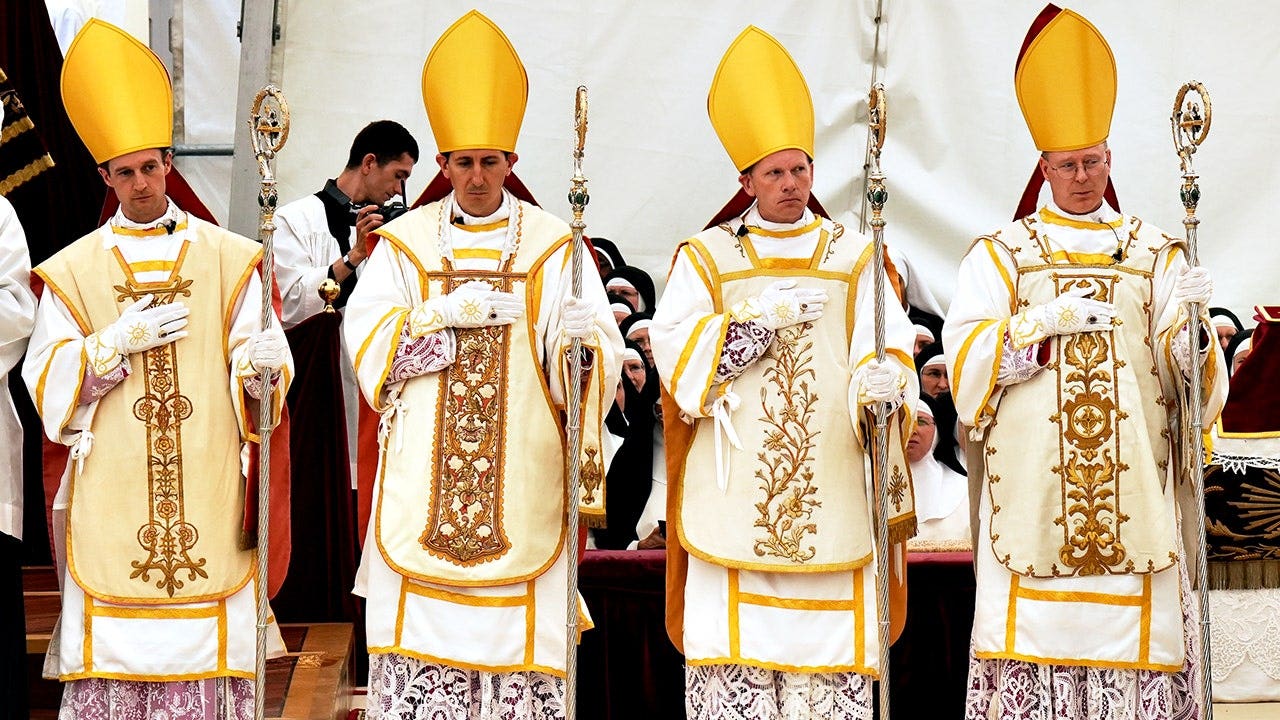
The Vatican declared the Society of St. Pius X (SSPX) in schism and issued excommunications after the SSPX consecrated four new bishops at its Écône seminary on July 1, 2026, without papal approval. The decree named the four newly consecrated bishops and the two bishops who conducted the ceremony as subject to excommunication and described the ordinations as a schismatic act. Pope Leo XIV had personally appealed to SSPX leader Fr. Davide Pagliarani to cancel the consecrations. The Vatican said it was reversing prior concessions to the SSPX, declared the group can no longer validly administer the sacraments of confession and marriage, and urged Catholics attending SSPX Masses to separate themselves from the movement. The SSPX says it acted out of loyalty to the pope and fidelity to tradition. The society was founded by Archbishop Marcel Lefebvre; a near-identical unauthorized consecration in 1988 previously led to excommunications that were later lifted in 2009 as part of reconciliation efforts. The SSPX continues to operate internationally with hundreds of priests, seminarians, and followers in dozens of countries.
Biblical Reflection
This is a pastoral and canonical confrontation between Rome's claim to preserve visible unity and a movement that prioritizes older liturgical and doctrinal practices. From a Christian perspective, the Vatican's action underscores the seriousness with which ecclesial authority protects apostolic order and sacramental integrity. At the same time, the SSPX's appeal to conscience and tradition reminds Christians that pastoral alienation and sincere theological concerns can drive people toward separation. The article presents the Vatican decision and the SSPX response but gives limited attention to ordinary faithful affected by the rupture or to concrete steps toward reconciliation beyond discipline. Readers should note the piece frames the event primarily as a governance and unity issue rather than exploring deeper pastoral wounds, social consequences for local communities, or the theological arguments involved. Christians should hold both justice (truth about authority and sacraments) and mercy (efforts at reconciliation and care for the faithful) as they judge this dispute, resisting tribalizing impulses that treat one side as wholly right and the other as wholly wrong.
Scripture in context
This outlook does not yet include contextual Scripture citations. Do not treat a general biblical theme as an exegetical conclusion.
Faithful Response
No prescribed response is offered. Consider the reflection prompts below in your own church context.
Reflection and Discussion
- 1When authority and conscience conflict, how do we discern fidelity to Christ without hardening our hearts against those who disagree?
- 2What steps toward reconciliation and pastoral care are missing from public accounts of ecclesial conflicts like this one?
- 3Does the coverage center institutional authority at the expense of the pastoral well-being of ordinary believers affected by the split?
Sources
Reporting links are evidence inputs; Sanctuary News' biblical reflection is commentary.
This outlook currently relies on fewer than two linked sources. Broaden verification before teaching from it.
- 1.Original reportprimary