News Summary
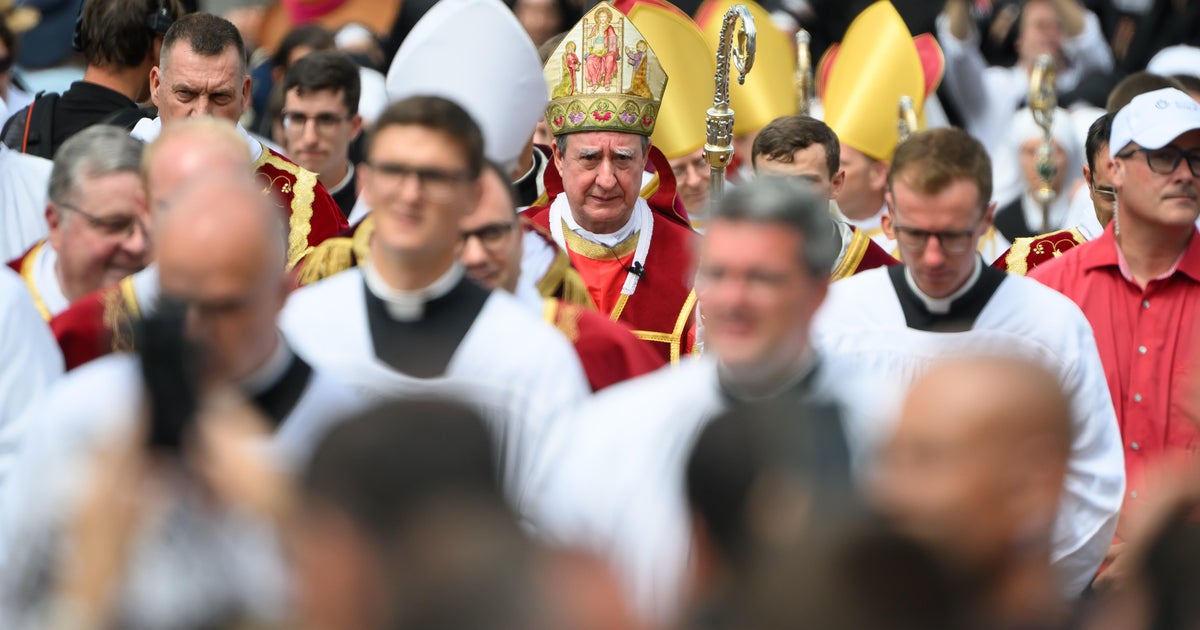
The Vatican announced that six bishops associated with the Society of Saint Pius X (SSPX) incurred automatic (latae sententiae) excommunication after two SSPX bishops consecrated four new bishops without papal approval in Écône, Switzerland. The Vatican described the consecrations as a schismatic act and said the two consecrating bishops and the four newly ordained bishops (including one American) are subject to excommunication. The Holy See also revoked faculties previously granted to SSPX priests to validly witness confessions and marriages, warned that formal alignment with the SSPX places members outside full communion, and expressed sorrow while praying for eventual reconciliation. Pope Leo XIV had written a personal appeal to the SSPX Superior General asking them to turn back before the consecrations. The article notes the SSPX’s history: founded in the 1970s by Archbishop Marcel Lefebvre in reaction to Vatican II reforms, a similar unauthorized consecration in 1988 led to excommunications later partially lifted, and today the SSPX is a global movement estimated at about 600,000 adherents (25,000 in the U.S.). Approximately 15,000 people attended the Écône consecrations.
Biblical Reflection
This is primarily an internal ecclesial conflict about authority, sacramental order, and how to preserve tradition. The Vatican’s actions reflect a priority on institutional unity and canonical norms—particularly the pope’s exclusive role in episcopal consecrations—and the Holy See frames the consecrations as schismatic to protect sacramental integrity and communal communion. The SSPX’s motivations — a desire to preserve older liturgical forms and perceived doctrinal clarity — arise from sincere religious conviction, but acting outside recognized authority risks fracturing communion and depriving people of assuredly valid sacraments and pastoral care. The article’s language (e.g., “ultra‑conservative”) is a descriptive label that can shape readers’ impressions; the factual reporting of excommunication and revoked faculties is clear, but readers should note the story centers Vatican authority and institutional consequences more than pastoral experiences of lay SSPX members. Christians called to truth and mercy should mourn the rupture, critique actions that damage unity, and pray for repentance and reconciliation, while also holding leaders accountable to shepherd the flock faithfully and charitably.
Scripture in context
This outlook does not yet include contextual Scripture citations. Do not treat a general biblical theme as an exegetical conclusion.
Faithful Response
No prescribed response is offered. Consider the reflection prompts below in your own church context.
Reflection and Discussion
- 1When church leaders and communities disagree deeply, how should Christians weigh obedience to institutional authority against conscience and attachment to tradition?
- 2Who bears the pastoral responsibility when institutional discipline cuts people off from sacraments, and how should the wider church care for those affected?
- 3How does the language used by media and church statements shape our perception of conflict—does it point us toward reconciliation or deepen division?
Sources
Reporting links are evidence inputs; Sanctuary News' biblical reflection is commentary.
This outlook currently relies on fewer than two linked sources. Broaden verification before teaching from it.
- 1.Original reportprimary