News Summary
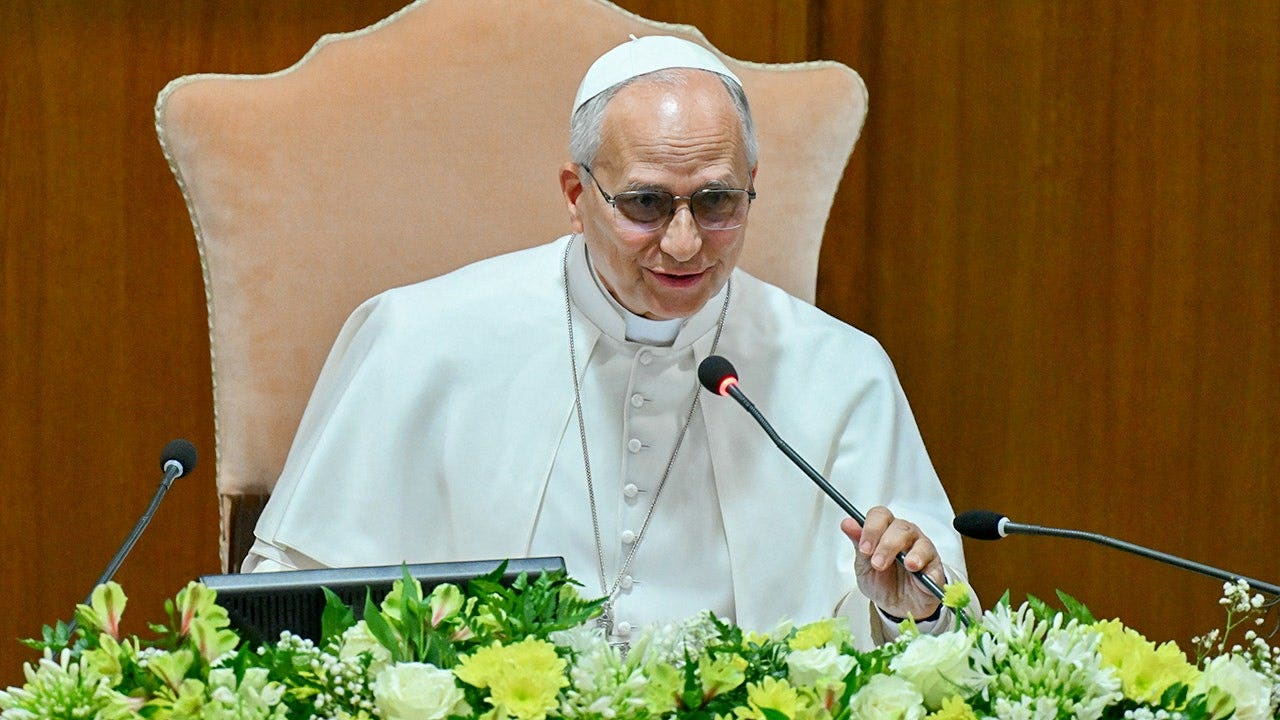
The Vatican published a new papal encyclical titled "Magnifica Humanitas," authored by Pope Leo (referred to in coverage as Pope Leo XIV). In the document the pope warns that artificial intelligence could become a tool of "domination, exclusion and death" unless governments and institutions set moral limits. The encyclical likens the current AI moment to the Industrial Revolution and invokes Pope Leo XIII’s 1891 encyclical Rerum Novarum. It raises specific concerns about increasingly autonomous weapons that may be "beyond meaningful human control," and about biased algorithms that could block access to healthcare, employment, and security. The pope compares AI governance to nuclear arms control, says disarming AI alone is insufficient, and urges building systems rooted in trust and human dignity. He also called for vigilance, warning humanity not to surrender moral judgment to machines and reiterating that persons possess interior freedom and a vocation no machine can replace.
Biblical Reflection
The encyclical frames AI primarily as a moral and human-dignity issue rather than a purely technical one. That emphasis aligns with core Christian convictions: humans are made in God's image, possess intrinsic worth, and must not be treated as mere means. The pope's call for moral limits and public governance is consistent with Christian concern for the vulnerable—those most likely to be excluded or harmed by biased systems or weaponization. At the same time, the document is a theological-pastoral intervention, not a technical policy paper; it intentionally highlights risks and moral principles rather than exhaustive empirical analysis. Readers should note that the Vatican's warnings invite prudence and advocacy for justice, but they do not demand Luddite rejection of all technology. Christian wisdom here looks for a balanced posture: defend human dignity, insist on accountability and regulation, engage technological development with humility and hope, and resist fear-driven surrender of moral responsibility to opaque systems.
Scripture in context
This outlook does not yet include contextual Scripture citations. Do not treat a general biblical theme as an exegetical conclusion.
Faithful Response
No prescribed response is offered. Consider the reflection prompts below in your own church context.
Reflection and Discussion
- 1Who stands to gain and who stands to lose most from the deployment of a given AI system, and how does that align with Christian concern for the vulnerable?
- 2Are we in danger of treating algorithmic outcomes as moral authorities rather than subjects for human judgment and compassion?
- 3How does the church's call for moral limits on technology reshape public conversations about regulation, security, and the common good?
Sources
Reporting links are evidence inputs; Sanctuary News' biblical reflection is commentary.
This outlook currently relies on fewer than two linked sources. Broaden verification before teaching from it.
- 1.Original reportprimary