News Summary
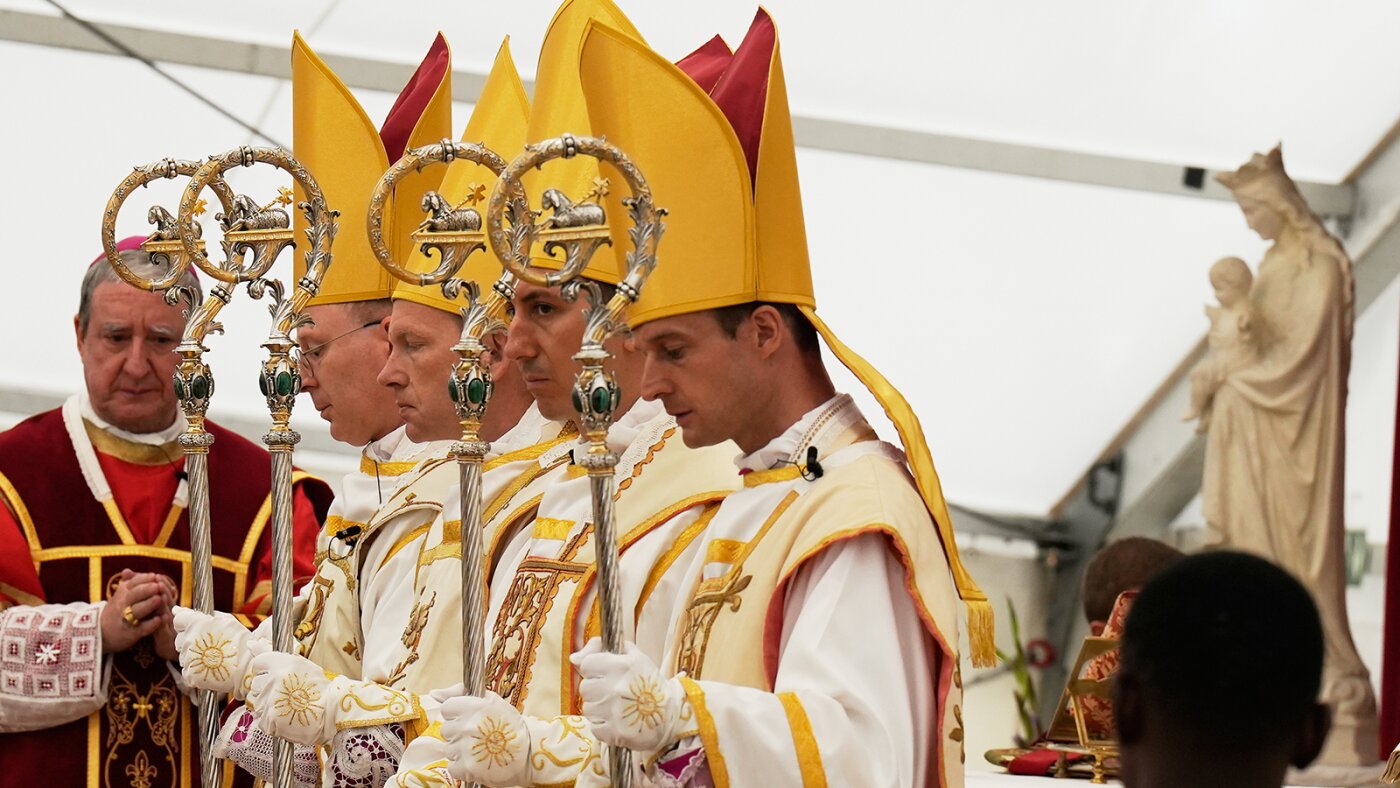
The Vatican announced July 2 that the Society of St. Pius X (SSPX) incurred schism and excommunication after the group went ahead with ordaining four bishops without papal approval at its seminary in Écône, Switzerland. The Vatican had warned the SSPX that such consecrations would be schismatic and automatically incur excommunication; the July 2 decree named the newly appointed bishops, the two consecrating bishops, priests of the SSPX and lay Catholics who "adhere formally" to the society as in schism. The decree says the SSPX now administers sacraments illicitly and can no longer officiate marriages or hear valid confessions. The SSPX justified the consecrations by citing a perceived state of necessity to preserve clergy numbers; the society opposes Second Vatican Council reforms and emphasizes traditional Latin liturgy. The society has an estimated 800 churches in 77 countries, roughly 1,482 vocational members (including 733 priests and 264 seminarians), and an estimated 150,000–200,000 lay followers. Pope Leo had earlier urged the SSPX leadership to stop and offered a path for reconciliation; the Vatican statement still leaves open the possibility of restoring communion for those who return to the church. The event marks a sharp rupture in long-running, decades-long tensions and dialogue between the Holy See and the SSPX.
Biblical Reflection
From a pastoral Christian perspective, this is a painful fracture within the body of Christ. The Vatican action emphasizes the seriousness with which the church treats visible unity and canonical authority; the SSPX action reflects a conviction that preserving doctrinal and liturgical tradition justified disobedience. Both sides claim fidelity to truth: Rome appeals to sacramental order and corporate unity, while SSPX leaders appeal to doctrinal purity and conscience. The article fairly reports both the Vatican's legal consequences and the SSPX’s self-justifications, but it could understate the pastoral consequences for ordinary faithful caught between loyalty to tradition and communion with the wider church. Christians should be cautious about either romanticizing dissent as heroic purity or treating institutional authority as beyond accountability; Scripture calls the church to truth and reconciliation, and both truth and charity must guide responses. Pastoral priorities now include care for lay people whose sacramental life and marriages are affected, efforts to speak truth with humility to those who felt marginalized by reforms, and renewed attempts at patient, courageous reconciliation rather than triumphalism on either side.
Scripture in context
This outlook does not yet include contextual Scripture citations. Do not treat a general biblical theme as an exegetical conclusion.
Faithful Response
No prescribed response is offered. Consider the reflection prompts below in your own church context.
Reflection and Discussion
- 1When institutional authority and theological conviction conflict, how do we weigh obedience, conscience, and the call to preserve unity?
- 2What ways do nostalgia for past practices and fear of change influence people’s spiritual decisions, and how can leaders address those fears pastorally?
- 3Who will bear the pastoral costs of this rupture, and how should the wider church prioritize care for those whose sacramental access and community life are disrupted?
Sources
Reporting links are evidence inputs; Sanctuary News' biblical reflection is commentary.
This outlook currently relies on fewer than two linked sources. Broaden verification before teaching from it.
- 1.Original reportprimary