News Summary
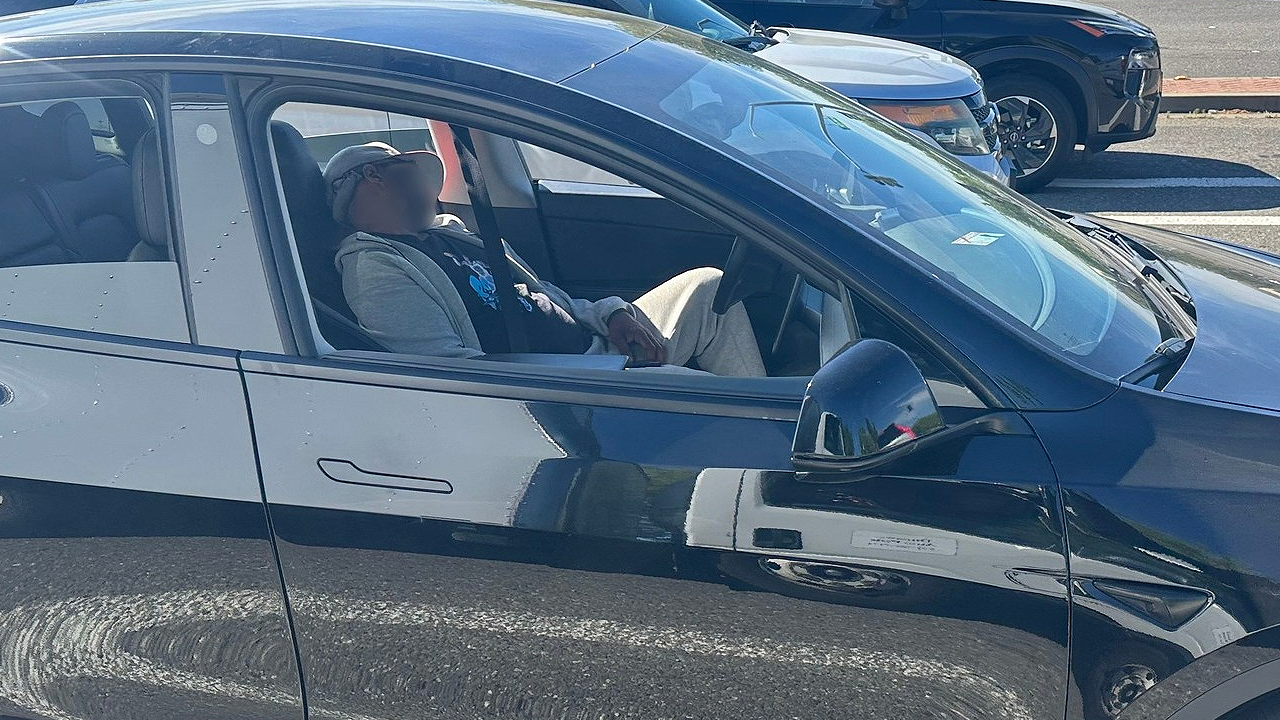
In Vacaville, California, police responded after a 911 call reporting a driver who appeared passed out behind the wheel of a vehicle that continued moving through city streets. Officers tracked and stopped the vehicle near Elmira Road and Shasta Drive. Photos released by the Vacaville Police Department showed the driver slumped in the seat and items in the car including an open box of wine, a partially consumed bottle, and scattered takeout food. Investigators determined the driver was under the influence of alcohol and marijuana and arrested him on suspicion of driving under the influence (DUI). The police noted that newer vehicles may have assistive driving features but warned these are not substitutes for a sober, alert driver. The department credited the 911 caller and responding officers with preventing a potentially dangerous crash. Social media responses included praise for the caller and officers and commentary about vehicle situational awareness.
Biblical Reflection
From a Christian perspective this incident surfaces several moral and practical concerns. First, the immediate facts point to individual responsibility: operating a vehicle while impaired endangers neighbors (Luke 10:27 — love your neighbor). Technology that can steer or brake may reduce some risks, but it does not remove the moral obligation to exercise sobriety, self-control, and prudence. The article's focus on the dramatic image of a ‘self-driving car’ continuing to move can tempt readers toward sensationalism—either praising technology as savior or mocking the driver—while obscuring deeper issues like addiction, mental health, and the need for pastoral care and rehabilitation for the person arrested.
The piece is factual in its core reporting (what happened, what police found, and the arrest), but it omits follow-up context that Christians should notice: there is no reporting on the driver’s welfare, whether he has substance-use history, or what support or due process will follow. The release of photos by police and the social-media framing can serve public safety but also risks shaming. Scripture calls for both accountability and restoration: authorities exist to protect the public and uphold justice, while the community must remember compassion for those who have harmed others through their sins. As Christians we should hold together justice (removing a dangerous driver from the road) and mercy (seeking the offender’s restoration and any needed medical or addiction support). Finally, this story prompts sober reflection about our reliance on technology; we should be neither uncritically techno-utopian nor unduly fearful, but wise stewards who ensure devices serve human flourishing without enabling neglect of moral duties.
Scripture in context
This outlook does not yet include contextual Scripture citations. Do not treat a general biblical theme as an exegetical conclusion.
Faithful Response
No prescribed response is offered. Consider the reflection prompts below in your own church context.
Reflection and Discussion
- 1Does the article focus more on the dramatic aspects (pictures, technology angle) than on the human needs behind the behavior—addiction, mental health, or medical emergency—and what does that framing encourage us to feel or do?
- 2How does the presence of assistive driving technology change our moral expectations for personal responsibility, and does the coverage treat technology as a complete solution or merely a partial safeguard?
- 3Are we responding with healthy accountability (protecting public safety and supporting lawful consequences) while also remembering the Christian call to restoration for those who have harmed others?
Sources
Reporting links are evidence inputs; Sanctuary News' biblical reflection is commentary.
This outlook currently relies on fewer than two linked sources. Broaden verification before teaching from it.
- 1.Original reportprimary