News Summary
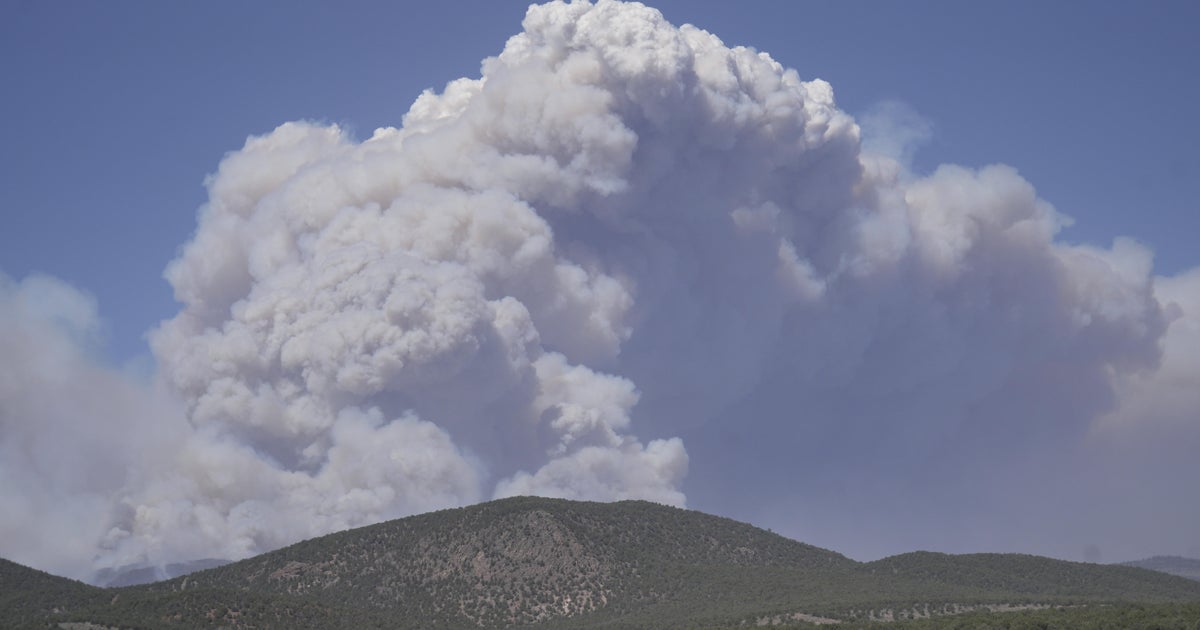
A rapidly growing wildfire called the Cottonwood Fire began Monday in sparsely populated southern Utah and expanded to more than 112 square miles (nearly 72,000 acres) by Friday, with 0% containment; strong winds grounded air support and produced extreme fire behavior including crown runs and spotting. Utah had 10 active wildfires burning more than 144,700 acres statewide; the Cottonwood Fire damaged the Eagle Point ski resort in Beaver County and prompted mandatory evacuations and evacuation warnings for roughly 1,300 residents in Marysvale, Junction and Circleville. The state issued a declaration of emergency and Gov. Spencer Cox set temporary fireworks restrictions through July 5. The National Weather Service office in Salt Lake City issued a rare “Particularly Dangerous Situation” warning for five counties and red flag warnings covered much of the state as forecasters predicted sustained winds of 25–35 mph and gusts up to 45 mph. Rocky Mountain Power issued a public safety power shut-off watch/warning for parts of Utah; federal land managers closed public lands near the fire. Utah has experienced 376 wildfires so far this year, with state data reporting 273 caused by humans. Drought conditions across much of Utah and the region were noted, and nationally nearly 3 million acres have burned this year, exceeding the 10-year average.
Biblical Reflection
This report documents a regional emergency that combines natural forces (heat, wind, drought) with human activity. The article largely presents facts, eyewitness accounts and official actions without strong editorializing; it highlights immediate harms—property loss, evacuations, grounded air support—while noting scientists’ warnings about the persistence of extreme fire behavior. From a Christian perspective, the situation calls for sober truth-telling about causes and consequences, compassionate response toward those who lost homes and livelihoods, and humble stewardship of creation. The piece underlines human responsibility (most Utah fires this year are human-caused) but does not deeply explore longer-term policy or systemic causes such as land management practices or climate trends; readers should avoid simplistic blame while still acknowledging human culpability and the need for structural prevention. The governor’s restrictions and utility shut-off warnings show public authorities balancing individual freedoms (fireworks, power access) with protecting neighbors and infrastructure—an example of loving the neighbor by limiting risky behaviors in a crisis. Christians should be alert to opportunities for practical mercy (support for evacuees, volunteer disaster relief), advocacy for wise stewardship and prevention, and patient prayerful presence, resisting sensationalism while urging policies that reduce future harm.
Scripture in context
This outlook does not yet include contextual Scripture citations. Do not treat a general biblical theme as an exegetical conclusion.
Faithful Response
No prescribed response is offered. Consider the reflection prompts below in your own church context.
Reflection and Discussion
- 1Are we noticing both immediate causes (human ignition, fireworks) and systemic contributors (drought, land and climate factors) when we evaluate responsibility and solutions?
- 2How does the balance between individual freedom and the common good play out in emergency measures like fireworks bans and power shut-offs?
- 3What concrete ways can our community and church show mercy and help rebuild, without skipping honest conversations about prevention and stewardship?
Sources
Reporting links are evidence inputs; Sanctuary News' biblical reflection is commentary.
This outlook currently relies on fewer than two linked sources. Broaden verification before teaching from it.
- 1.Original reportprimary