News Summary
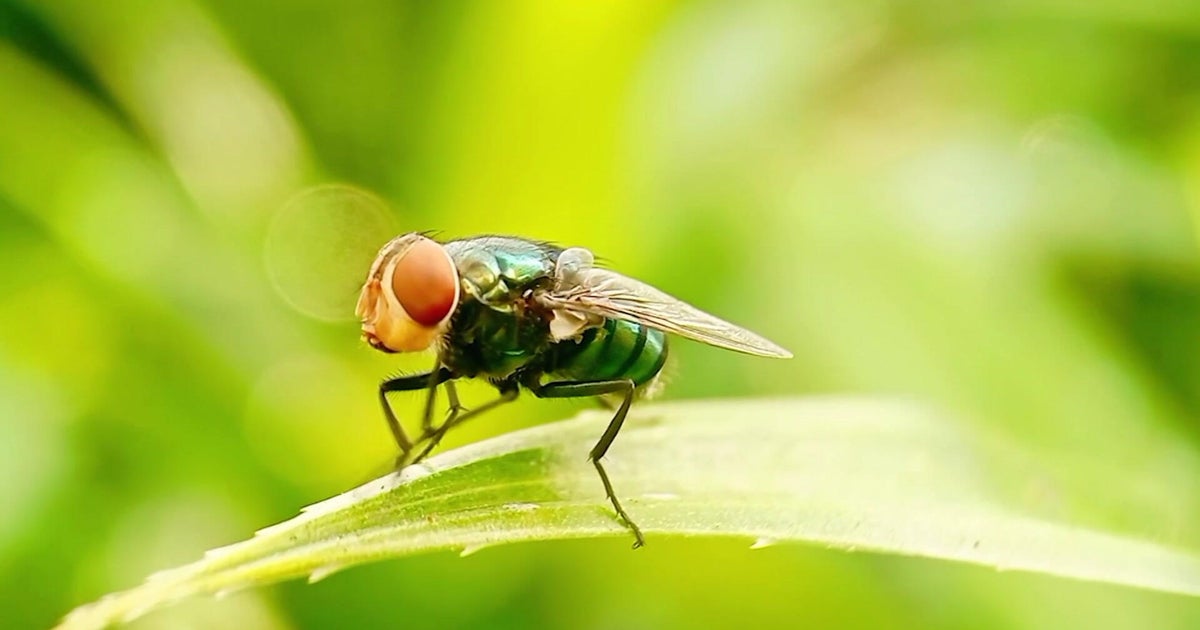
The U.S. Department of Agriculture reported that a New World screwworm infestation was detected in a 5-year-old goat in Coahuila state, Mexico, approximately 25 miles from the U.S. border. USDA data show 32 screwworm cases tracked in Coahuila (19 currently active). Across Mexico, at least 26,216 cases have been identified with roughly 2,700 active. The USDA posts updates twice weekly on cases found within 400 miles of the U.S. and states the pest is not currently present in the United States and the current risk to people and animals in the U.S. remains very low. The parasite has been detected progressively closer to the U.S. in recent years; an April detection occurred about 60 miles from the border. Texas officials have issued warnings since late 2024. The CDC describes the screwworm as a parasitic fly that lays eggs in open wounds or natural orifices of warm-blooded animals; larvae consume living tissue. Last year a traveler returning to Maryland from El Salvador was diagnosed with a screwworm infestation in the U.S.; that person recovered and no onward transmission was found.
Biblical Reflection
The article reports an agricultural and public-health development using official sources (USDA, CDC) and contains factual details that could naturally cause concern. The use of vivid terms like "flesh-eating" is technically accurate per the CDC description but can amplify fear; the report balances that by citing the USDA's assessment that risk to the U.S. remains very low. From a Christian perspective, truth-telling matters: it's right to inform communities about real threats so people can act prudently without panic. Christians are called to steward creation and care for neighbors — that includes supporting measures to protect livestock livelihoods, cooperating with public-health authorities, and responding compassionately to affected people and farmers on both sides of the border. The situation also exposes limits of national boundaries in the face of biological issues and points to the need for cross-border cooperation and humility in scientific and agricultural responses. Beware of sensational framing that prioritizes fear over clear guidance; instead, favor measured attention, prayer, and practical help for those directly impacted.
Scripture in context
This outlook does not yet include contextual Scripture citations. Do not treat a general biblical theme as an exegetical conclusion.
Faithful Response
No prescribed response is offered. Consider the reflection prompts below in your own church context.
Reflection and Discussion
- 1Does the article balance frightening language with context about actual risk, or does wording risk inflaming anxiety beyond the factual threat?
- 2How does the steady northward spread of this pest challenge assumptions about borders and our responsibility to cooperate across nations for public and animal health?
- 3What indicators should shape our trust in the sources cited (USDA, CDC), and how should Christians weigh low-probability, high-impact risks in public conversation?
Sources
Reporting links are evidence inputs; Sanctuary News' biblical reflection is commentary.
This outlook currently relies on fewer than two linked sources. Broaden verification before teaching from it.
- 1.Original reportprimary