News Summary
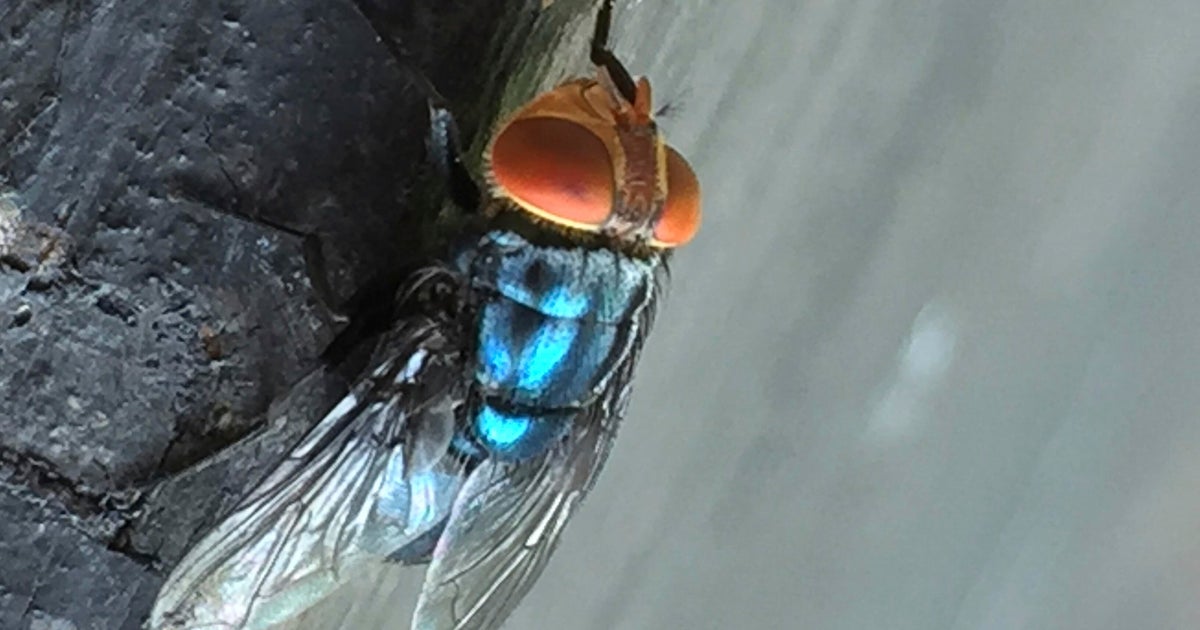
The USDA confirmed detection of New World screwworm larvae in a single 3-week-old calf in Zavala County, Texas. The larvae were identified in the calf's umbilical area; a sample was sent to the USDA's National Veterinary Services Laboratories in Ames, Iowa, for confirmation. The USDA established a 12-mile "infested zone" around the detection site, implemented quarantines, increased trapping along the U.S.–Mexico border, and formed an Incident Command Team with the Texas Animal Health Commission to eradicate the pest. USDA officials noted prior detections in Mexico, including a screwworm found 25 miles from the U.S. border, and reported at least 26,216 screwworm cases identified in Mexico with roughly 2,700 active. The article summarizes that New World screwworm larvae infest open wounds or orifices of warm-blooded animals and feed on living tissue; human cases are rare but have occurred, with a previously reported U.S. human case who recovered. USDA statements emphasize investment in eradication tools and the U.S. track record of defeating the pest.
Biblical Reflection
The immediate public purpose of the article and the USDA response is protection — of animal health, agricultural livelihoods, and, indirectly, human health. Reporting on biological threats can easily provoke fear, and headlines or phrases like "flesh-eating" play to alarm. A Christian reading should affirm the legitimate precautionary measures and scientific expertise being deployed: stewarding creation and protecting neighbors' livelihoods are consistent with biblical care. At the same time, remain attentive to balance — avoid hysteria that harms trust, scapegoats border communities, or distracts from practical support for affected farmers. The piece largely presents verifiable facts and official actions rather than partisan interpretation, but it reflects a worldview that privileges rapid state-led containment and technical fixes. Christians can hold that response in tension with calls for compassion: support humane treatment of animals, care for affected ranch families, and advocate for cross-border cooperation in disease control because pests do not respect political boundaries. Finally, remember that truth-telling matters: precise reporting of scale and risk (single calf, rare human cases) helps the public respond in calm, neighbor-loving ways rather than panic.
Scripture in context
This outlook does not yet include contextual Scripture citations. Do not treat a general biblical theme as an exegetical conclusion.
Faithful Response
No prescribed response is offered. Consider the reflection prompts below in your own church context.
Reflection and Discussion
- 1Does the reporting emphasize worst-case imagery more than the measured facts, and how might that shape public fear or policy pressure?
- 2How does this incident reveal our responsibilities as stewards — toward animals, farmers, and international neighbors who share ecosystems and risks?
- 3Are the responses described (quarantines, traps, incident command) communicated clearly enough to build trust and practical cooperation rather than anxiety?
Sources
Reporting links are evidence inputs; Sanctuary News' biblical reflection is commentary.
This outlook currently relies on fewer than two linked sources. Broaden verification before teaching from it.
- 1.Original reportprimary