News Summary
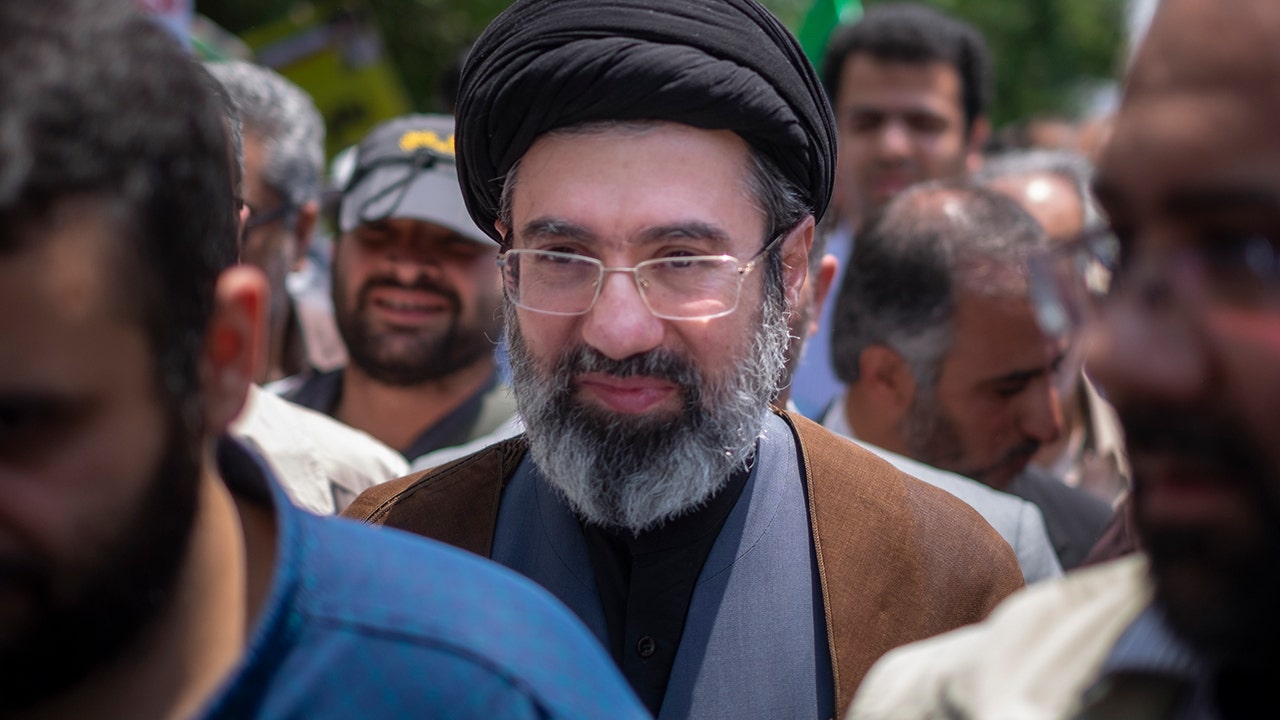
The article reports that Mojtaba Khamenei, son of the late Supreme Leader Ayatollah Ali Khamenei, has been chosen as Iran’s new supreme leader by the country’s Assembly of Experts. Mojtaba, who has a background in both religious and political spheres, is known for his close association with military leaders and significant behind-the-scenes influence. His succession follows the death of his father, reportedly in an Israeli strike, which also killed several high-ranking Iranian officials. Mojtaba had previously been sanctioned by the U.S. for acting in an official capacity without holding a formal government position. The article notes the implications of this leadership transition for Iran's political and military direction, the influence of the Revolutionary Guard, and the broader impacts on international relations, particularly with the U.S. and Israel. President Trump commented on the diminished succession pool within Iran’s leadership due to these recent events.
Biblical Reflection
From a biblical perspective, the transition of power in Iran highlights several recurring themes found in Scripture: the rise and fall of leaders, the dangers of hereditary rule, and the potential for both justice and injustice under earthly authorities. The Bible consistently calls attention to the difference between human kingdoms—often marked by power struggles, intrigue, and oppression—and the peaceable kingdom of God, which is founded on justice, mercy, and humility (Micah 6:8; Isaiah 9:6-7). The consolidation of power within a single family and the use of forceful means to maintain authority stand in contrast to Jesus’ model of servant leadership (Mark 10:42-45). Furthermore, the cycle of violence between nations, such as that between Iran and Israel, underscores humanity's need for reconciliation and peace, as encouraged by the teachings of Christ (Matthew 5:9). Christians are reminded to pray for those in authority (1 Timothy 2:1-2), seek justice, and long for the coming of God's just and righteous reign. While political leaders may shape the course of nations, ultimate hope and salvation are not found in them but in Christ, the true Prince of Peace.
Scripture in context
This outlook does not yet include contextual Scripture citations. Do not treat a general biblical theme as an exegetical conclusion.
Faithful Response
No prescribed response is offered. Consider the reflection prompts below in your own church context.
Reflection and Discussion
- 1How do the actions and motivations of earthly leaders compare with the servant leadership modeled by Jesus?
- 2In what ways can you pray for peace and justice in places of conflict like Iran and Israel?
- 3Where do you place your ultimate hope when faced with instability or uncertainty in world affairs?
Sources
Reporting links are evidence inputs; Sanctuary News' biblical reflection is commentary.
This outlook currently relies on fewer than two linked sources. Broaden verification before teaching from it.
- 1.Original reportprimary