News Summary
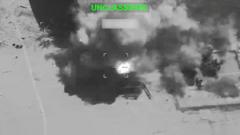
Reported facts: The BBC reports that the US renewed strikes on Iran and that the US president threatened to target a key underground Iranian nuclear site; the threat reportedly preceded the 11th straight night of attacks. Attributions: The descriptions are attributed to the BBC's reporting; the supplied article text does not include named on-the-record statements from US or Iranian officials within the excerpt provided. Uncertainties: The story as supplied lacks specifics about which sites were struck, who carried out the strikes, casualty figures, timestamps, legal or diplomatic context, and corroboration from additional independent sources.
Source and Framing Analysis
Material uncertainties: The supplied BBC excerpt is brief and omits key operational details (actor attribution, casualty counts, precise locations, timelines) and direct on-the-record quotes from named officials. That absence means readers cannot fully verify the sequence, responsibility, or immediate consequences of the reported actions. Framing effects: Phrases like "threatens to attack" and "renewed strikes" emphasize escalation and may heighten perception of imminent large-scale conflict; without corroborating detail, that framing can amplify anxiety and obscure diplomatic or defensive contexts that might explain policymakers' choices.
Biblical Reflection
These reports describe an episode of military escalation between the United States and Iran that carries high risk for wider regional instability and civilian harm. Christians should assess such news through commitments to truth, peacemaking, and care for vulnerable people: verify facts before accepting alarm, lament the prospect of violence, and hold leaders accountable to pursue restraint and just conduct.
The article's framing—linking renewed strikes to an explicit presidential threat to strike an underground nuclear site—signals a posture of military pressure that may be intended to deter but also risks provoking retaliation and broader suffering. Christians can neither cheer escalation nor passively normalize it; instead, we are called to seek truth about what is known, grieve where violence is present, and advocate for policies and diplomacy that minimize harm and pursue justice for civilians caught between state actions.
Practically, the Christian virtues of humility and mercy require resisting simplistic narratives that reduce complex geopolitical decisions to personal bravado or moral victory. We should ask hard questions about proportionality, civilian protection, and the avenues still open for negotiation, remembering that national security and neighbor-love are not mutually exclusive when guided by moral restraint.
Scripture in context
- 1Matthew 5:9 — Within Jesus' Sermon on the Mount, this teaching names peacemakers as blessable and part of the kingdom ethic amid personal and social conflict. — In a context of international violence, this passage calls Christians to pray for, embody, and advocate for peace-making actions—pursuing reconciliation and restraint rather than celebrating escalation.
- 2Romans 12:17-18 — Paul instructs believers on interpersonal ethics—repaying no one evil for evil and, as far as it depends on you, living at peace with everyone—within the early church's call to countercultural love. — Applied to geopolitics, the passage encourages restraint, careful judgment, and prioritizing peaceful relations whenever possible, while not denying the need for justice or protection.
Faithful Response
Pray specifically for civilians in affected regions, for protection for those at risk, and for wisdom for leaders on all sides.
Seek reliable, multiple-source information before forming definitive judgments; avoid spreading unverified claims that escalate fear.
Support charities and churches providing humanitarian relief to civilians affected by the violence and advocate to elected representatives for diplomatic engagement and civilian protection measures.
Reflection and Discussion
- 1How does Scripture direct Christians to balance legitimate concerns for national security with the mandate to seek peace and protect innocents?
- 2What assumptions about strength, honor, or deterrence might be shaping public support for strikes, and how would Jesus' ethic of humility and mercy challenge those assumptions?
- 3In what ways should the church pray for and act on behalf of civilians most likely to suffer from further military escalation?
Sources
Reporting links are evidence inputs; Sanctuary News' biblical reflection is commentary.
This outlook currently relies on fewer than two linked sources. Broaden verification before teaching from it.
Download source notes