News Summary
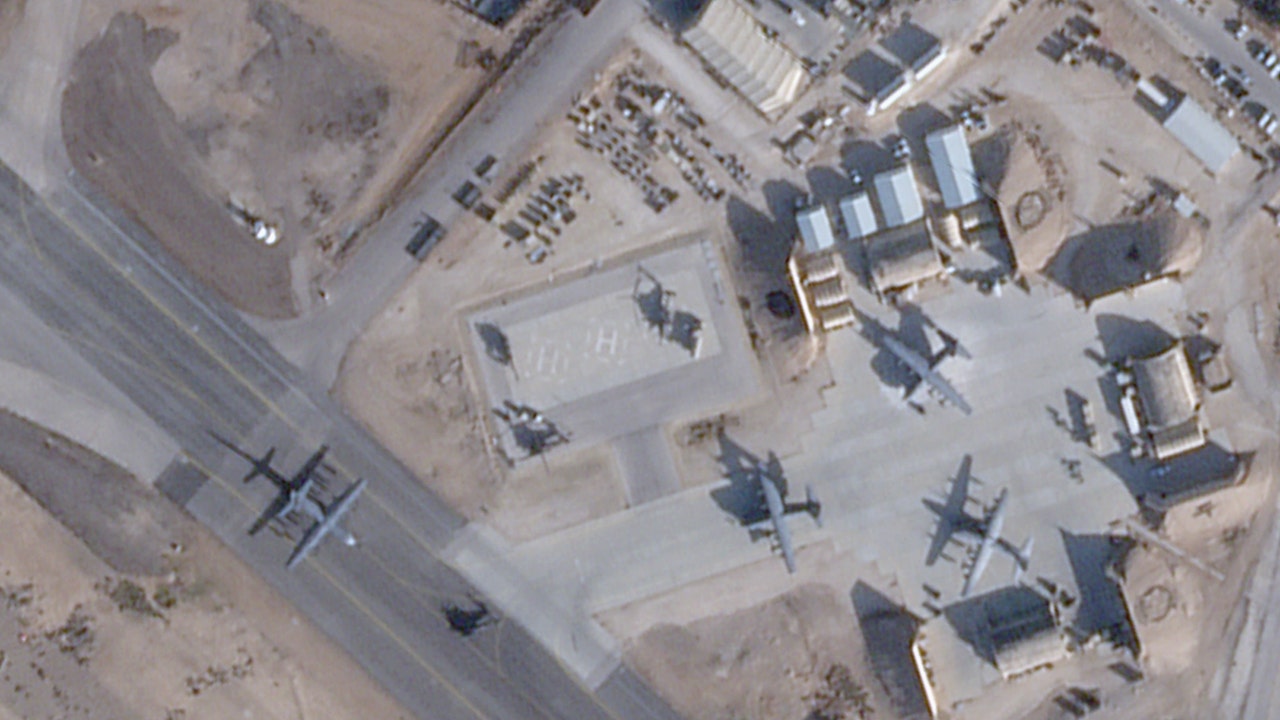
The article details an escalation of U.S. military presence across the Middle East amidst rising tensions with Iran. Originally slated to occur in Istanbul, nuclear talks between the U.S. and Iran have been moved to Oman after lobbying by Arab leaders. The U.S. has deployed aircraft carriers, destroyers, and other military assets to the region, signaling increased readiness but not necessarily an imminent strike. Satellite imagery confirms these deployments at key locations in Jordan and Oman, with assets in place for both strike and search-and-rescue operations. U.S. officials emphasize that talks with Iran must address not only its nuclear ambitions but also its missile program, support for militant groups, and human rights abuses. Recent incidents, such as the downing of an Iranian drone near the USS Abraham Lincoln, underscore the heightened tension and potential for conflict.
Biblical Reflection
From a scriptural perspective, the news reflects humanity’s ongoing struggle with conflict, power, and the pursuit of security through military might. While the Bible acknowledges the reality of nations and authorities (Romans 13:1), it continually calls believers to be peacemakers (Matthew 5:9) and to seek reconciliation over escalation. The focus on military buildup and the threat of violence stands in contrast to Christ’s teachings about loving enemies and praying for those who persecute us (Matthew 5:44). While it is prudent for governments to protect their citizens, Christians are reminded that ultimate security and peace come from God, not from human strength or weaponry (Psalm 20:7). The biblical mandate is to pray for wisdom for leaders (1 Timothy 2:1-2), to advocate for just and peaceful solutions, and to remember the humanity of all parties involved. The shifting of talks to Oman is a hopeful sign that dialogue is still possible; Christians should fervently pray that these negotiations bear the fruit of peace rather than further conflict.
Scripture in context
This outlook does not yet include contextual Scripture citations. Do not treat a general biblical theme as an exegetical conclusion.
Faithful Response
No prescribed response is offered. Consider the reflection prompts below in your own church context.
Reflection and Discussion
- 1How can I, as a follower of Christ, pray for and promote peace in situations of global tension?
- 2Do I place my hope for security in human institutions or in God's ultimate sovereignty?
- 3What practical steps can I take to be a peacemaker in my own spheres of influence?
Sources
Reporting links are evidence inputs; Sanctuary News' biblical reflection is commentary.
This outlook currently relies on fewer than two linked sources. Broaden verification before teaching from it.
- 1.Original reportprimary