News Summary
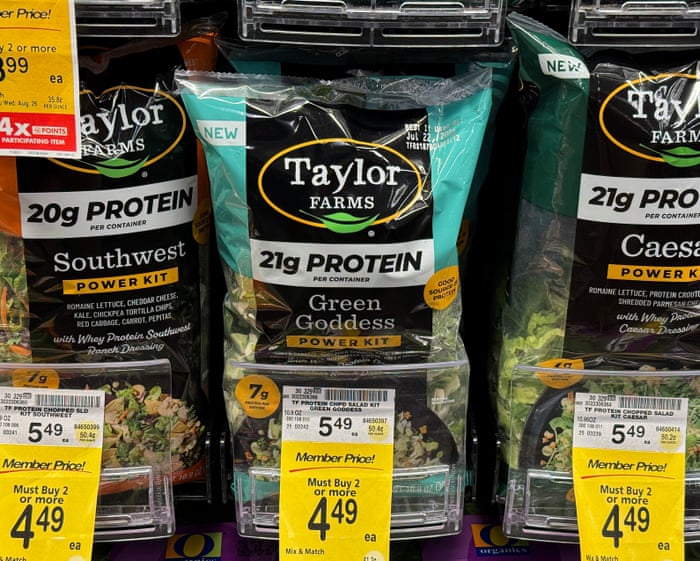
Reported facts: The Guardian reports that CDC data (week of July 24, 2026) show 4,173 laboratory-confirmed domestic cases of cyclosporiasis and roughly 7,400 additional cases under investigation, totaling over 11,500 suspected illnesses, with the investigation spanning nine U.S. states. The article calls this the largest U.S. cyclosporiasis outbreak on record and notes the illness can cause severe diarrheal symptoms. Attributed claims: The Guardian attributes the case numbers to CDC releases. Uncertainties: The article does not identify a confirmed contaminated food item, state-by-state breakdowns, hospitalizations or deaths, or details about how many cases are travel-associated versus domestically acquired.
Source and Framing Analysis
Material uncertainty: the piece relies on CDC case counts but does not present a confirmed source (a contaminated food or supply chain) or clinical severity metrics (hospitalizations, deaths, long-term complications). Framing: descriptive phrases about "explosive diarrhea" and calling it the "largest outbreak on record" emphasize severity; those descriptions are grounded in reporting but can heighten alarm without additional context on case severity or exposure source. The Guardian appears to be relaying CDC data rather than independent field reporting; corroborating CDC primary releases or state health notices would strengthen the factual base.
Biblical Reflection
This report is a reminder that physical health and communal care are important elements of Christian neighbor-love. The facts reported — rising case counts and a multi-state investigation — suggest a public-health problem that requires sober attention, not alarmist rhetoric. Christians should weigh the report against reliable public-health guidance: the accuracy of numbers and the source of illness matter for how communities respond.
The article centers CDC case counts but leaves gaps (for example, the likely contaminated food or supply chain) that shape how Christians should respond practically. Scripture calls us to care for the sick and vulnerable; responding here means supporting accurate information, following health guidance to limit spread, and helping those suffering, especially people with weaker immune systems or limited access to care.
At the same time, Christians should watch for sensational language that heightens fear without adding clarity. Humble, merciful action — offering help, financial or practical support to those ill, and advocating for safe food systems — embodies Christlike love more than panic or partisan use of the story.
Scripture in context
- 1Luke 10:25-37 (Parable of the Good Samaritan) — Jesus tells a story in response to a question about 'neighbor,' showing that mercy and practical care for a wounded stranger, regardless of identity, define neighborly love in his teaching context. — The passage calls Christians to practical, compassionate responses to suffering. In a public-health outbreak, that means supporting those who are ill, practicing behaviors that prevent further harm, and advocating for systems that protect vulnerable people.
Faithful Response
Follow public-health guidance (testing, hygiene, avoiding implicated foods when advised) and encourage others to do the same.
Offer practical care to those suffering (meals, errands, financial help, transportation to medical care) while following infection-prevention recommendations.
Support and pray for public-health workers and policymakers as they investigate and manage the outbreak, and advocate for transparency and food-safety improvements.
Reflection and Discussion
- 1How should love of neighbor shape our information-gathering and sharing during a public-health event?
- 2What practical steps can our community take that show mercy without spreading fear or misinformation?
- 3Are we attentive to the needs of those most at risk (elderly, immunocompromised, food-insecure) in this outbreak?
Sources
Reporting links are evidence inputs; Sanctuary News' biblical reflection is commentary.
This outlook currently relies on fewer than two linked sources. Broaden verification before teaching from it.
- 1.US cyclosporiasis outbreak expands to nine states as CDC investigates over 7,400 casesprimary_reporting