News Summary
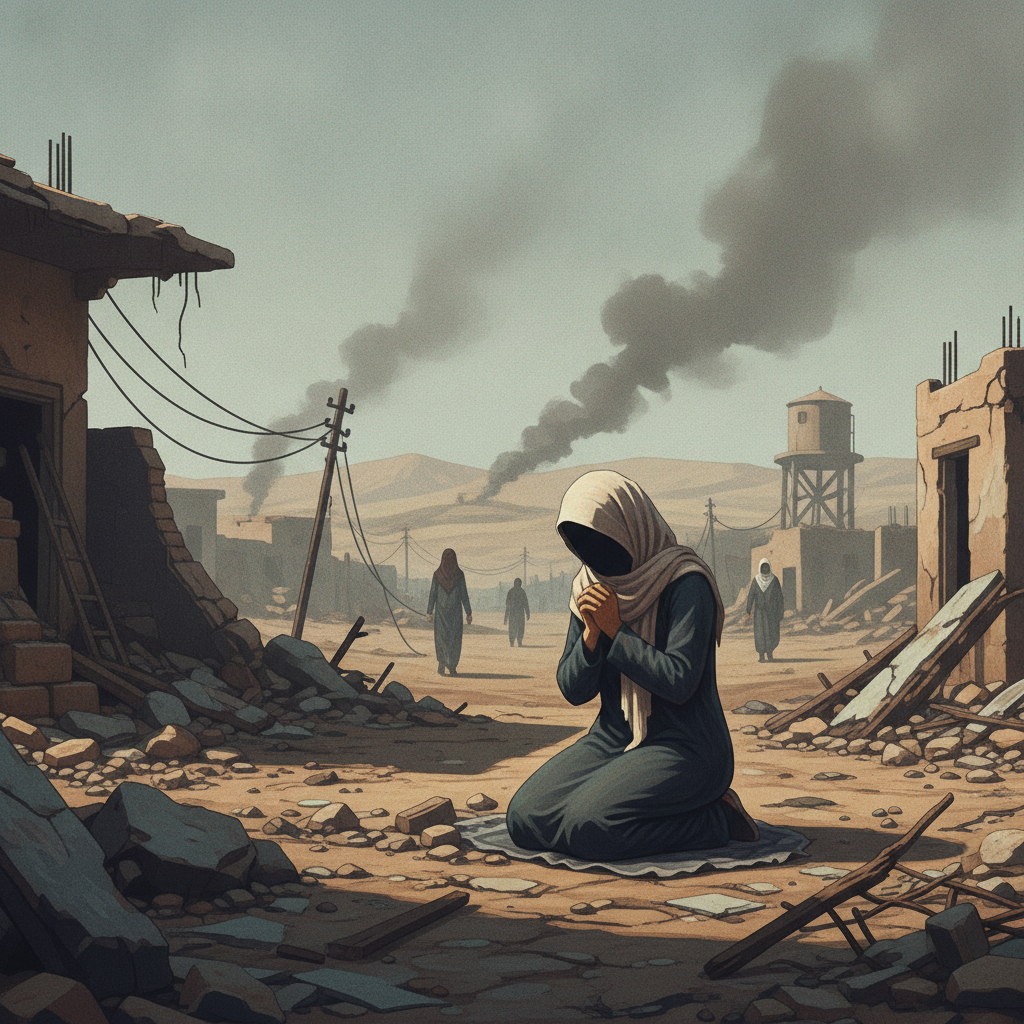
Reported facts: UN News states that the United States and Iran have exchanged deadly attacks for a second week, and the UN has called for de-escalation while highlighting devastation to civilians and critical infrastructure in the Middle East. Attributions: the claims and appeals are presented as UN reporting and statements. Uncertainties: the article does not provide casualty counts, specific locations, timelines of individual strikes, or independent confirmation of responsibility and scale.
Source and Framing Analysis
The story is a brief UN News dispatch with a humanitarian frame: it highlights civilian harm and infrastructure damage and urges de-escalation. Material uncertainties that affect interpretation include the absence of casualty figures, geographic specificity, and corroborating reporting. The framing centers humanitarian consequences rather than strategic or political justifications, which is appropriate for an appeal to protect civilians but limits understanding of military dynamics and accountability.
Biblical Reflection
The article centers the UN's humanitarian concern: violence between state actors is producing civilian harm and infrastructure damage, and the UN urges de-escalation. From a Christian perspective, the report highlights the moral imperative to protect noncombatants, pursue peace, and care for those who suffer. Readers should note the piece is brief and framed through the UN's humanitarian lens—emphasizing human cost over military justification—and so it prompts prayer, measured advocacy for civilians, and support for relief and diplomatic restraint rather than immediate partisan judgment.
Scripture in context
- 1Matthew 5:9 — In the Sermon on the Mount, Jesus presents beatitudes describing the character of those who belong to the kingdom—'peacemakers' are commended within a larger ethic of mercy and righteousness. — This passage calls Christians to pursue reconciliation and peacebuilding even amid conflict; it grounds pastoral responses that prioritize peacemaking, protection of civilians, and nonviolent care for the suffering.
Faithful Response
Pray regularly and specifically for civilians, relief workers, and negotiators seeking de-escalation.
Give to reputable humanitarian organizations providing medical care, shelter, and rebuilding assistance in affected areas.
Avoid amplifying unverified claims; prioritize verified information and compassionate witness over partisan amplification.
Contact legislators or diplomats in a nonpartisan manner urging humane, de-escalatory policies and robust support for civilian protection.
Reflection and Discussion
- 1Where do we see opportunities for the church to act as a channel of mercy rather than rhetoric in this crisis?
- 2How can Christians hold leaders accountable for protecting civilians without reducing complex events to partisan soundbites?
- 3In what ways does this coverage challenge our assumptions about security, retaliation, and neighbor-love?
Sources
Reporting links are evidence inputs; Sanctuary News' biblical reflection is commentary.
This outlook currently relies on fewer than two linked sources. Broaden verification before teaching from it.
- 1.Middle East: Civilians again under fire as US-Iran strikes continueofficial_document