News Summary
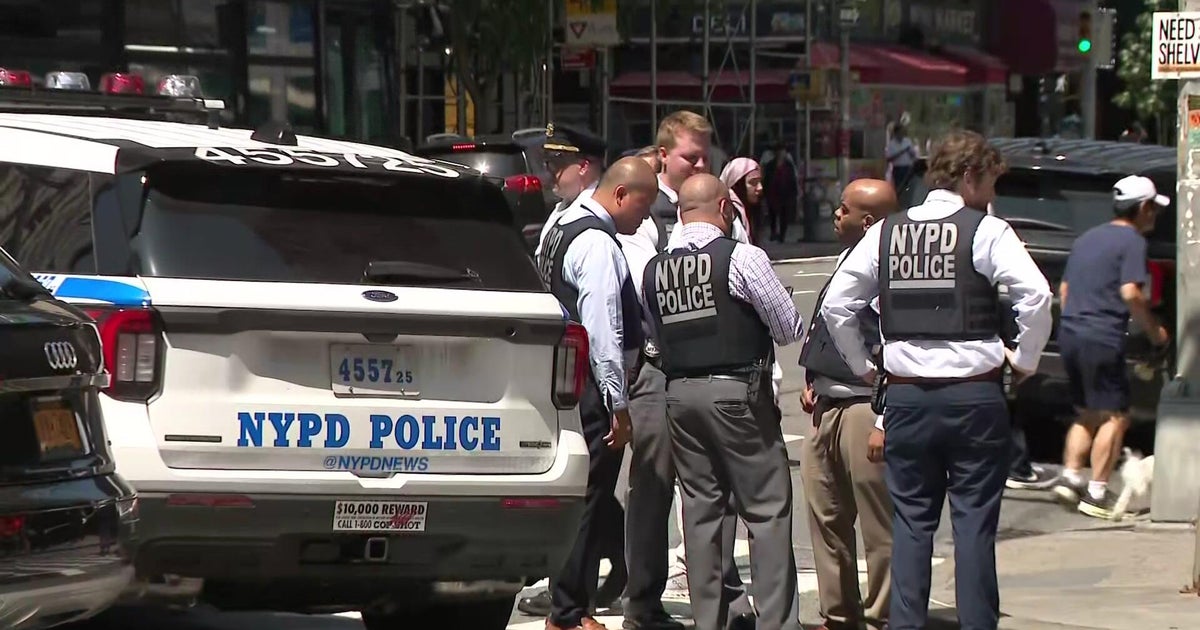
Reported facts: A double stabbing occurred on New York City's Upper West Side on Thursday; a suspect has been charged and faces attempted murder charges that prosecutors have designated as a hate crime, along with other unspecified charges. Attributions and uncertainty: The source is a single news report; the piece provides no suspect or victim names, no medical status for the victims, no detailed account of motive or evidence supporting the hate-crime designation, and no direct quotes from police or prosecutors in the supplied text.
Source and Framing Analysis
The original item is brief and factual but incomplete. The framing emphasizes the hate-crime designation, which is material and increases public interest, but the report lacks corroborating details (charging documents, police statements, or victim information) that would help evaluate the claim. This absence increases uncertainty about motive, the evidence underpinning the hate-crime allegation, and the broader context of the incident.
Biblical Reflection
Violence and hate are moral evils that call for both righteous anger and sober, disciplined action. Scripture calls believers to protect the vulnerable, seek justice, and refrain from repaying evil with evil; these priorities shape how Christians should interpret and respond to reports like this. The allegation of a hate crime heightens the moral stakes: such acts not only harm individuals but also fracture trust between groups and damage communal life.
Christian witness here requires clear-eyed commitments: advocate for thorough, impartial investigation and for victims’ physical, emotional, and spiritual care; speak against hatred of any group while avoiding amplifying unverified claims; and cultivate practices in congregations that address fear, grief, and the impulse toward retribution. Where possible, Christians should be present to neighbors — offering help, standing with those targeted, and working through civic channels to strengthen safety and reconciliation.
Finally, the church must resist simplistic moralizing that treats complex legal processes as settled in the moment of reporting. We can call for justice confidently while exercising mercy and humility, trusting lawful institutions to adjudicate charges and the community to pursue long-term healing.
Scripture in context
- 1Romans 12:17-21 — Paul writes to Christian communities in the Roman Empire about how to live in a hostile social environment, urging believers not to repay evil for evil but to live peaceably and overcome evil with good. — This passage counsels Christians to seek justice without personal vengeance, to protect the vulnerable, and to respond to wrongdoing with remedies that restore rather than escalate harm. It supports praying for those harmed, cooperating with lawful authorities, and modeling non-retaliatory love even while advocating for just accountability.
Faithful Response
Pray specifically for the victims, their families, investigators, and for calm in the neighborhood.
Offer practical assistance: meals, rides to medical care, childcare, or financial help if victims and families are known and request it.
Avoid spreading unconfirmed details on social media; share only verified information and encourage others to do the same.
Advocate for fair legal process—contact local officials if there are safety concerns—and support community efforts that reduce bias and violence (neighborhood watches, interfaith dialogue, violence-prevention programs).
Reflection and Discussion
- 1How does our reading of this report challenge assumptions we might bring about motive, identity, or guilt before full facts are known?
- 2What responsibilities do Christians have to both seek justice and to embody mercy when community fear is rising?
- 3How might our congregation practically support victims and reduce the risk of future bias-motivated violence in our neighborhood?
Sources
Reporting links are evidence inputs; Sanctuary News' biblical reflection is commentary.
This outlook currently relies on fewer than two linked sources. Broaden verification before teaching from it.
- 1.Upper West Side double stabbing suspect facing hate crime chargesprimary_reporting