News Summary
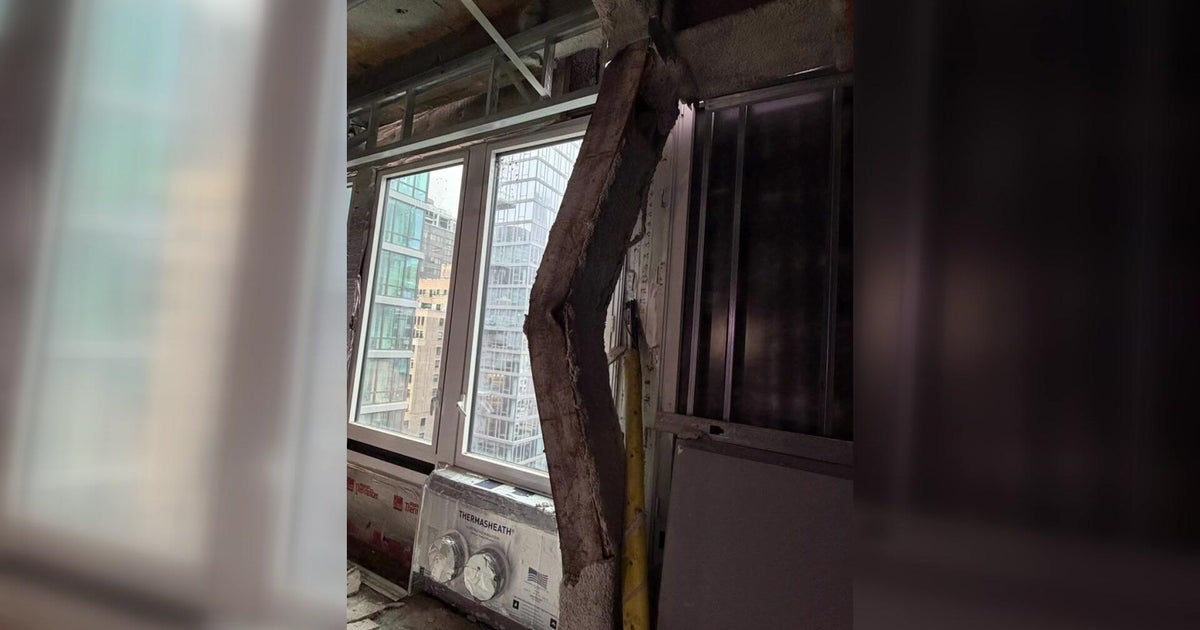
On the morning of July 7, 2026, FDNY responded to reports of falling bricks at 235 East 42nd Street, a 37‑story building in Midtown Manhattan being converted from the former Pfizer headquarters into apartments. When crews arrived they found buckling and sagging floor conditions rather than active falling debris; video showed two columns buckled on the 21st floor and floors sagging between the 21st and 26th floors. Mayor Zohran Mamdani reported additional movement in a compromised column; later, after hours without further movement, emergency crews conducted floor‑by‑floor checks. The Department of Buildings said structural engineers will shore the building with emergency trusses. No injuries were reported and workers were accounted for. A frozen zone and collapse zone were established (40th–45th streets, between First and Third avenues), several nearby buildings and a school of about 400 children were evacuated, and more than 100 businesses were affected. Union representatives alleged insufficient steel and blamed the developer; the developer said the affected area is a small section and emphasized there were no injuries. City records show the contractor received multiple prior violations, fines, and a temporary stop‑work order in 2025. Investigations are expected to determine whether design, construction, oversight, or other failures caused the structural problems.
Biblical Reflection
This incident highlights the moral and practical priority of protecting human life and community wellbeing over profit or speed in development. The immediate reporting mixes verified facts (structural movement, evacuations, prior violations) with allegations (union claims about insufficient steel, developer responsibility) — both are relevant but should be treated differently: verified facts guide emergency response; allegations point to areas for investigation and possible accountability. Christians should note the sectoral pressures here: developers, contractors, regulators, and labor all have incentives that can conflict with safety. The public response — evacuation, engineering shoring, and investigation — shows civic systems functioning to protect people, but repeated prior violations raise questions about enforcement and stewardship. Pastoral concerns include advocating for truth, transparent investigation, justice for any harmed or endangered workers and residents, mercy for those displaced, and communal responsibility to care for evacuees. Guard against quick assignment of blame before investigators report, while still insisting on accountability where negligence is found.
Scripture in context
This outlook does not yet include contextual Scripture citations. Do not treat a general biblical theme as an exegetical conclusion.
Faithful Response
No prescribed response is offered. Consider the reflection prompts below in your own church context.
Reflection and Discussion
- 1What incentives and regulatory gaps might allow construction risks to persist despite prior violations, and how should Christians think about demanding systemic accountability?
- 2Whose voices are emphasized in the reporting (officials, unions, developers) and how might that framing shape our understanding before investigations conclude?
- 3How can local churches and communities practically support displaced workers, businesses, and families in the aftermath of an urban emergency like this?
Sources
Reporting links are evidence inputs; Sanctuary News' biblical reflection is commentary.
This outlook currently relies on fewer than two linked sources. Broaden verification before teaching from it.
- 1.Original reportprimary