News Summary
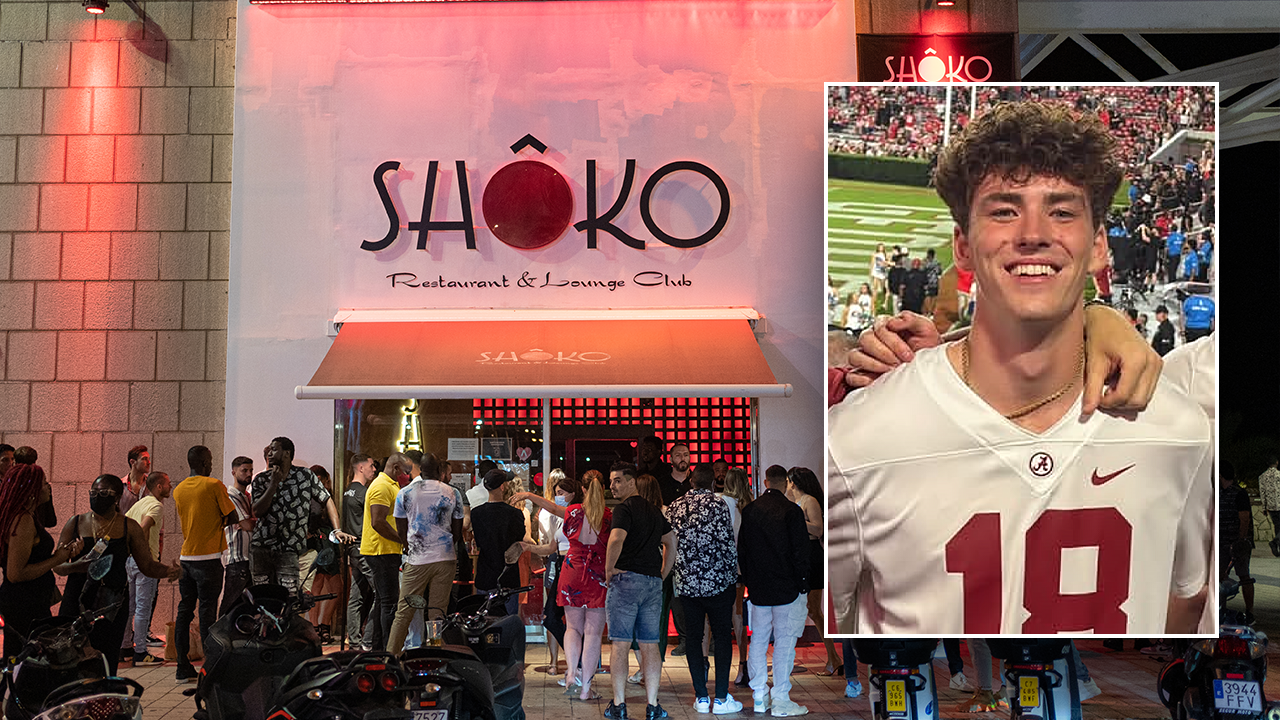
Jimmy Gracey, a 20-year-old University of Alabama student, disappeared in Barcelona on March 17 after visiting the waterfront Shoko restaurant and nightclub. His body was later recovered in the water at Port Olímpic. Spanish authorities are investigating whether Gracey’s death was accidental or the result of foul play and have not ruled out the possibility that he may have been drugged. Retired homicide detective Brian Foley, speaking on Fox & Friends Weekend, described typical investigative steps investigators use in such cases: reviewing toxicology results (which can take several weeks but may yield initial alcohol/toxin indications sooner), examining surveillance footage, and interviewing witnesses. Foley noted that ketamine and ketamine-like drugs can be detected in blood, liver and eyes. Family reports say Gracey was with friends and became separated at the end of the night; his wallet was reportedly found intact. Spanish officials’ competence was addressed by Foley, who said their systems are comparable to those in the U.S. The investigation remains ongoing.
Biblical Reflection
This story raises several biblical and pastoral concerns: the search for truth and justice, the call to compassion for grieving family and friends, and the responsibility of communities to protect vulnerable young people. Scripture repeatedly affirms God’s concern for justice and the vulnerable (e.g., Micah 6:8; Psalm 82:3–4). Christians should therefore support thorough, impartial investigation into a suspicious death, trusting that pursuing facts is not contrary to faith but aligns with God’s concern for truth and right action.
At the same time, the church must resist rush-to-judgment and sensationalism. Jesus’ warning against hypocritical condemnation (Matthew 7:1–5) invites restraint: it is right to seek answers, but unverified accusations can compound harm. Pastoral responses should prioritize comforting the bereaved, praying for investigators and local authorities, and offering practical support to family and peers. The possibility of drugging also points to wider pastoral duties: discipling young people in sobriety and care for one another, creating safe spaces on campuses and in nightlife culture, and addressing social behaviors that put others at risk.
Finally, the community’s spiritual posture should combine mourning with active compassion and pursuit of justice: mourn with those who mourn (Romans 12:15), advocate for transparent investigation, and work to prevent similar tragedies through education, care, and accountability. Christians can model calm, prayerful pursuit of truth while offering mercy to all impacted.
Scripture in context
This outlook does not yet include contextual Scripture citations. Do not treat a general biblical theme as an exegetical conclusion.
Faithful Response
No prescribed response is offered. Consider the reflection prompts below in your own church context.
Reflection and Discussion
- 1How can I pray for and practically support the family and friends of someone harmed while avoiding gossip and premature judgment?
- 2In what ways can my church or campus community help prevent harm to young people in nightlife and social settings?
- 3Am I fostering a posture that seeks truth and justice while also showing mercy and compassion to those affected?
Sources
Reporting links are evidence inputs; Sanctuary News' biblical reflection is commentary.
This outlook currently relies on fewer than two linked sources. Broaden verification before teaching from it.
- 1.Original reportprimary