News Summary
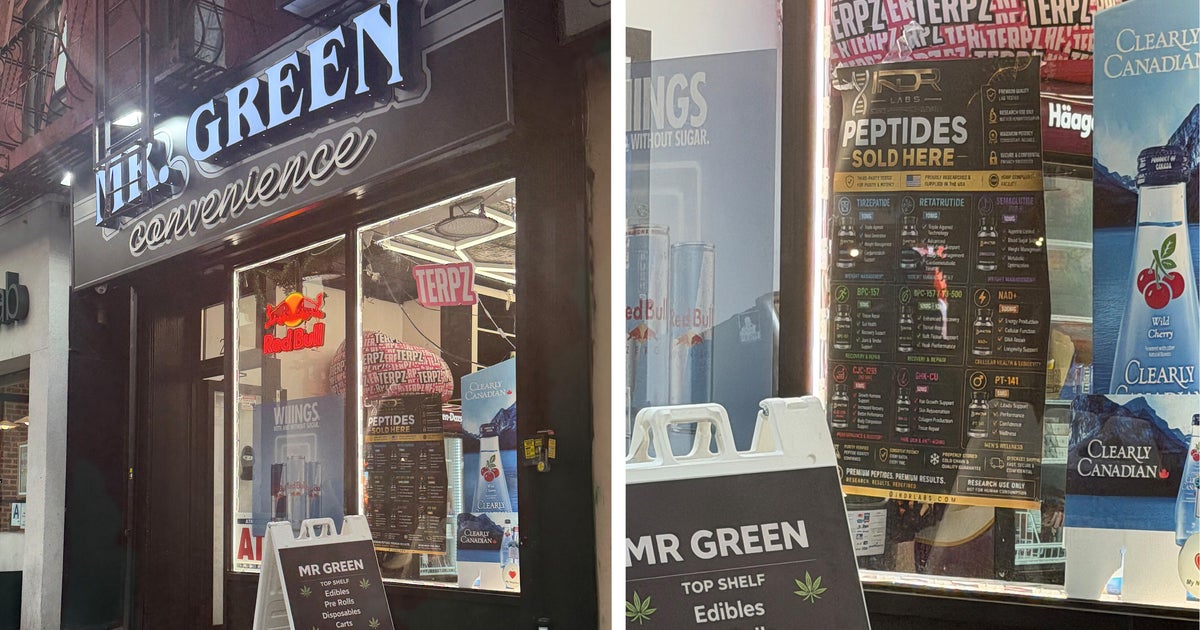
CBS News investigators found vials marketed as retatrutide for sale at multiple Brooklyn bodegas with storefront posters advertising peptides for “weight management.” A reporter purchased a vial for $95 without prescription, age verification, or medical screening. The product bore a label from vendor Indr Labs and a QR code linking to a website that states products are “for research use only.” Certificates of analysis posted online for Indr Labs’ retatrutide contain irregularities (one graph appears to identify tirzepatide) and claim to be from Vanguard Laboratory; Vanguard says those certificates are fake and that it did not issue them. Federal law generally prohibits commercial sales of experimental drugs to the public; the FDA has warned consumers against buying research-grade retatrutide due to unknown quality and potential harm. Eli Lilly, which is developing retatrutide, has urged regulators and law enforcement to act against illicit sellers. Clinical trials show retatrutide may be highly effective for weight loss, fueling online demand; poison control centers and the FDA have received rising reports of adverse events attributed to the drug, some unverified. The FDA has taken limited enforcement actions focusing on sellers that make medical claims for research-marked products.
Biblical Reflection
The article documents a real public-health and regulatory problem: an experimental, unapproved drug being marketed and sold through informal retail channels with falsified documentation. From a Christian perspective, this situation raises concerns about truth, stewardship, and neighbor-love. There is a real human need behind the demand—people seeking relief from obesity and related health burdens—which calls for empathy and better access to safe care. At the same time, profiteering off unproven therapies and using deceptive labels corrodes trust and endangers vulnerable people. The piece is broadly truthful in its reporting of facts, sourcing, and expert views; it highlights both scientific promise (clinical trial results) and clear regulatory failures and illicit behavior. Christians should resist quick-fix narratives and sensational cures, advocate for honest commerce and effective oversight, and press for compassionate, evidence-based healthcare pathways that protect the vulnerable rather than exploit them.
Scripture in context
This outlook does not yet include contextual Scripture citations. Do not treat a general biblical theme as an exegetical conclusion.
Faithful Response
No prescribed response is offered. Consider the reflection prompts below in your own church context.
Reflection and Discussion
- 1What motives are driving sellers, prescribers, and buyers — profit, hope, desperation, or something else — and how should Christians weigh those motives when assessing such products?
- 2How does the desire for immediate bodily transformation challenge our call to wise stewardship of bodies, trust in medical authority, and patience with proper processes?
- 3Which institutions (medical, regulatory, community) are failing to protect the vulnerable here, and how can the church advocate for both justice and accessible, safe care?
Sources
Reporting links are evidence inputs; Sanctuary News' biblical reflection is commentary.
This outlook currently relies on fewer than two linked sources. Broaden verification before teaching from it.
- 1.Original reportprimary