News Summary
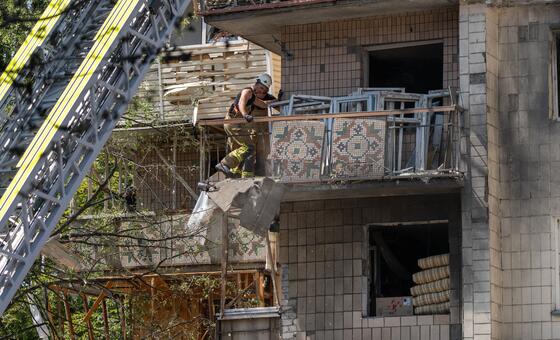
Reported facts: The UN Security Council met at Ukraine's request after recent Russian strikes; an overnight strike on 19 July in Kyiv killed at least one civilian, wounded more than a dozen, and damaged homes and civilian infrastructure; Ukrainian authorities described the assault as among the largest since the invasion began. Attributions/claims: Ukraine's characterization of the attack's scale and intensity is presented as an official assessment. Uncertainties: casualty totals, full geographic scope of all strikes, and independent corroboration of the "largest/intense" comparison were not provided in the single supplied report.
Source and Framing Analysis
The article is a live reporting piece from UN News that primarily relays UN meeting activity and Ukrainian official statements. Key material uncertainties include casualty totals and the comparative claim about the attack's intensity, both presented via Ukrainian authorities rather than independent verification. The live-updates format risks rapid changes to details; readers should treat numbers and qualitative comparisons as provisional until corroborated by multiple sources.
Biblical Reflection
The violence described confronts Christians with both moral clarity and pastoral urgency. Morally, the intentional or foreseeable harm to civilians demands that we name injustice and seek accountability—for the sake of truth and the protection of the innocent. Pastoraly, reports of death and damaged homes call for lament, compassionate presence, and practical aid. Scripture shapes a posture that refuses to celebrate national victory at the expense of civilian lives and that refuses quietism in the face of suffering.
At the same time, exercise caution about definitive judgments when reporting leans on single-party assessments; faithful witness combines honest naming of wrongs with humility about incomplete information. Christians should press for verified facts while advocating for humanitarian access, ceasefire measures that protect noncombatants, and diplomatic avenues that prioritize restoration. Finally, resist narratives that dehumanize entire populations; the gospel summons believers to pray for enemies, seek justice, and work for peace where possible.
Scripture in context
- 1Matthew 5:9 — Part of the Sermon on the Mount, where Jesus outlines the characteristics of those who belong to God's kingdom and the ethic expected of his followers amid social and political realities. — The call to be peacemakers is a summons for Christians to actively pursue reconciliation, protect the vulnerable, and support just practices that reduce violence—work that includes prayer, advocacy, and tangible care for war-affected civilians.
Faithful Response
Pray regularly for civilians, relief workers, and leaders on all sides—naming specific needs and resisting simplistic or dehumanizing language.
Support reputable humanitarian organizations providing medical care, shelter, and evacuation assistance to affected civilians.
Advocate to elected officials and church networks for policies that prioritize civilian protection, humane treatment of refugees, and sustained diplomatic engagement.
Create congregational practices of lament and education: hold prayer vigils, inform the congregation with sober facts, and collect resources for relief efforts.
Reflection and Discussion
- 1How should the command to love our neighbor shape our view of civilians on both sides of a conflict reported in the news?
- 2What does faithful peacemaking look like when political solutions seem slow or ineffective?
- 3How do we hold together truth-telling about wrongdoing and compassion for human beings created in God's image?
Sources
Reporting links are evidence inputs; Sanctuary News' biblical reflection is commentary.
This outlook currently relies on fewer than two linked sources. Broaden verification before teaching from it.
- 1.Security Council LIVE: Briefing on Ukraine as deadly Russian strikes hit cities and portsofficial_document