News Summary
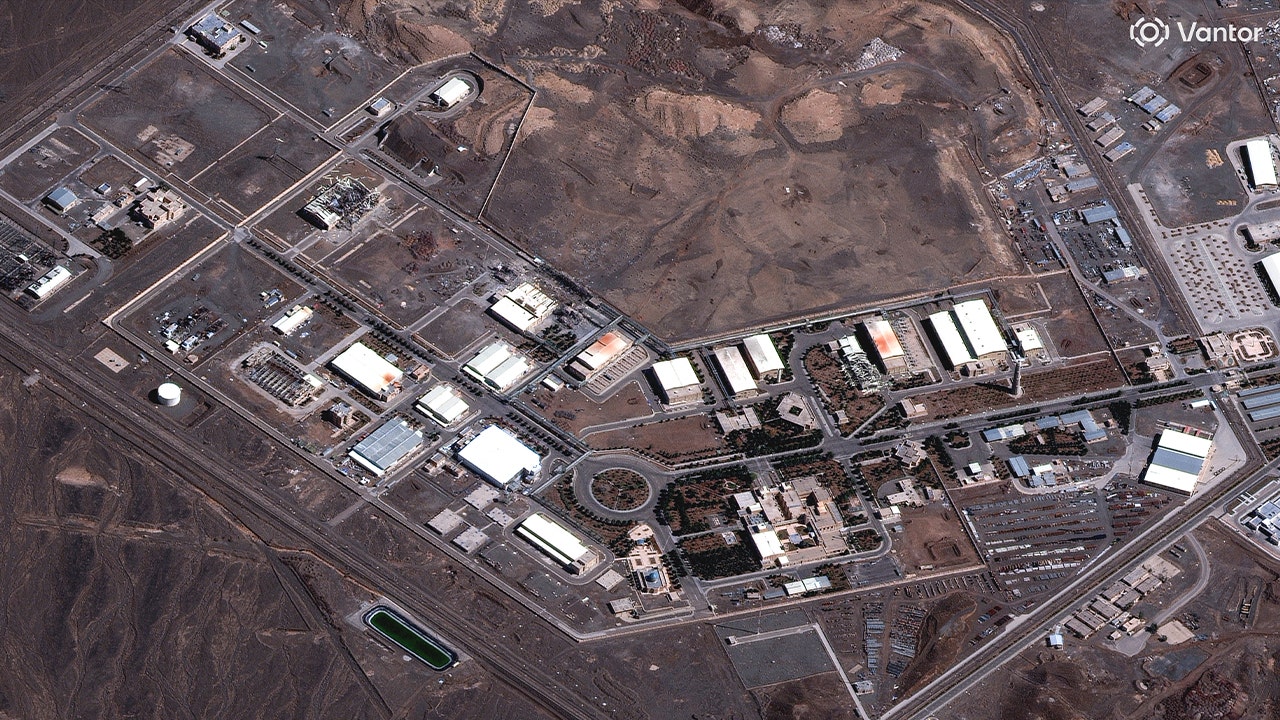
IAEA Director General Rafael Grossi told reporters that while recent U.S. and Israeli strikes have degraded some above-ground facilities and support infrastructure, Iran’s core nuclear capabilities remain largely intact. The agency assesses that much of Iran’s enriched uranium stockpile — including material enriched to 60% — is still in place, with sizable quantities believed to be at Isfahan and smaller amounts at Natanz. Much of the most sensitive infrastructure and storage is buried deep underground or kept in mobile containers, making it difficult to destroy or account for through airstrikes alone. The IAEA has not inspected a newly disclosed underground enrichment site near Isfahan and lacks access to some facilities during the conflict, relying partly on imagery. Experts note that, under ideal conditions, the final step to weapons-grade enrichment could take weeks if material were concentrated, and additional time would be required for weaponization and delivery. Grossi emphasized that military action alone is unlikely to eliminate Iran’s program and said some form of negotiation will be required.
Biblical Reflection
This report highlights the limits of force and the stubborn persistence of danger when root problems are not fully addressed. Scripture does not promise easy solutions to entrenched evil or technical threats; it repeatedly warns about the consequences of trusting violence as the primary means of resolving conflict (Proverbs 20:18; Matthew 26:52). The IAEA’s assessment — that stockpiles and deep, dispersed infrastructure remain — should prompt humility among nations: military action can delay or degrade, but rarely finishes the work of healing a situation built over decades. Biblically, Christians are called both to pray for the protection of the innocent and to pursue justice and peace (Proverbs 31:8–9; Matthew 5:9). That means advocating for wise governance, transparency, and negotiation where possible, while lamenting the suffering war brings. There is also a pastoral imperative to resist triumphalism or vindictive joy at another’s weakening; the gospel calls us to pray for leaders, to seek the welfare of those affected, and to support efforts that reduce risk of further violence and proliferation. In practice this looks like urging accountability, supporting measures that limit access to nuclear materials, and pressing for diplomatic engagement alongside protective measures — remembering that lasting safety is rooted in justice, repentance, and wise stewardship rather than purely in military victory.
Scripture in context
This outlook does not yet include contextual Scripture citations. Do not treat a general biblical theme as an exegetical conclusion.
Faithful Response
No prescribed response is offered. Consider the reflection prompts below in your own church context.
Reflection and Discussion
- 1In light of the limits of military action described here, how can I pray for and support efforts that pursue just and lasting peace?
- 2Where might I be tempted to celebrate the weakening of an enemy, and how does Scripture call me instead to respond?
- 3How should Christians weigh concerns for national security with the biblical call to pursue reconciliation and protection of the vulnerable?
Sources
Reporting links are evidence inputs; Sanctuary News' biblical reflection is commentary.
This outlook currently relies on fewer than two linked sources. Broaden verification before teaching from it.
- 1.Original reportprimary