News Summary
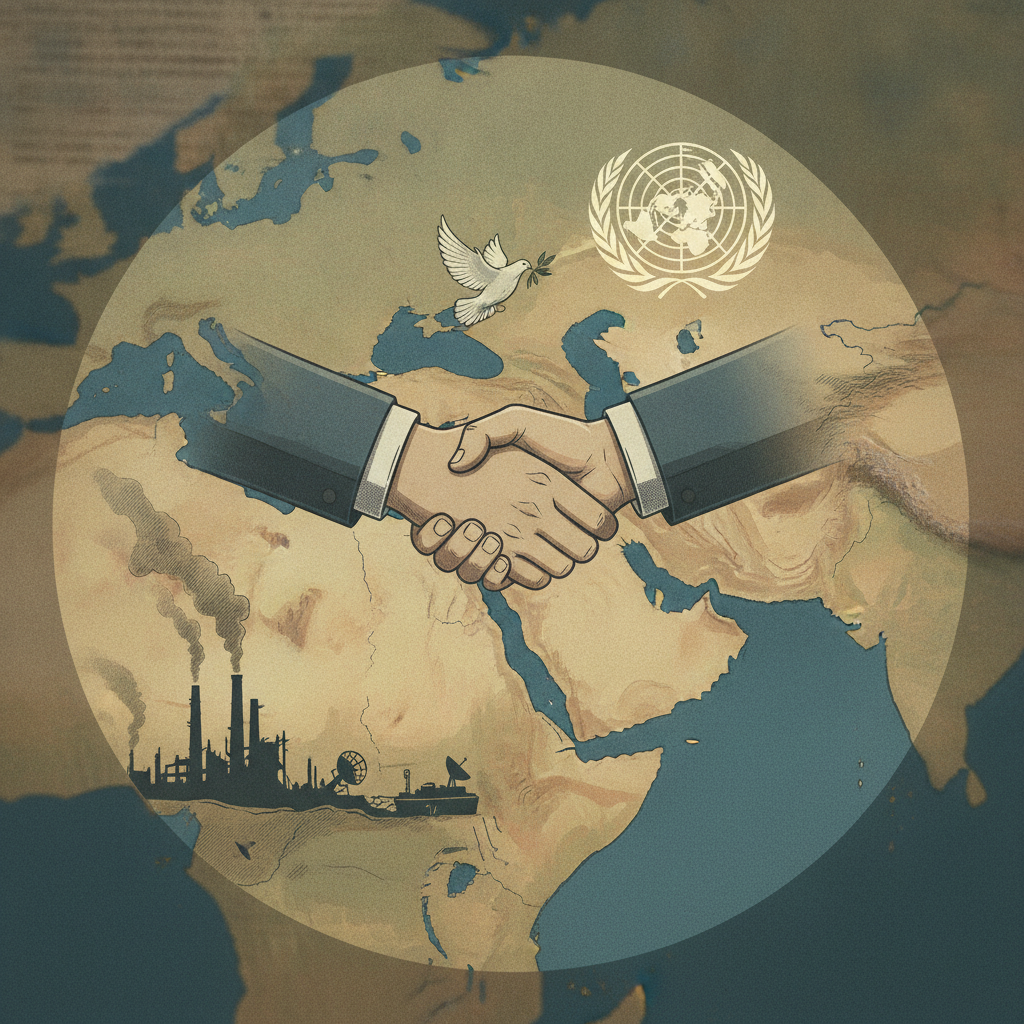
Reported facts: The UN Secretary-General's spokesperson said on Friday that the Secretary-General is deeply concerned about continuing deadly military escalation between Iran and the United States and that attacks have destroyed key civilian and military infrastructure across the Gulf region; the UN chief called for renewed diplomatic efforts. Attributed claims: the characterization of the situation as a 'deadly military escalation' and the description of 'key civilian and military infrastructure' being destroyed are reported by the UN spokesperson. Uncertainties: the article does not specify which attacks (dates, perpetrators), casualty numbers, precise locations, or the immediate triggers for the escalation; independent corroboration and fuller details are required.
Source and Framing Analysis
Source role: This item is primary reporting from UN News, relaying statements by the UN Secretary-General's office. Missing voices: the article does not quote affected civilians, independent local authorities, regional governments, the U.S. government, or Iranian officials; it also lacks independent verification by on-the-ground reporters. Incentives and framing: UN News typically amplifies statements from the UN Secretariat, emphasizing humanitarian and diplomatic concerns; the brief format prioritizes the UN's call for diplomacy rather than a detailed investigative account. Disputed or uncertain claims: attribution for the attacks, casualty counts, and the sequence of events are not provided and require verification from additional independent sources.
Biblical Reflection
The UN's call for diplomacy reflects a truth-centered and humane response to violent escalation: prioritizing protection of civilians, seeking nonviolent dispute resolution, and urging restraint by all parties. The reporting is brief and does not provide detailed attribution about who carried out specific strikes, casualty figures, or the immediate causes of the latest attacks — gaps that can allow fear, recrimination, and dehumanizing narratives to grow. As Christians, we should affirm efforts to protect the vulnerable, urge truth and accountability, and resist narratives that normalize revenge. At the same time, pastoral wisdom requires caution: avoid assuming full understanding from a short dispatch, remain open to verified facts as they emerge, and work for peace without becoming complicit in misinformation or partisan rhetoric.
Scripture in context
- 1Matthew 5:9 — In the Sermon on the Mount, Jesus pronounces blessings on those who embody the values of the kingdom of heaven; 'peacemakers' are singled out as blessed and as children of God within a broader ethical teaching about humility, mercy, and righteousness. — This passage calls Christians to active peacemaking — not mere avoidance of conflict, but courageous work to reconcile parties, protect the vulnerable, and pursue justice in ways that reflect God's character.
Faithful Response
1) Pray specifically for civilians affected and for leaders on all sides to seek de-escalation; 2) Seek reliable, corroborated information before forming or sharing judgments; 3) Support reputable humanitarian organizations assisting civilians in the Gulf region; 4) Advocate for diplomatic channels and policies that prioritize civilian protection and humanitarian access.
Reflection and Discussion
- 1Which sources are being quoted and which are missing in this report, and how would the missing sources change our understanding?
- 2What concrete signs would I look for to verify claims about responsibility for the attacks or the humanitarian impact?
- 3How might partisan frames or religious identity shape how different audiences receive this news?
Sources
Reporting links are evidence inputs; Sanctuary News' biblical reflection is commentary.
This outlook currently relies on fewer than two linked sources. Broaden verification before teaching from it.
- 1.US-Iran war: UN chief calls for new diplomatic push following attacks on civilian areasofficial_document