News Summary
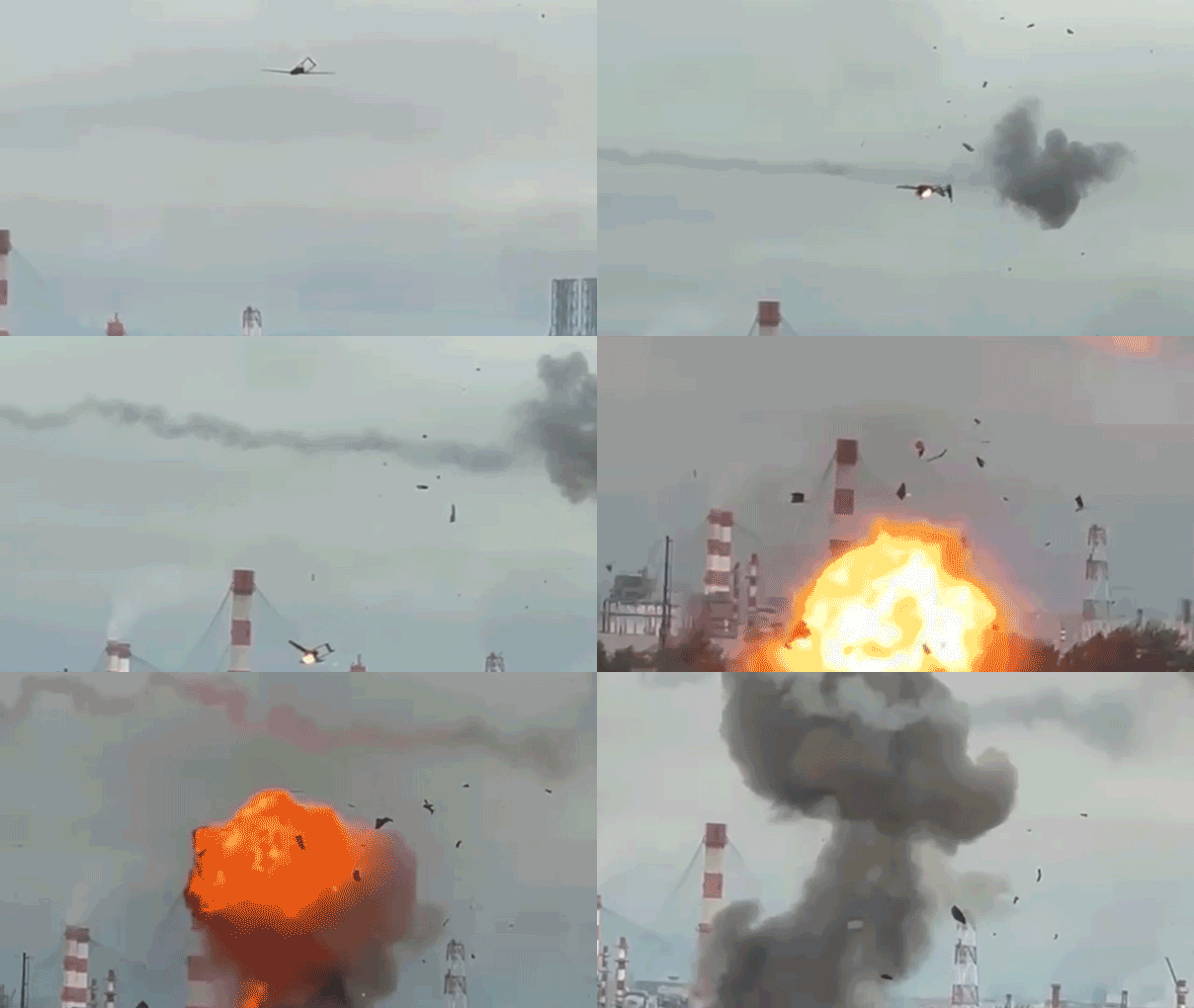
On June 18, 2026, Ukraine launched a large drone attack on Moscow that struck the Kapotnya oil refinery and other targets, producing flames and thick black smoke over parts of the city. Russian authorities reported that air defenses intercepted many incoming drones; Moscow’s mayor said more than 130 drones were shot down near the city, while Russia’s Defense Ministry claimed 550 drones were intercepted across several regions. Videos circulated online showing fires at the Kapotnya refinery; this was the second reported strike on that site within three days. Russian officials reported operational disruptions including temporary airport suspensions, traffic restrictions, nearby property damage, and 16 injuries in the broader attack, while East2West said security was tightened around the Kremlin. Ukrainian officials framed deep strikes into Russia as efforts to weaken Moscow’s war-sustaining infrastructure and isolate supply routes to occupied Crimea. Independent verification of many battlefield claims (numbers of drones intercepted, exact damage extent) is limited; Reuters contributed reporting to the story.
Biblical Reflection
From a Christian pastoral perspective, this report highlights the tragic moral complexity of modern warfare. Targeting an oil refinery that supplies a large portion of a city's fuel market is a strategic move that can degrade an opponent’s war capacity, but it also directly affects civilian life — transport, heating, medical logistics, and livelihoods — producing fear and suffering among noncombatants. News coverage mixes verified facts (videos, official statements) with contested battlefield claims and political rhetoric; readers should be cautious about accepting interception tallies and victory claims at face value, since both sides have incentives to shape the narrative. Biblically, we are called to pursue truth, protect the vulnerable, and seek peace. The article reveals a worldview that treats strategic effect and deterrence as primary goods while downplaying civilian harm and escalation risks. Christians should lament the human cost, refuse easy dehumanization of the other side, and press leaders for restraint, accurate information, and measures that prioritize civilian protection and humanitarian access. At the same time, calling out injustice and aggression is not incompatible with praying and working for a just peace that addresses wrongs without multiplying suffering.
Scripture in context
This outlook does not yet include contextual Scripture citations. Do not treat a general biblical theme as an exegetical conclusion.
Faithful Response
No prescribed response is offered. Consider the reflection prompts below in your own church context.
Reflection and Discussion
- 1Which claims in this report are independently verified, and whose interests are served by the different figures and descriptions being publicized?
- 2How should Christians weigh the military logic of targeting infrastructure against the likely civilian harm such strikes cause?
- 3Does public focus on strategic effectiveness risk normalizing escalation, and how can we advocate for truthful reporting and restraint?
Sources
Reporting links are evidence inputs; Sanctuary News' biblical reflection is commentary.
This outlook currently relies on fewer than two linked sources. Broaden verification before teaching from it.
- 1.Original reportprimary