News Summary
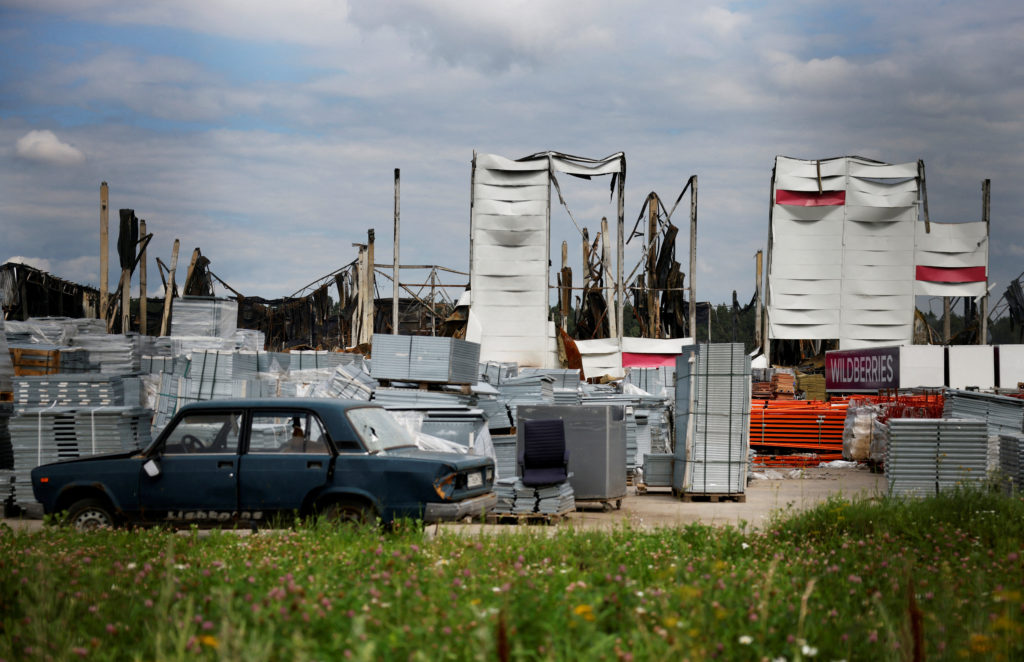
Reported facts: The PBS NewsHour article reports that Ukrainian strikes hit large warehouse facilities in Russia used by Wildberries, producing large fires and visible pillars of black smoke. Attributed claims: The piece links the damage to harm to small businesses that use the platform and describes the strikes as 'bringing the war home' to Russian consumers and sellers. Uncertainties: The supplied article excerpt does not provide independent confirmation of strike attribution, casualty or loss figures, detailed economic estimates, or statements from Wildberries, affected sellers, or official Russian or Ukrainian sources.
Source and Framing Analysis
The article uses vivid visual language and a consumer-technology analogy (comparing Wildberries to Amazon) to make the impact more relatable to readers. Those choices increase emotional resonance but do not substitute for detailed evidence about scale, attribution, or economic losses. Material uncertainties include attribution of the strikes (how conclusively they were linked to Ukrainian forces in the report), the scale of losses to small businesses, and responses from the company or affected individuals. These gaps affect how definitive readers should treat claims about responsibility and economic harm.
Biblical Reflection
This report highlights the painful overlap of military objectives and civilian economic life. From a Christian perspective, the image of commerce and livelihoods engulfed by war raises questions about the proportionality of military tactics and the moral cost borne by noncombatants. The article's framing draws attention to human vulnerability—small sellers who depend on online marketplaces, employees, and local communities affected by destroyed property.
At the same time, the report relies on striking imagery and analogies (Wildberries as "equivalent of Amazon") that shape how readers feel about the events; those choices invite believers to hold both truth and mercy in tension. Christians are called to seek truth about responsibility and consequences, to mourn losses, and to pray for noncombatants caught between states. Pursuing justice in such situations means advocating for protection of civilians and accountability for actions that disproportionately harm them.
Practically, this story should sharpen Christian concern for the neighbor across conflict lines—those who lose livelihoods and stability—and encourage careful discernment of reporting that uses dramatic images to make moral claims. Where facts are uncertain, humility and a commitment to verified information should guide our public responses and pastoral care.
Scripture in context
- 1Matthew 5:9 — Part of the Sermon on the Mount, where Jesus addresses discipleship ethics—blessings for those who seek righteousness, mercy, and peace amid conflict and social pressures. — The passage calls Christians to pursue peace and reconciliation; applied here, it urges concern for civilians harmed by war, active peacemaking where possible, and resisting narratives that celebrate harm to noncombatants.
Faithful Response
Pray for the civilians and small entrepreneurs affected by the strikes and for leaders to seek avenues that limit civilian harm.
Support or volunteer with reputable relief organizations that assist displaced workers or small-business owners in conflict-affected areas.
Exercise charity in public conversation—avoid amplifying unverified claims and prioritize sources that document harm and attribution carefully.
Reflection and Discussion
- 1How does awareness of civilian economic harm change the way we evaluate military actions and policy choices?
- 2When news uses familiar consumer analogies to describe foreign companies, how should that affect our empathy and judgment?
- 3What concrete steps should Christians press for to reduce civilian suffering in conflicts that disrupt commerce and livelihoods?
Sources
Reporting links are evidence inputs; Sanctuary News' biblical reflection is commentary.
This outlook currently relies on fewer than two linked sources. Broaden verification before teaching from it.
- 1.Ukraine hits Russia's largest online marketplace, hurting small businesses and bringing the war homeprimary_reporting