News Summary
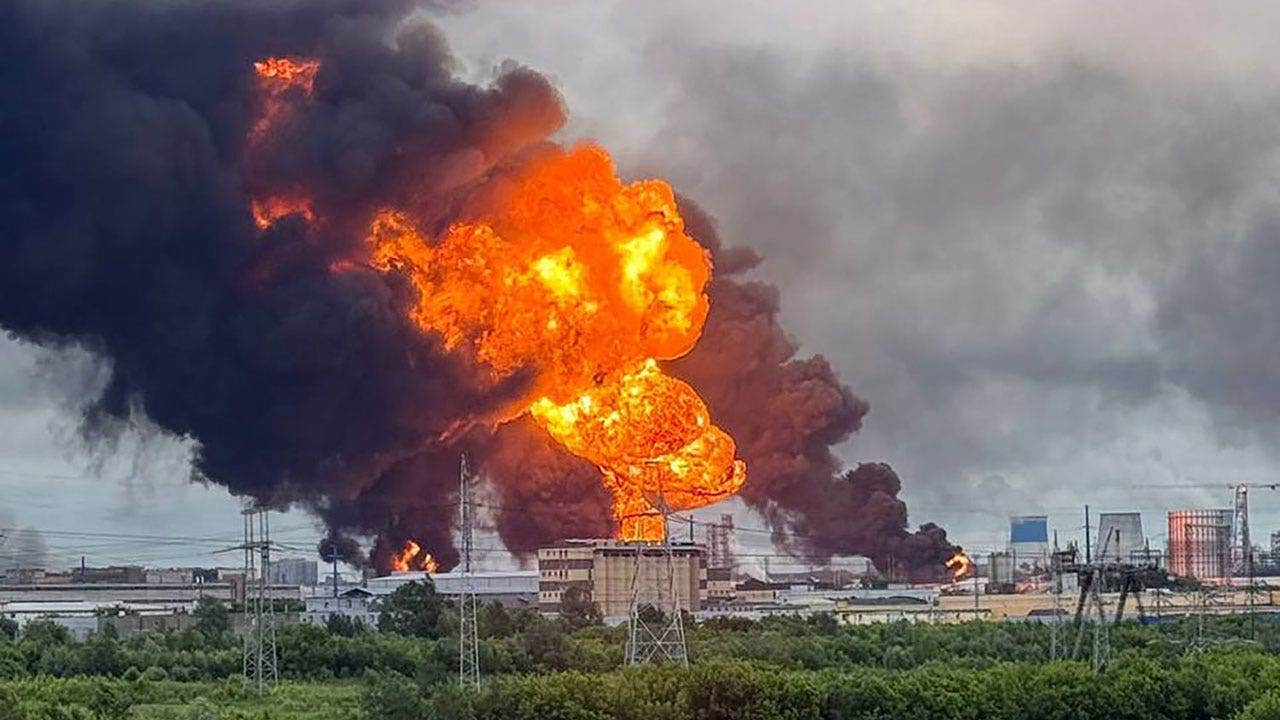
This is an opinion piece by Chuck DeVore arguing that Ukraine’s large-scale use of AI-enhanced drones and long-range cruise missiles has severely degraded Russian logistics and fuel production in the southern theater, including strikes on fuel convoys, ammunition trucks, rail hubs, bridges, refineries and some military electronics facilities. The author claims these interdictions have produced fuel shortages, rationing and operational strain for Russian forces, and that Ukrainian strikes have extended into the Black Sea and beyond against Russian tankers involved in sanction evasion. The piece contrasts Russian strikes on Ukrainian civilians with Ukraine’s targeted strikes on Russian military and industrial nodes, and likens Russian terror strikes to historical indiscriminate bombing. DeVore warns that cheap, massed drones pose a significant threat to U.S. naval assets, air bases, power grids and ports, and urges urgent U.S. investment in layered counter-drone systems, hardened infrastructure, and decentralized innovation (referencing the Trump administration’s proposed ‘‘Golden Dome’’ initiative). The article frames these points to argue for increased defense spending and rapid organizational change in the U.S. military and Congress.
Biblical Reflection
From a Christian pastoral perspective, the article raises real strategic questions but is an opinion piece shaped by a pro-defense, security-first worldview that emphasizes deterrence and military innovation. Some factual claims (e.g., percentages of processing capacity lost, the exact operational impact inside Russian logistics) may be based on selective or unverified reports and should be checked against independent sources. The piece rightly condemns attacks on civilians and recognizes the courage of those defending against aggression, but it also celebrates military effectiveness in ways that understate the likely civilian collateral effects inside Russia (food, fuel, and economic hardship) and the broader moral costs of escalation. As Christians we must hold both truths together: the legitimate need to protect the innocent and deter aggression, and the obligation to seek mercy for all who suffer in war, including noncombatants on both sides. The editorial impulse toward rapid militarization and centralized ‘‘fixes’’ carries risks of overconfidence and neglects diplomatic, humanitarian, and moral responsibilities. Practically, the article’s call for preparedness and prudent defense aligns with stewardship of community and life, but it should be tempered by humility, independent verification of claims, concern for civilian welfare, and sustained pursuit of peace where possible.
Scripture in context
This outlook does not yet include contextual Scripture citations. Do not treat a general biblical theme as an exegetical conclusion.
Faithful Response
No prescribed response is offered. Consider the reflection prompts below in your own church context.
Reflection and Discussion
- 1Which claims in this piece are verifiable reporting and which are opinionive inferences that need independent confirmation?
- 2How does celebrating military effectiveness interact with our responsibility to care for civilians who suffer unintended consequences of attacks on infrastructure?
- 3Does the article assume that faster, more decentralized militarization is the default good, and what moral or practical limits should Christians insist upon?
Sources
Reporting links are evidence inputs; Sanctuary News' biblical reflection is commentary.
This outlook currently relies on fewer than two linked sources. Broaden verification before teaching from it.
- 1.Original reportprimary